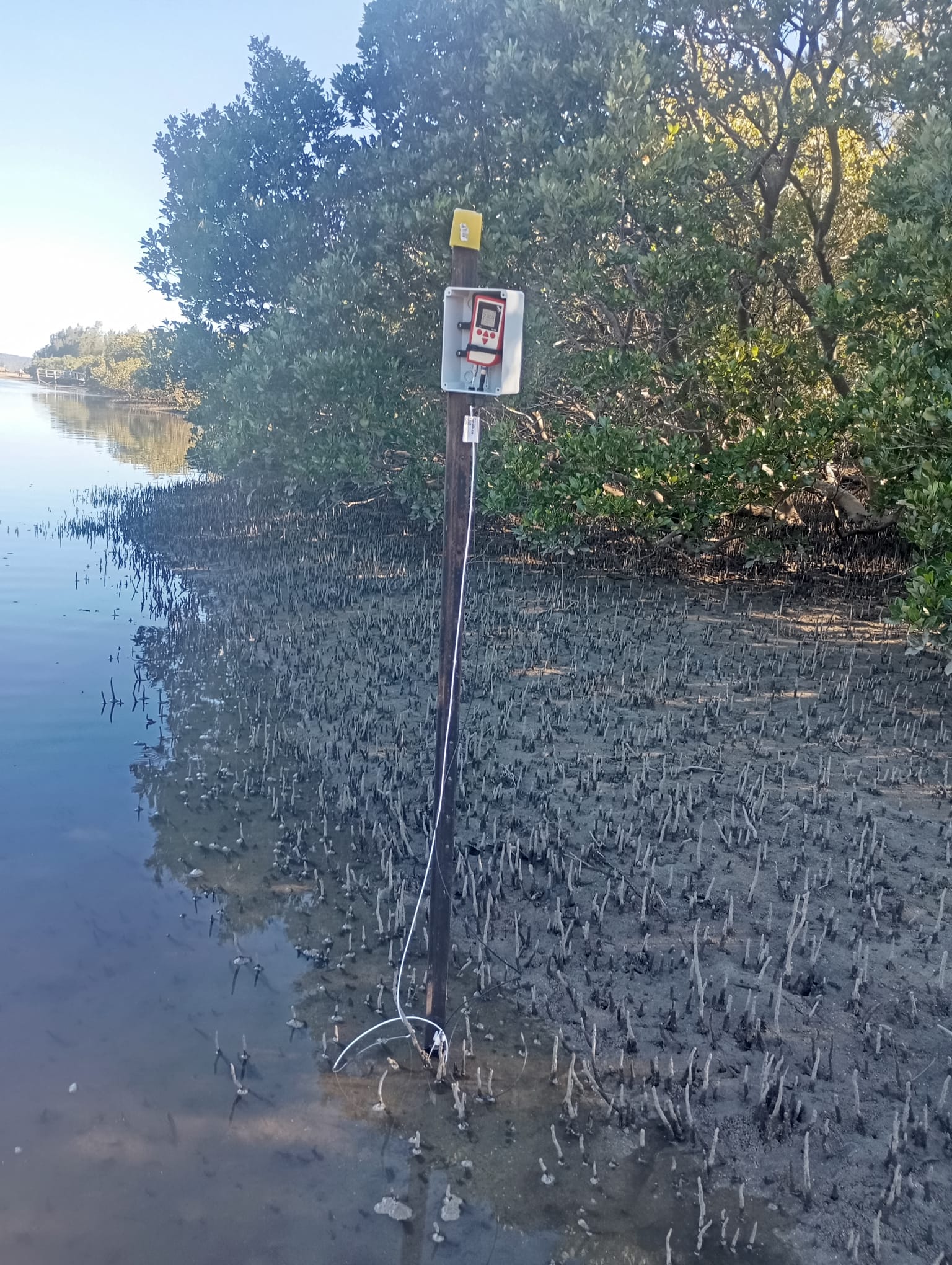
In New South Wales, mangrove forests are dominated by Avicennia Marina (the grey mangrove). Mangroves are increasingly recognised for their capacity to stabilise shorelines, sequester carbon, and attenuate wave energy. These ecosystem services are influenced by their physical attributes. However, not all grey mangroves are equal.
Past research from our team has highlighted how adult grey mangroves in estuaries with regular tidal regimes, like drowned river valleys (DRVs), are larger and less variable than in estuaries that are more constrained by entrance closures (e.g. barrier estuaries and intermittently closed and open estuaries (IOCEs)). These results demonstrate the significance of considering estuarine dynamics when developing mangrove models and management and climate adaptation strategies. However, research gaps remain regarding how and why these traits vary for grey mangrove seedlings and saplings. These lifecycle stages are crucial for predicting the trajectory of the mangrove forest and their ecosystem service potential.
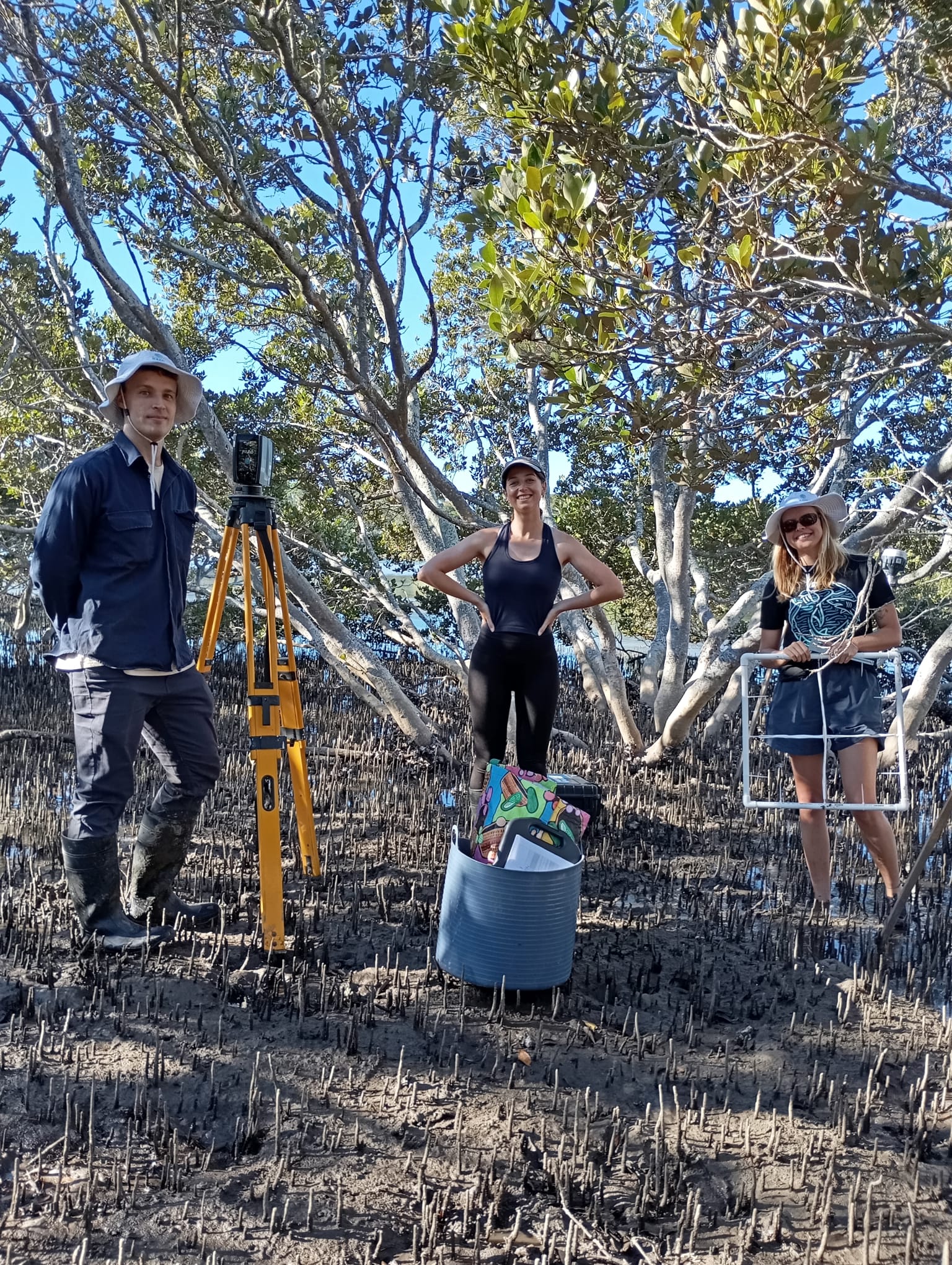
To address these research gaps, a team from UNSW Sydney recently conducted fieldwork along the south coast of New South Wales to investigate mangrove structure across unique estuary typologies. This fieldwork combined terrestrial LiDAR scanning techniques, allowing high-resolution mapping of forest structure over large areas, with in-situ measurements to validate LiDAR-derived data. The fieldwork was carried out by Research Associate Tom Dunlop and PhD candidates Emma Handley, Giulia Fiantanese and Sarah Wells.
Structural differences in grey mangroves have been linked to the extended periods of submergence caused by varying tidal regimes. However, the physical processes that cause this physiological adaptation are not well understood. Grey mangroves possess specialised structures known as pneumatophores, which protrude from the sediment and facilitate oxygen uptake during inundation. Oxygen is then transported through horizontal structures, referred to as cable roots, and distributed to finer roots.
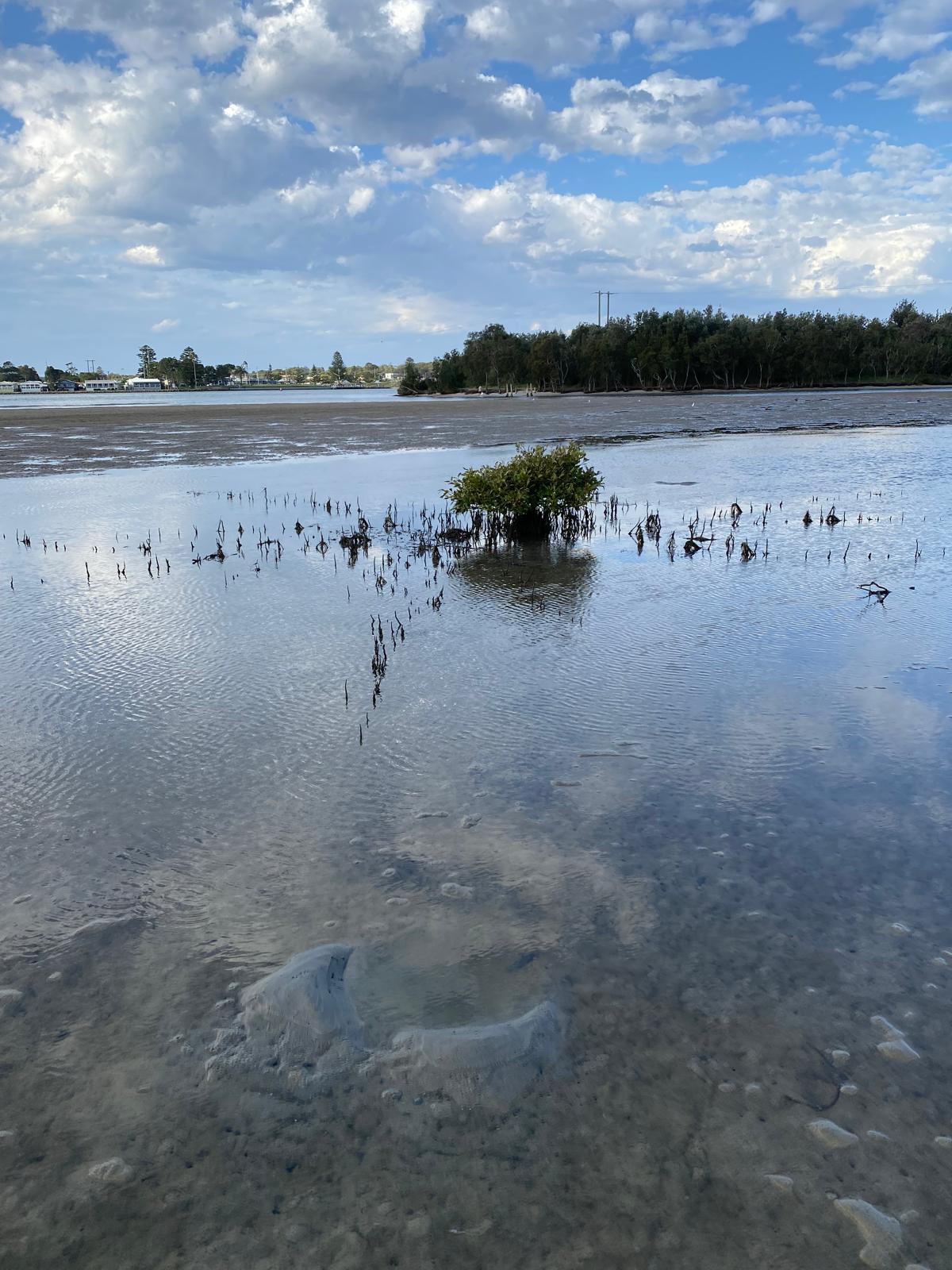
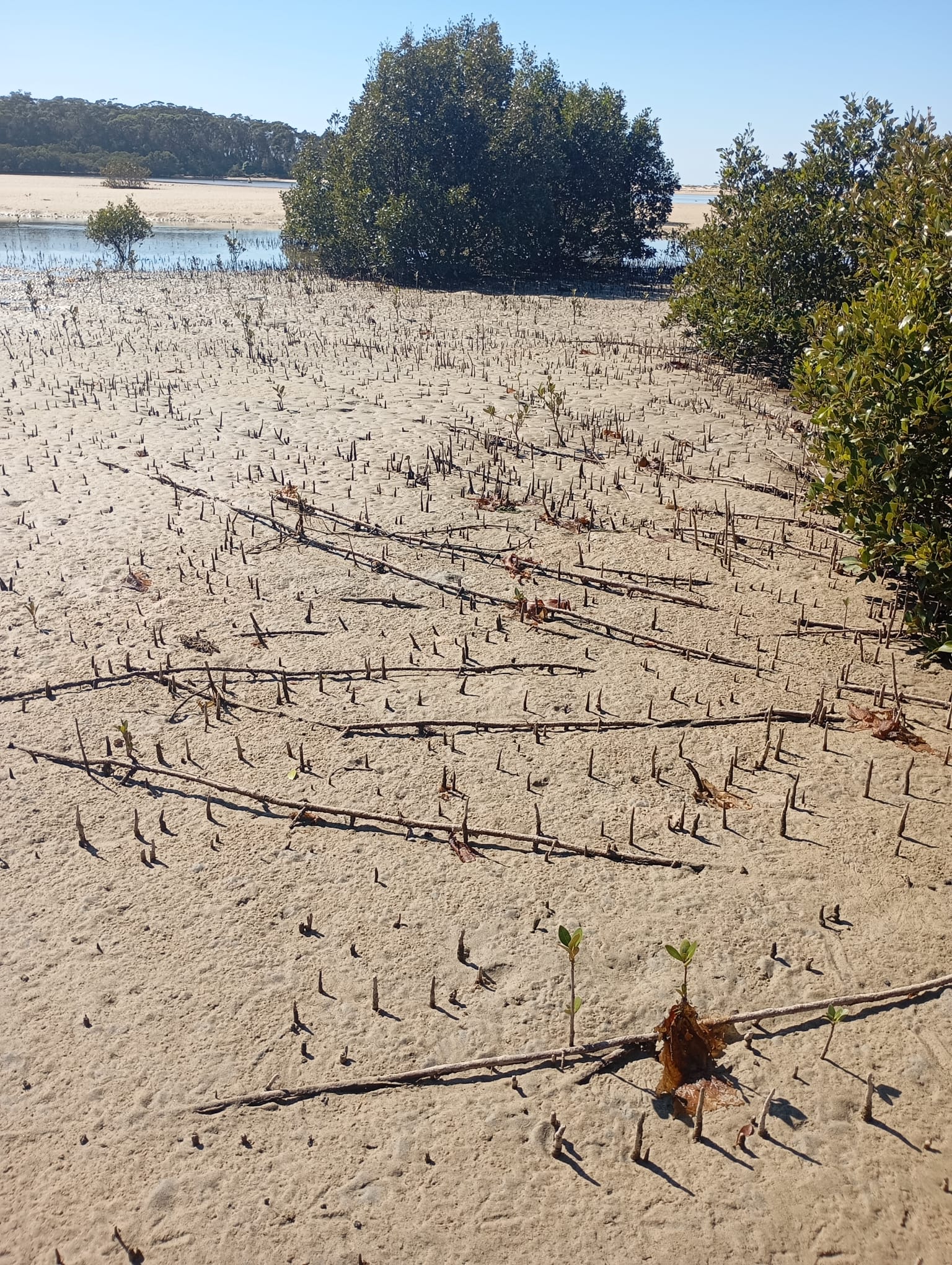
Giulia Fiantanese is investigating this process by measuring oxygen concentrations within these structures over tidal cycles using oxygen meters and insertable probes embedded within plant tissues. Data collected during this field campaign will contribute to her research by providing new insights into the internal oxygen dynamics of mangroves. Combined with trait-based measurements, these data will help define thresholds for morphological responses under different tidal regimes.