
Project Halo was proud to participate in the Pacific Innovation Forum for Climate and Environment (PIFCE) in Port Vila, Vanuatu, from 1–4 July 2026, where we showcased our work on collaborative nature-based solutions through an exhibition booth and a dedicated workshop.
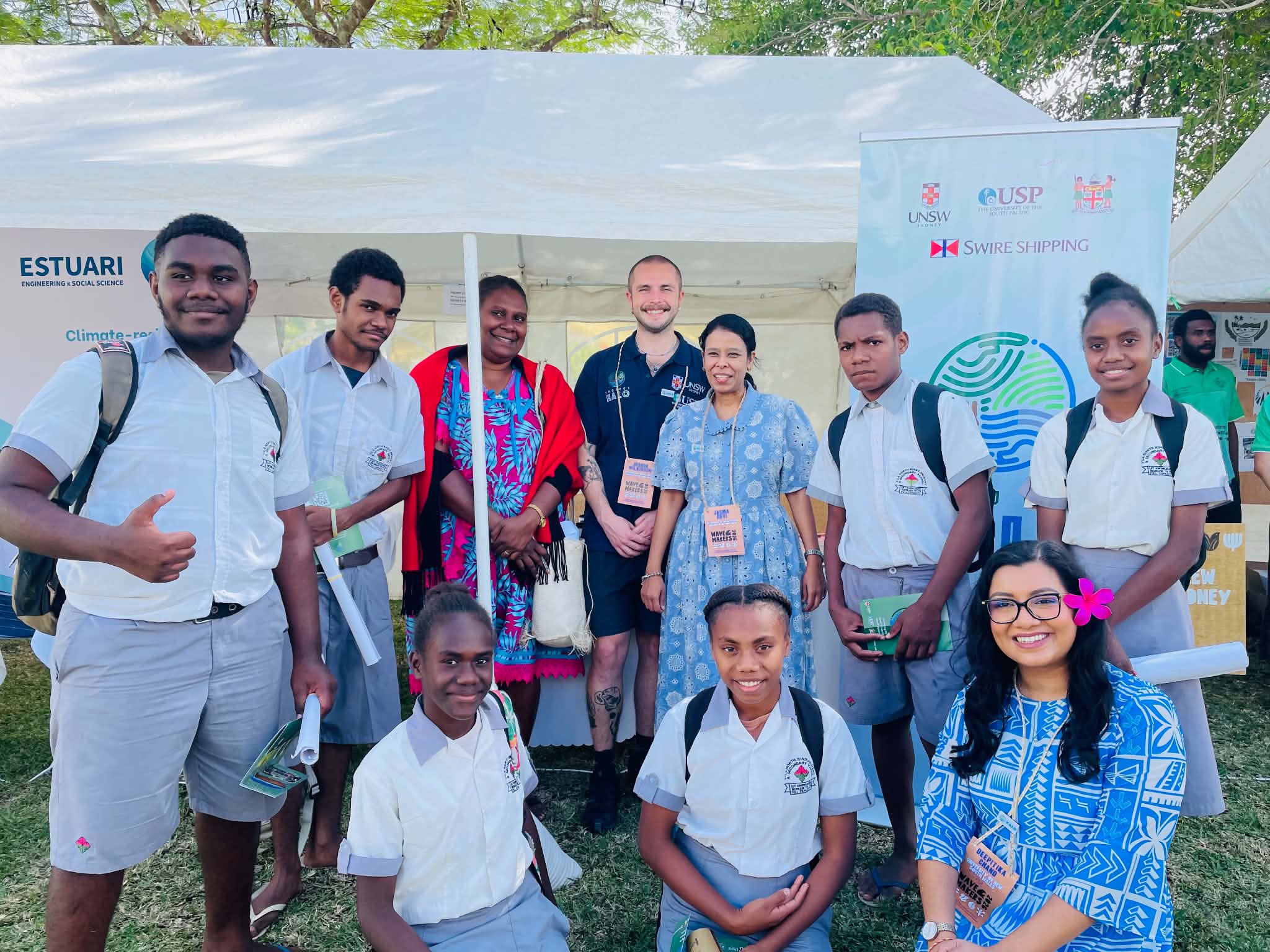
Throughout the forum, our booth welcomed an overwhelming number of visitors, including conference delegates, students, community members, civil society organizations, government representatives and development partners. It was encouraging to see such strong interest in Project Halo’s work and to engage in meaningful conversations about nature-based solutions for the Pacific.
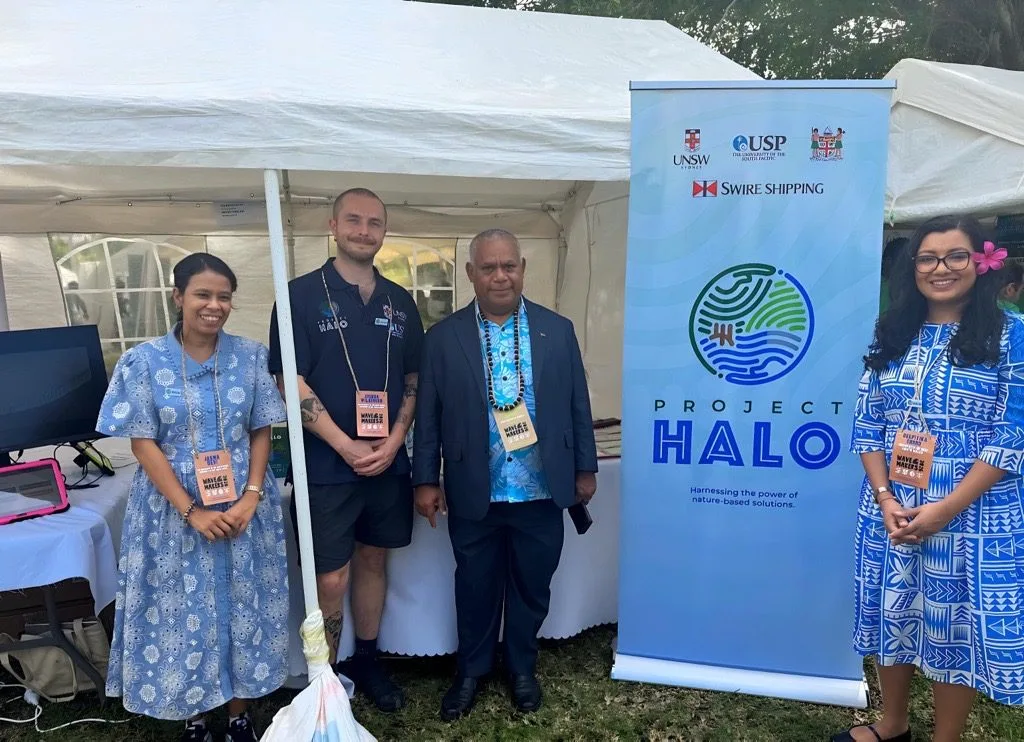
We were especially honoured to welcome The Honourable Jotham Napat, Prime Minister of Vanuatu, and The Honourable Ralph Regenvanu, Minister for Climate Change Adaptation, Energy, Environment, Meteorology, Geo-Hazards and Disaster Management. Their visit provided an excellent opportunity to discuss coastal resilience, the blue economy and the importance of nature-based solutions in improving the lives and livelihoods of Pacific communities.
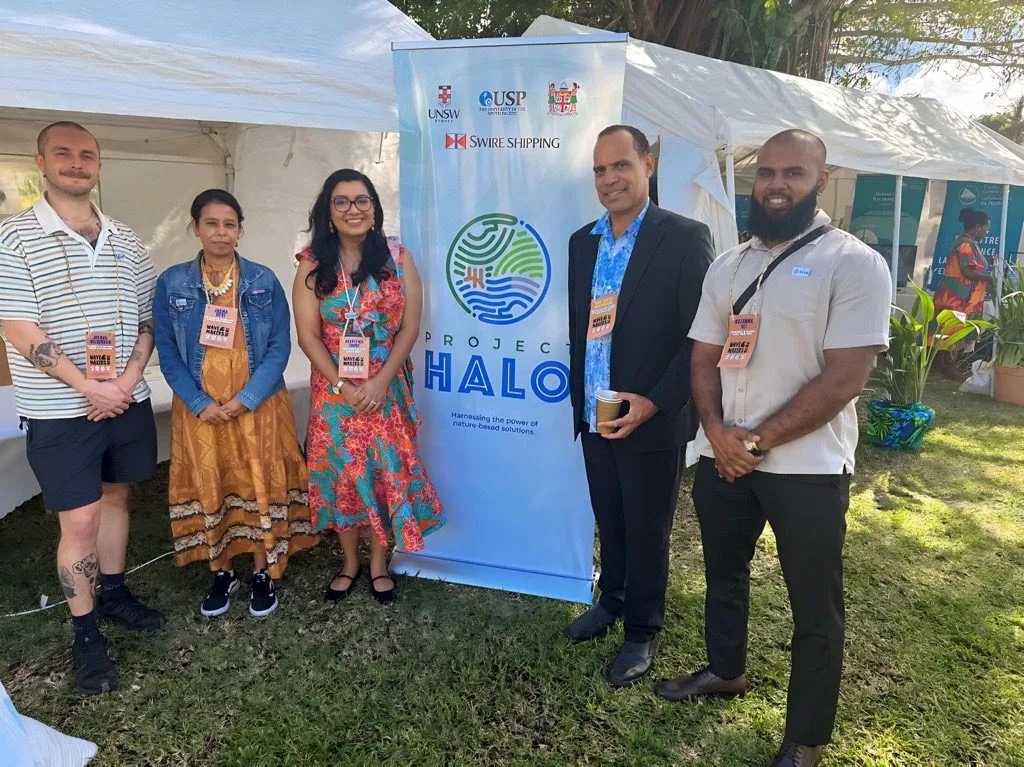
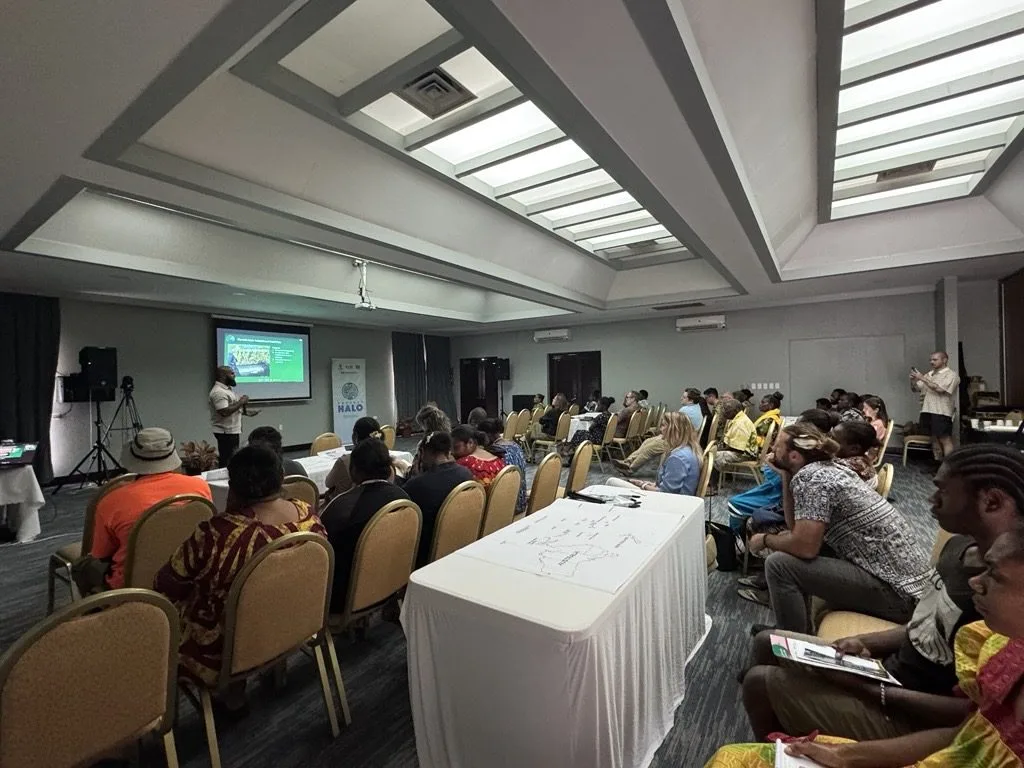
In our workshop, Project Halo: Harnessing Nature-based Solutions and the Blue Economy to Improve Lives and Livelihoods in Urban and Rural Pacific Communities, we shared Project Halo’s work on tidal restoration of degraded lands, community-led approaches, and Mangrove Integrated Coastal Infrastructure (MICI), while engaging in meaningful discussions and learning from participants’ experiences and perspectives. The workshop brought together a diverse cross-section of stakeholders, with strong representation from community leaders, government agencies, NGOs, academia, regional and international organizations, and development partners, fostering knowledge exchange and strengthening opportunities for collaboration across the Pacific.
One of the highlights of the forum was listening to the stories shared by participants about community-led mangrove protection and restoration. Hearing their lived experiences, local knowledge and commitment to caring for coastal ecosystems reinforced the importance of collaboration and knowledge sharing across the Pacific. Project Halo shares these values of working together at the local level and we are appreciative for the support we have of the project in Fijian communities and across the Pacific.
We sincerely thank the organizers of PIFCE for hosting such a valuable event and everyone who visited the Project Halo booth and attended our workshop. We also thank our Project Halo partners, the Government of Fiji, Swire Shipping, The Pacific Community (SPC), UNESCO, and the researchers from UNSW and the University of the South Pacific for their continued collaboration and support.