
March 4th was all about diving into the data grind. Mornings? Straight-up transcribing those Focus Group Discussions (FGDs). You know, turning hours of chatter into neat notes that actually make sense. By afternoon, though, we needed a break. So, we laced up and took this epic long walk, just soaking in the serene beauty of nature around us. The mangroves whispering in the breeze, birds calling out. It was pure reset for the soul.
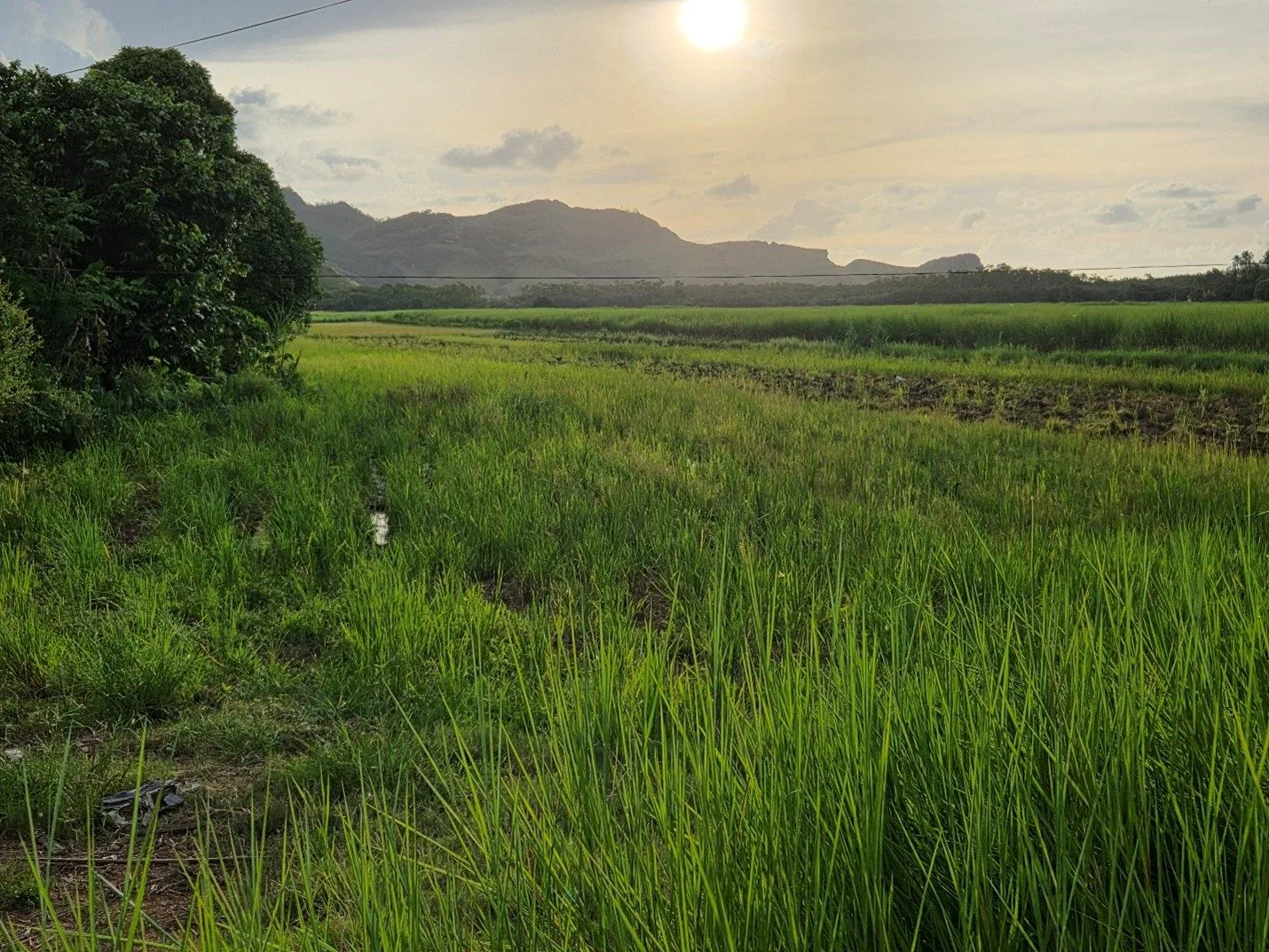
Back at the homestay, we packed our bags buzzing with excitement for the next spot near Labasa town. As I hit the bed that night, I couldn’t help but reflect on the whole journey from day one. With solid prep and smart execution, we’d powered through multiple hiccups, rain delays, tricky logistics, you name it and still nailed the work on time. Those long 10–12-hour days and sleepless nights? Totally worth it. Fruitful, even. We crashed out looking forward to what was next.
Fast-forward to Friday, March 6th. We rolled up to our Airbnb, and since Epeli had been an absolute rockstar, hardworking and reliable, I figured he deserved a breather. He headed off for three days with his family in Labasa, while I hunkered down at the Airbnb for two days. Rested up, crunched more data, and prepped like crazy for the upcoming site. Come Sunday, it was time: I arrived at my next homestay with this lovely family in Tuatua, Labasa. Talk about welcoming vibes! And the food? Divine. South Indian cuisine is my absolute fave, and I was treated to it for all three meals, dosas, curries, the works. Epeli showed up late evening, ready to roll.
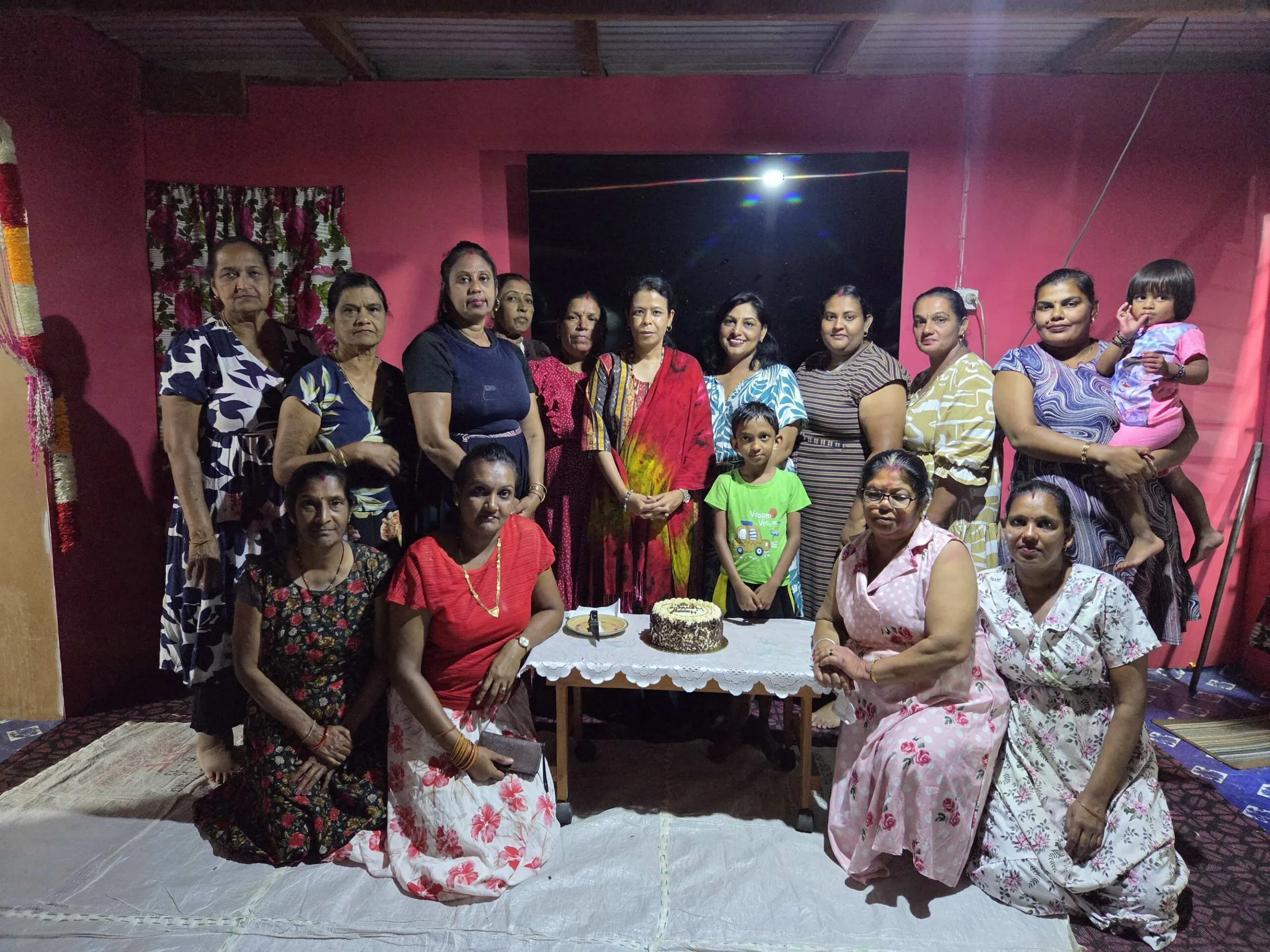
Then March 8th hit, and I got this awesome invite to Wailevu Tiri for International Women’s Day celebrations. I headed over in the evening, and wow; what a night! Surrounded by these powerful ladies from the village, sharing stories, laughing, it felt like instant family. We talked mangroves, community strength, and how they’re leading the charge on climate stuff right there in their backyard. One aunty pulled me aside and said, “Sis, you’re one of us now, keep fighting for this land!” I left feeling so empowered and thankful to be a woman in this space. Driving back to the homestay, I was chatting to myself like, “Jasma, you’ve got this. These women? Icons. Tomorrow’s gonna be gold.”
Relieved and buzzing, I hit the bed. Next morning, March 9th, the plan was locked: head to Wailevu village for household surveys and FGDs.
Wailevu Village Wrap-Up
March 9th and 10th were fully dedicated to fieldwork in Wailevu village. We got advice to wrap up surveys and FGDs in just two days, Thursday had a funeral coming, so Wednesday would be all about preparations. Even with that big event looming, the Turaga ni Koro stepped up big time to help us. It was tight, but we made it work.
Monday, March 9th: Sevusevu and Survey Sprint
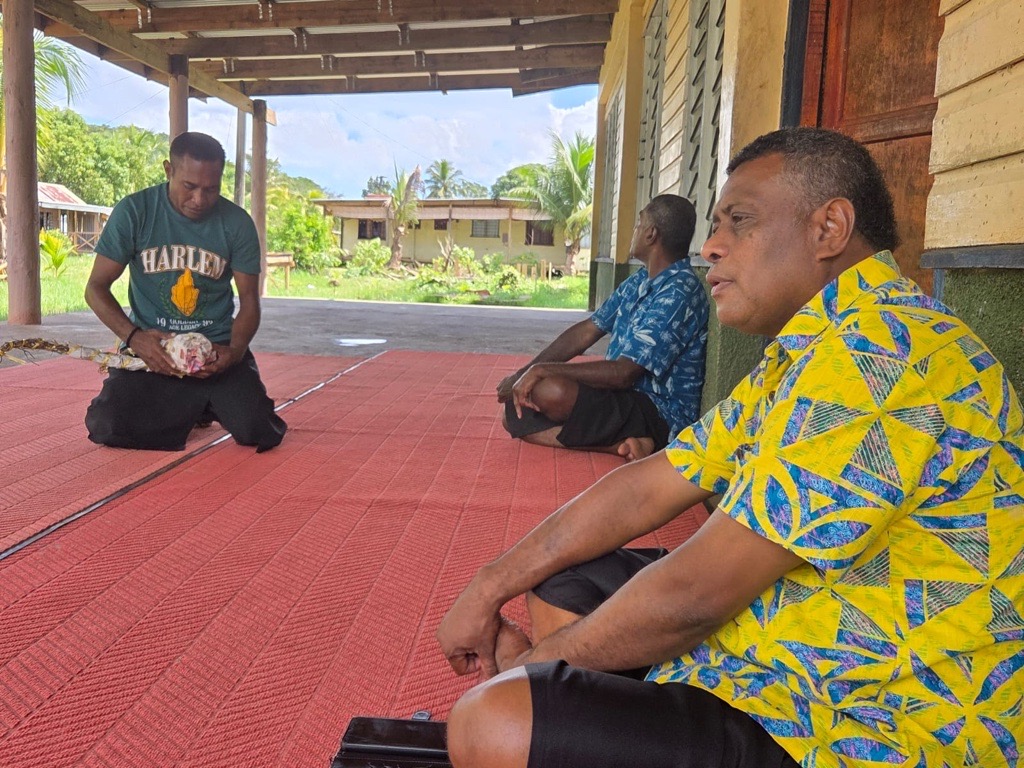
We kicked off Monday morning with the sevusevu presentation. The Roko Tui Macuata and the Provincial Administrator presented it on our behalf, what an honor! There I was, sitting quietly, thinking how lucky we were. All these key leaders backing our project? I just kept thanking everyone involved in this project.
After that, we jumped right in around 9 am with household surveys. Our goal? Cover as many homes as possible that day. We pushed hard and hit more than half our target, but man, we went till 9 pm! No choice with the tight schedule; we couldn’t let the momentum slip. The people of Wailevu greeted us with big smiles and open hearts. They shared their stories, treated us to nice tea and lunch… exhausted? Totally. But motivated to come back strong the next day.
Tuesday, March 10th: FGDs First, Finish Line
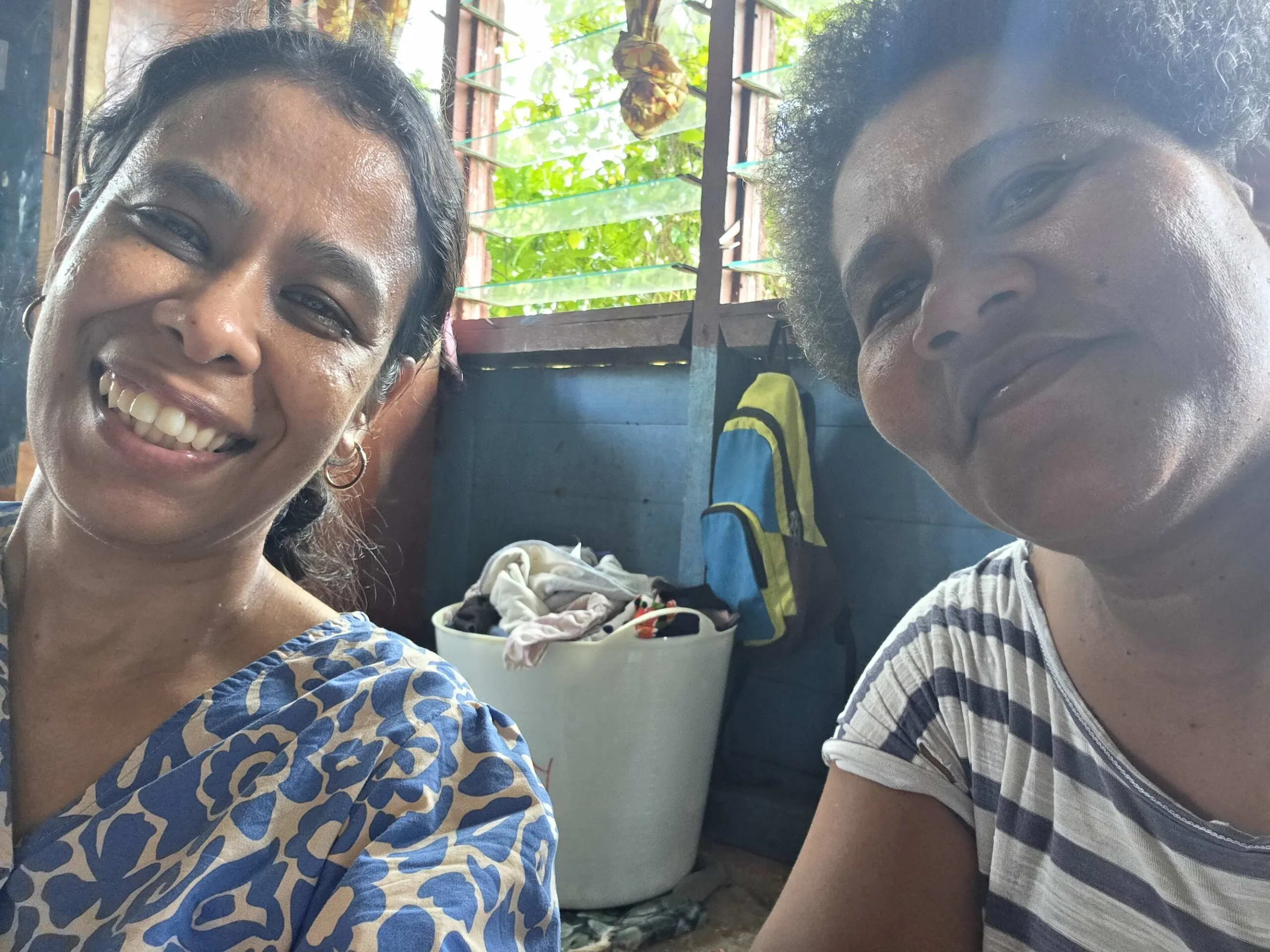
Tuesday started at 9 am again. The Turaga ni Koro helped line up all the FGDs right away – smart move. With those done, we tackled the last few household surveys. Not too tough a day, and by 6 pm? Everything wrapped! Wow, relief doesn’t cover it. Five sites down, one to go. We were pumped for the final push.
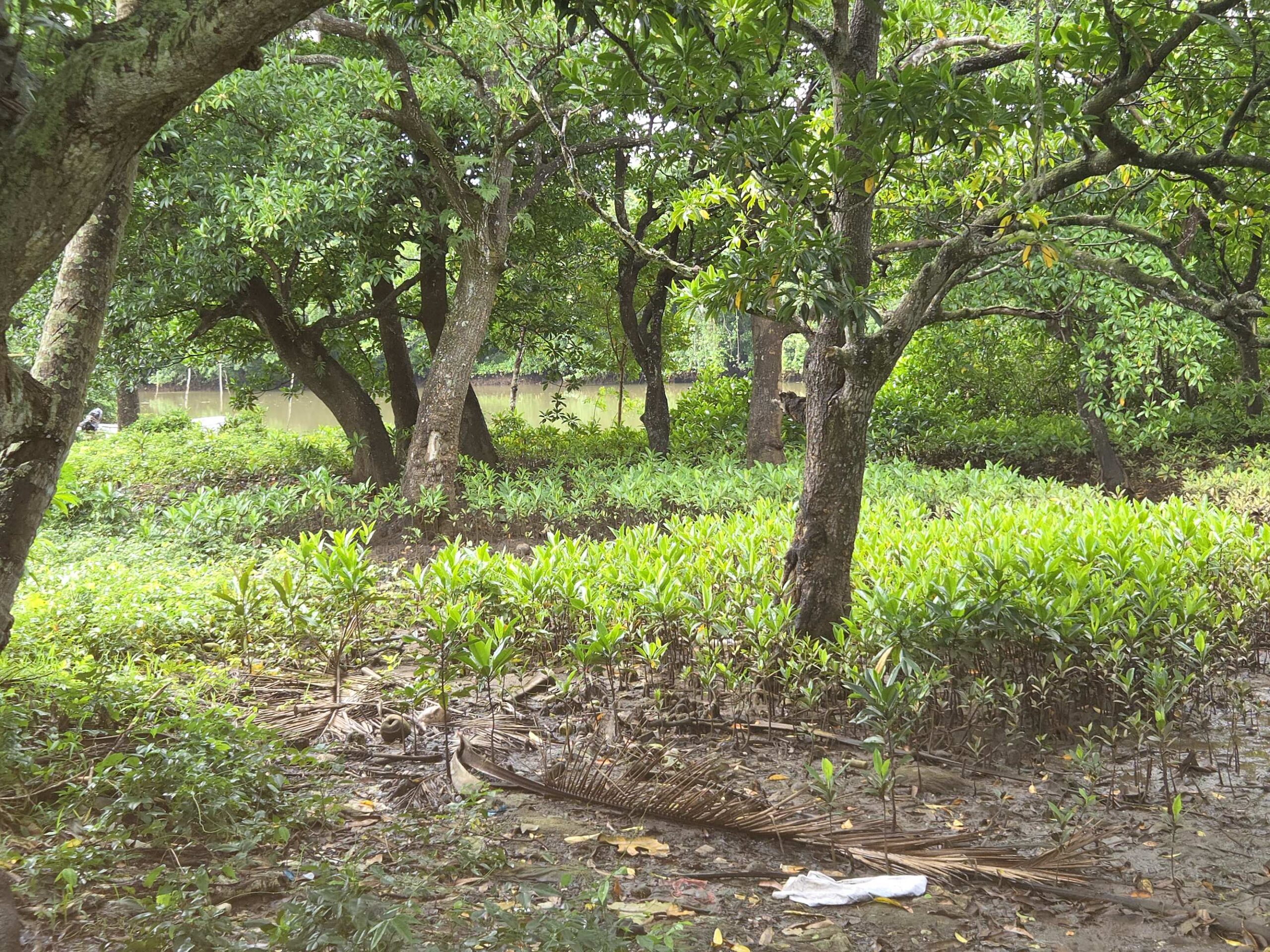
What We Heard in the Wailevu FGDs
The FGDs were gold, real talk from leaders, elders, women, fishers, and youths. Here’s the heart of it, straight from them:
Leaders and Elders
Mangroves protect the village from coastal erosion and keep fisheries going strong. They’re big for community gatherings and traditional harvesting for feasts. Key cultural perks?
- Treating sickness in kids.
- Fuel for daily cooking and special “soqo” events.
- Shielding coastlines and riverbanks, plus nurseries for fish, even deep-sea ones show up in the swamps!
Fun fact from them: Macuata has some of Fiji’s highest mangrove cover, and uniquely, mangroves grow on fringing reefs here (like in Natualevu or Nalase). A 2010 survey spotted tame 3ft deep-sea fish in ankle-deep ponds. Trekking one area? Takes six hours!
Women
Mangroves mean so much to us women culturally:
- Bark for traditional dyes – cook it up for coloring masi or voivoi fabrics.
- Leaves mixed with coconut oil for skin ointments; aerial roots (“Titi-ni-dogo”) for kid tonics.
- Dried ones as cooking firewood.
In traditions:
- Scraped bark for garlands.
- Small aerial roots (“titi”) for spear dancing in “meke-wesi.”
They pass knowledge to youth: “Mangroves stop erosion and landslides, house fish and birds, shelter from storms, nature’s gift!”
Fishers
Old-school fishing lives on:
- “Duki” with big 10m nets – splash to herd fish in.
- Lines and small women’s nets (“lawa/taraki” or “tataga”) for ponds.
Elders teach reading tides, like “Mati-vou” after new/full moons – prime high-tide fishing. Historical myths? Mostly with older generations now.
Youths
Youths know their role in feasts as pro fishers, but civic stuff? Less so. The Lovonisonisoni group has joined mangrove plantings and clean-ups (even in nearby villages for awareness). Still, sports and school win out. Tip from them: Remind youth of duties first, show project wins, then let them lead, they’ll replicate it.
These chats fired me up. Wailevu’s stories show why mangroves matter – protection, culture, food, future. Can’t wait to share more from the last site!
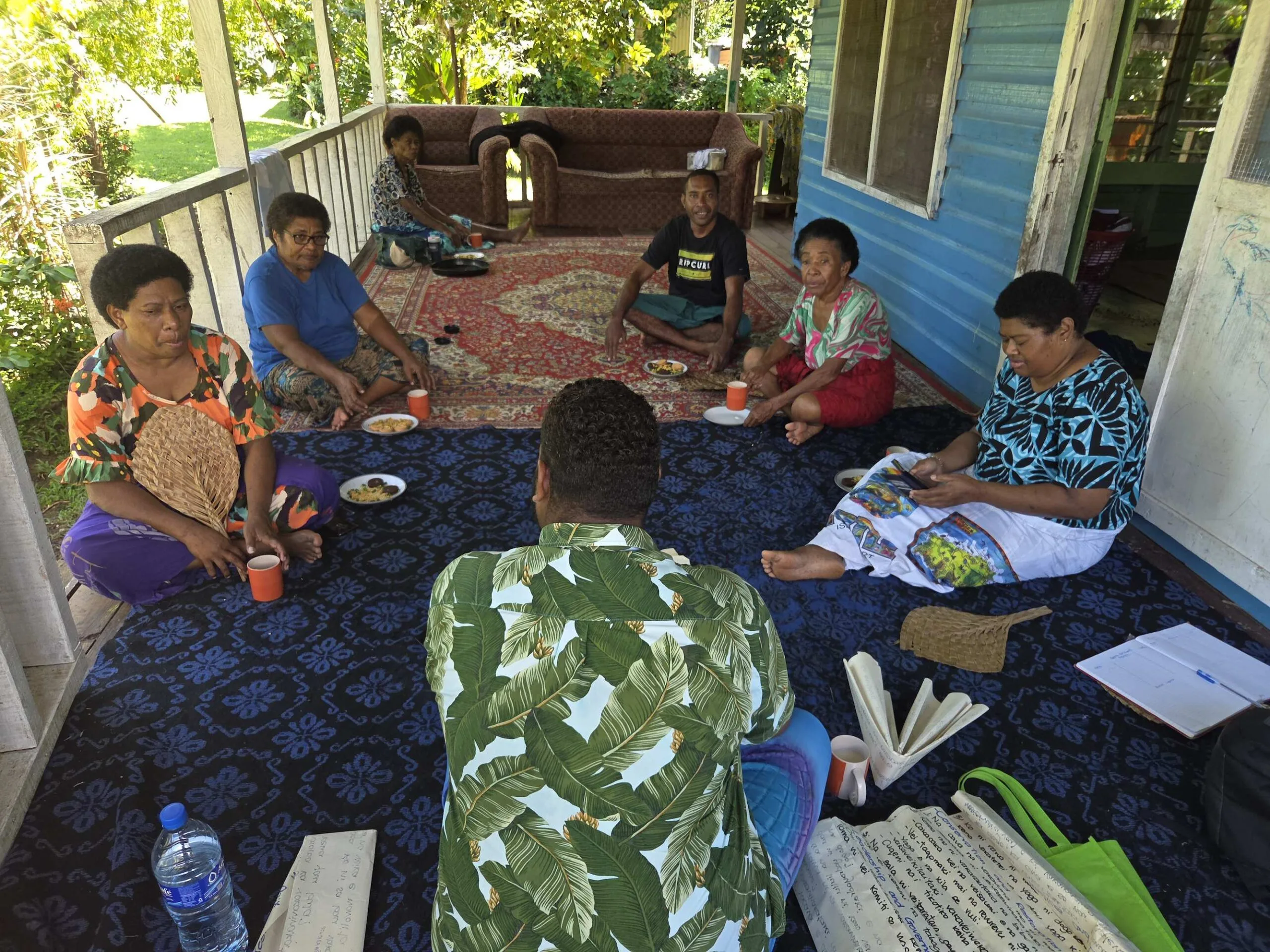
Wailevu Tiri Hospitality
Wednesday, March 11th, and Thursday, March 12th were set for Wailevu Tiri. I reached out to the Advisory Councillor (AC), who was so eager to help. He even took a day off just for us, big thanks to AC Deepak of Wailevu Tiri!
March 11th: Household Surveys with Heart
We arrived at 8:30 am and got welcomed with tea and snacks. We said we’d already eaten breakfast, but they insisted, classic Fiji hospitality! It had us feeling overfed in the best way.
Then, interviews kicked off. Deepak went with Epeli for translations, while I teamed up with Sunita, this energetic lady who jumped in right away to help. I felt so grateful for the community support. One highlight? Meeting the sweet elderly couple, they became my nana and nani on the spot, serving up amazing snacks. House to house we went, covering every household. We pushed late into the night and hit our target. Wow, what a day! Lovely people, great walks across the village, pure joy.
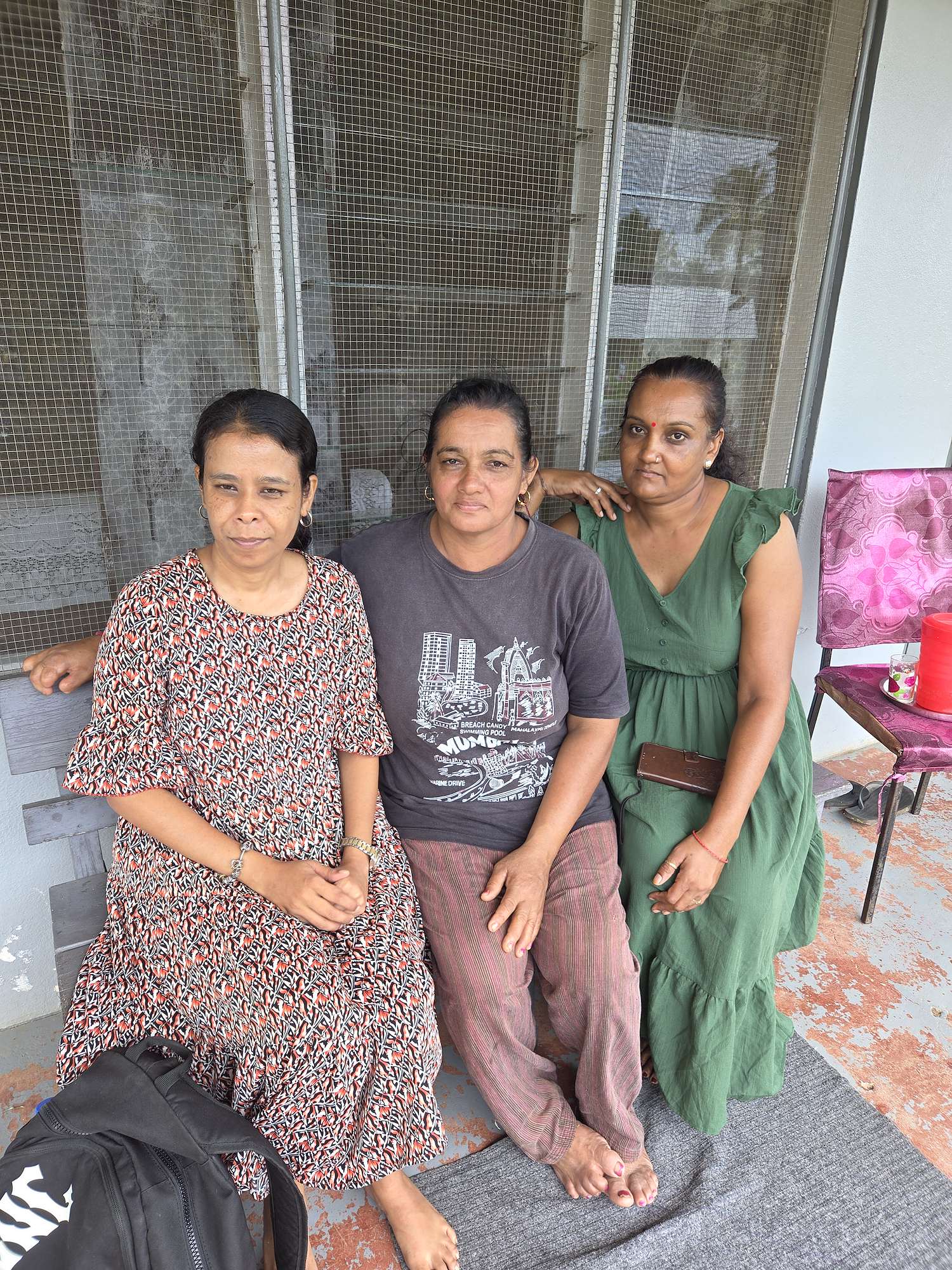
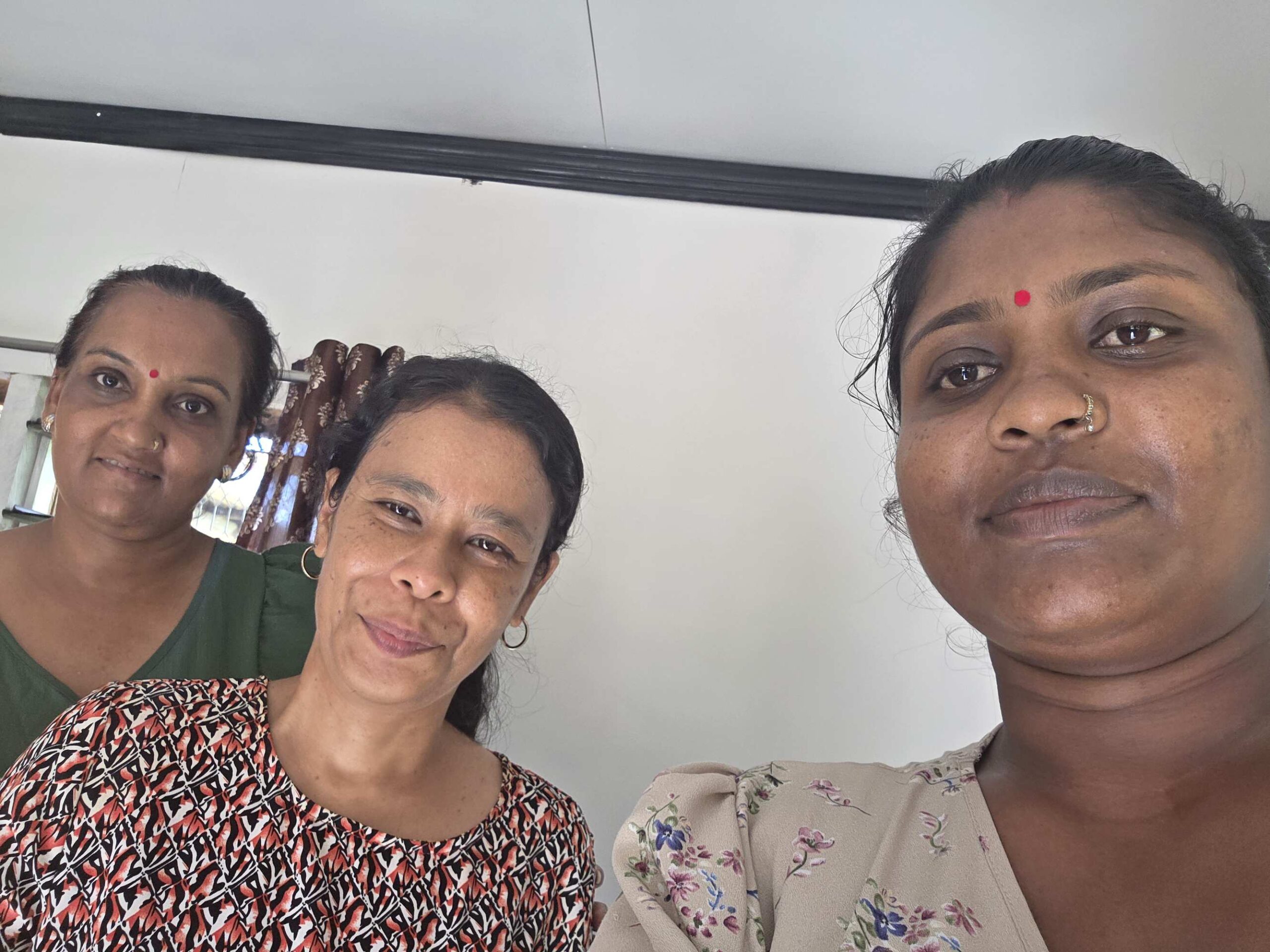
The next day was all for FGDs, and Associate Professor Andrew Dansie will be joining me. He arrived on Wednesday evening, came straight to my homestay for dinner, another feast of Indian food. We had a long chat about the project, then dropped him at his hotel. Plans were set: start early at 9 am.
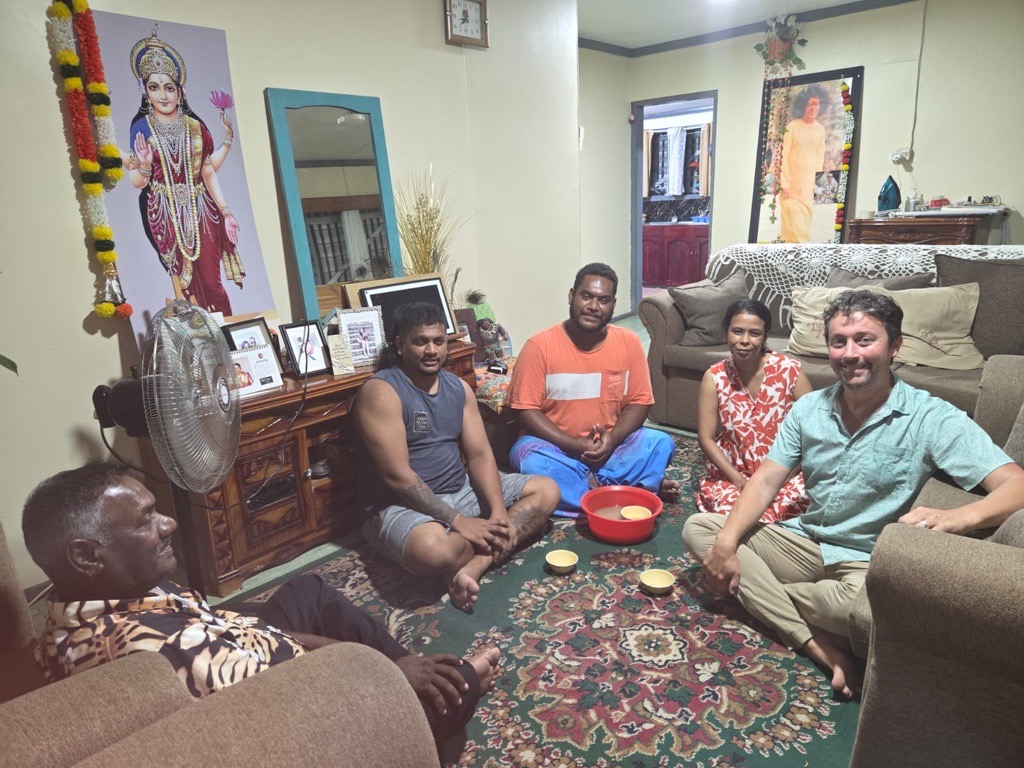
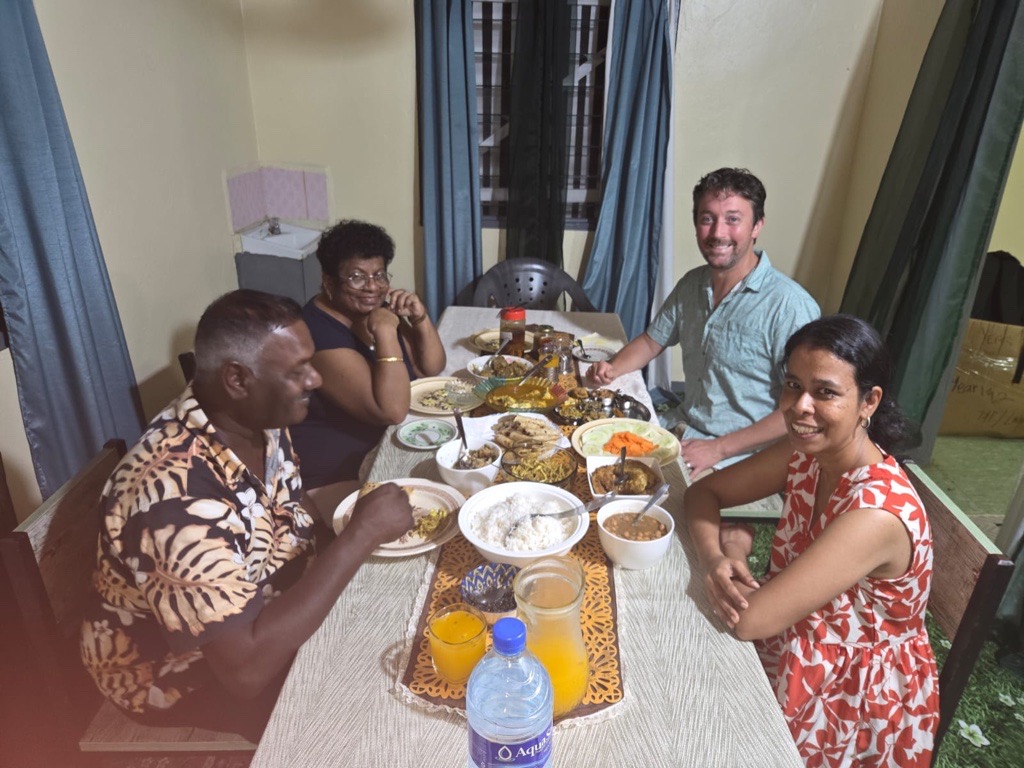
These moments remind me why fieldwork rocks, the people make it unforgettable. More FGD gems coming soon!
Thursday, March 12th: Site Scoping and FGD Power
We started early Thursday, March 12th at 9 am. Dansie and I headed out to scout potential sites for Project Halo. Having him along for my last fieldwork days? Huge morale boost. So grateful for Project Halo support!
Stark Realities Hit Hard
First stop: Korovatu. The stark reality slapped us, reclaimed land, mangroves cleared in the 1970s, per an aunty we chatted with. Now? Unproductive, infertile soil. Frequent flooding, even on sunny days – water in compounds, tiri grass taking over. We talked to fishers netting tilapia in drains; they came from a nearby village but said, “Good supply here!” Loved meeting them.
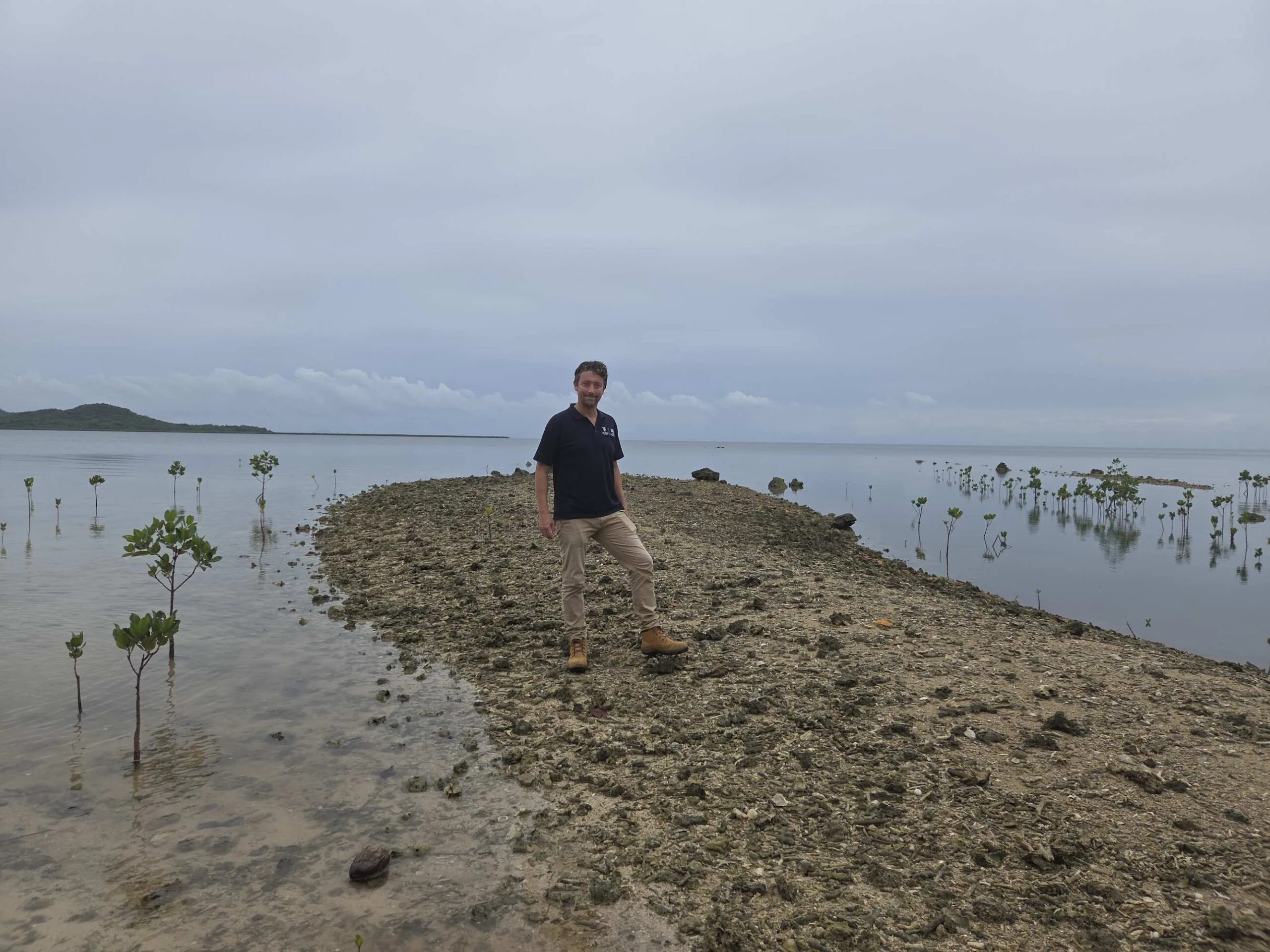
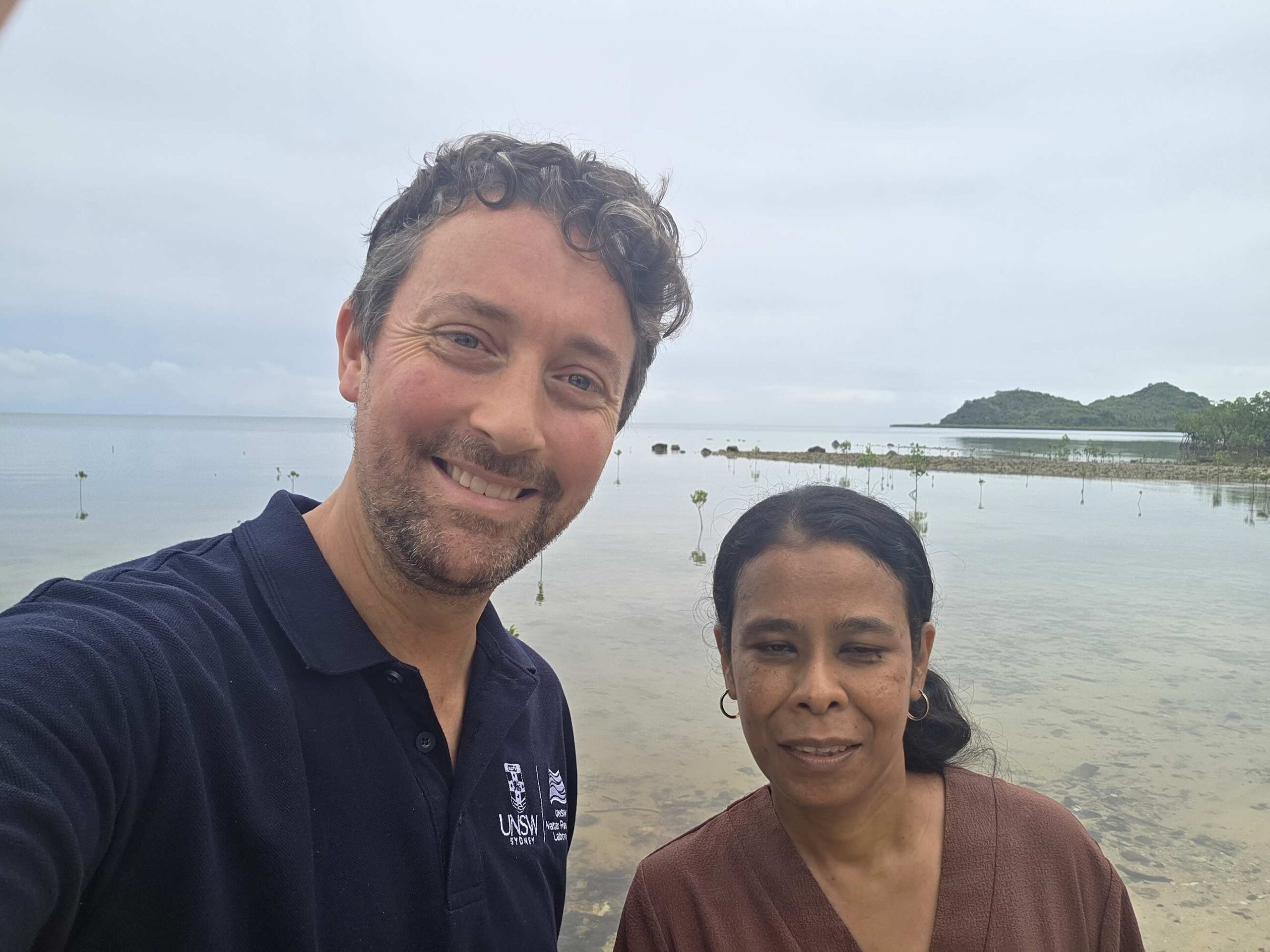
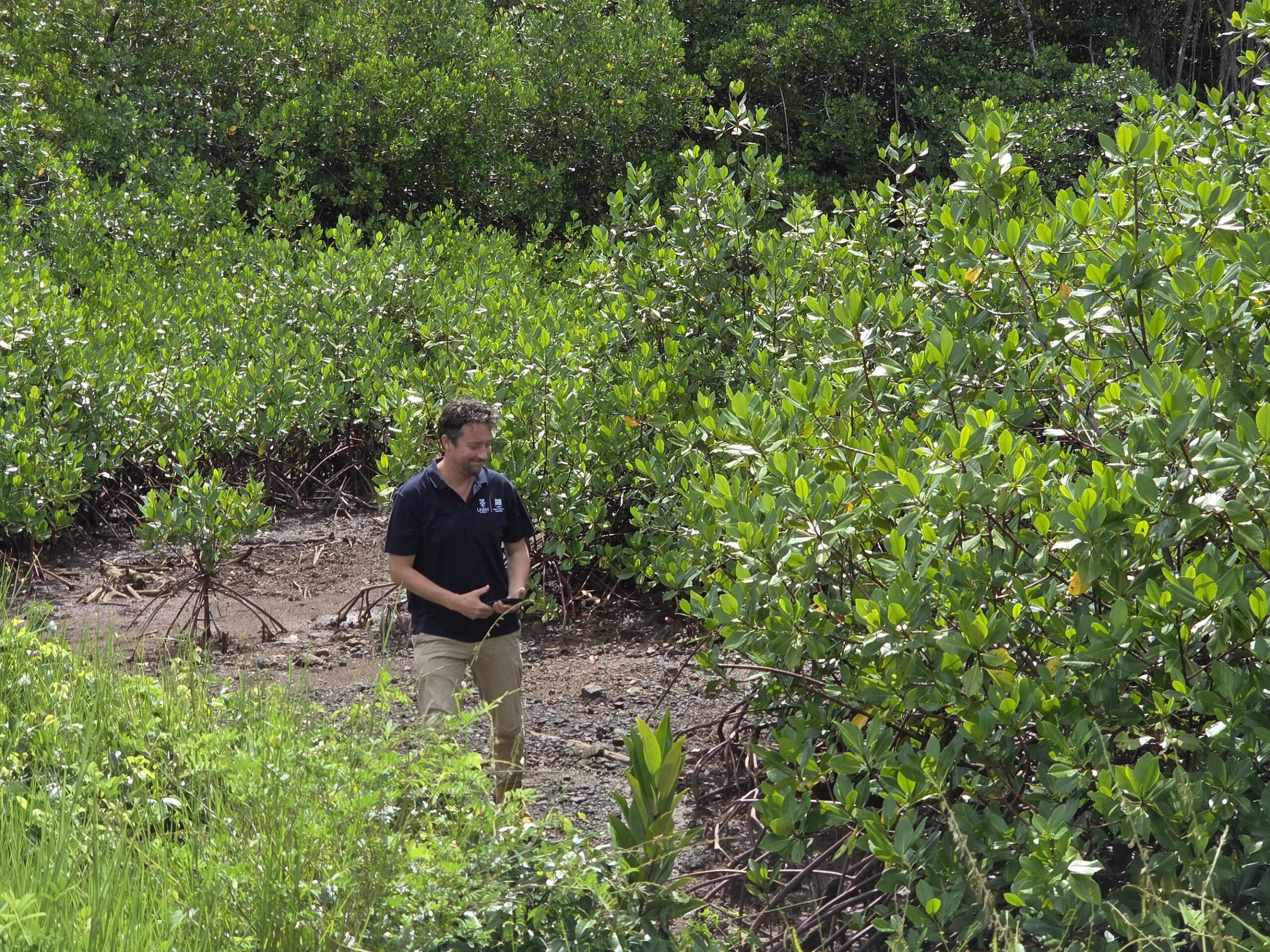
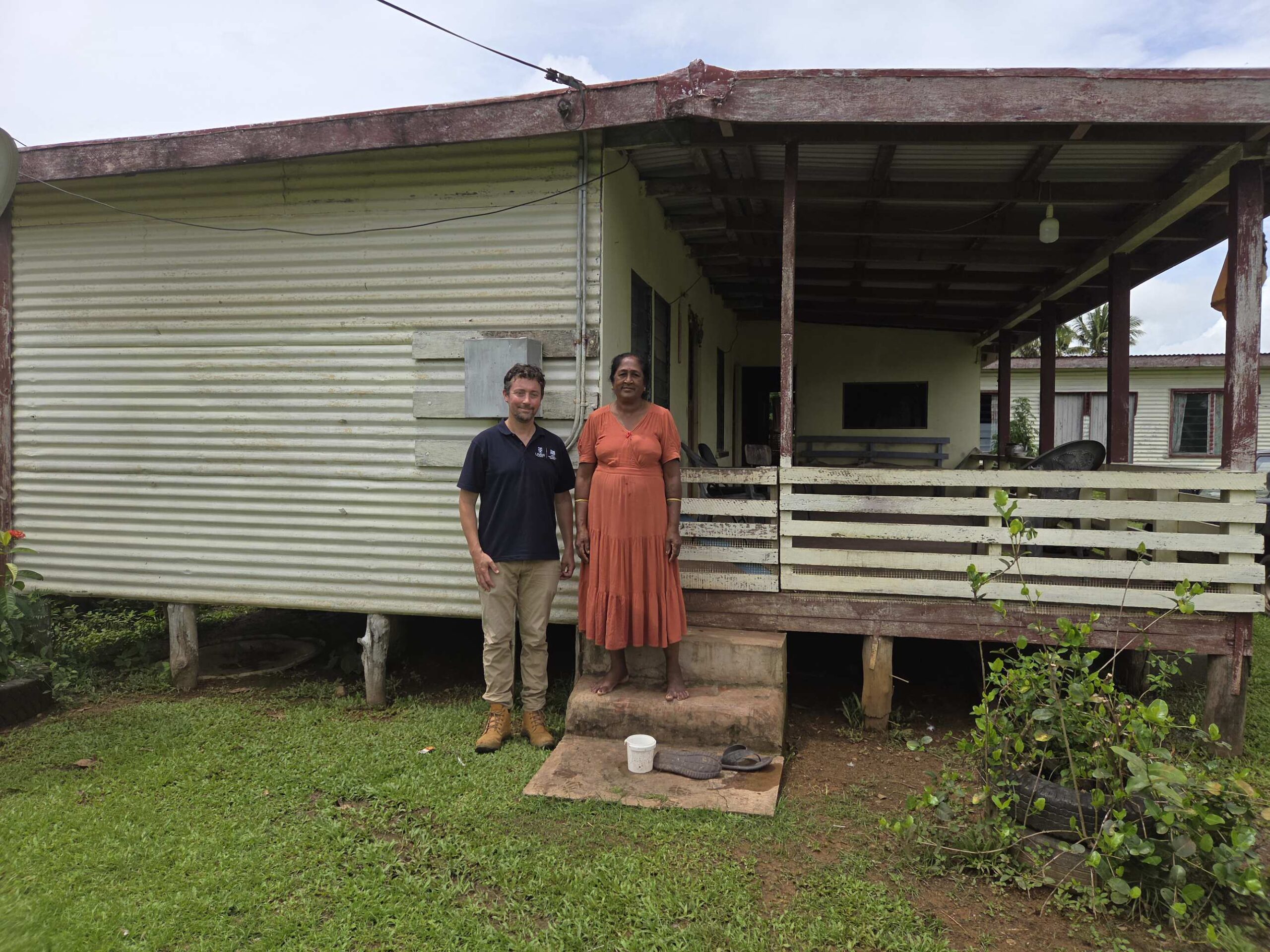
Next: Wailevu Tiri, guided by Salvesh, a young fisher who knows the mangroves inside out. We drove the tramline to the deepest spots. Again, stark truth: mangrove elevation higher than farms. Abandoned fields, water everywhere. Sad sight, but ground inspection was key. We grabbed late lunch at Damodar City Labasa, then prepped for FGDs.
Evening FGDs: Voices That Stuck
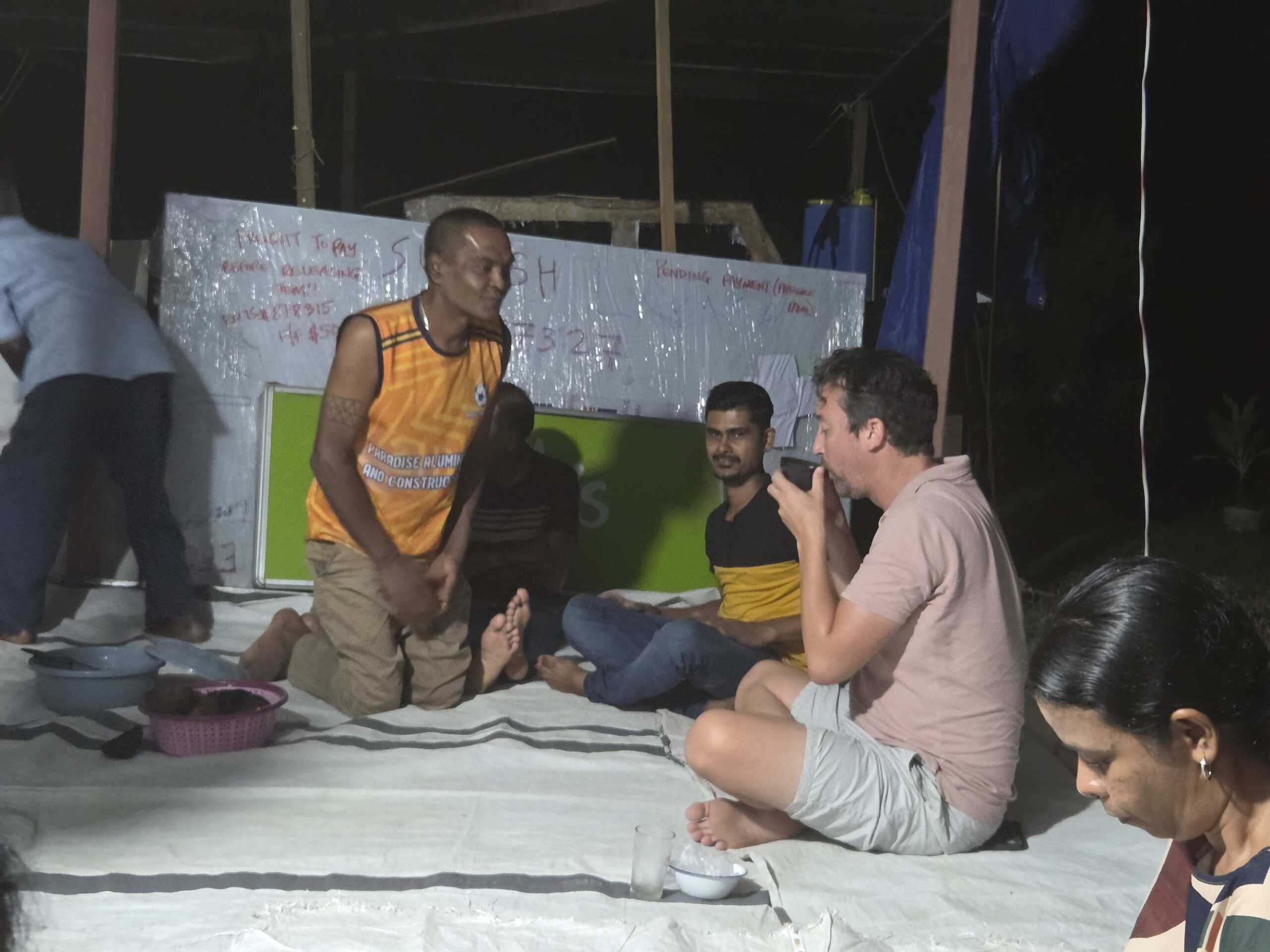
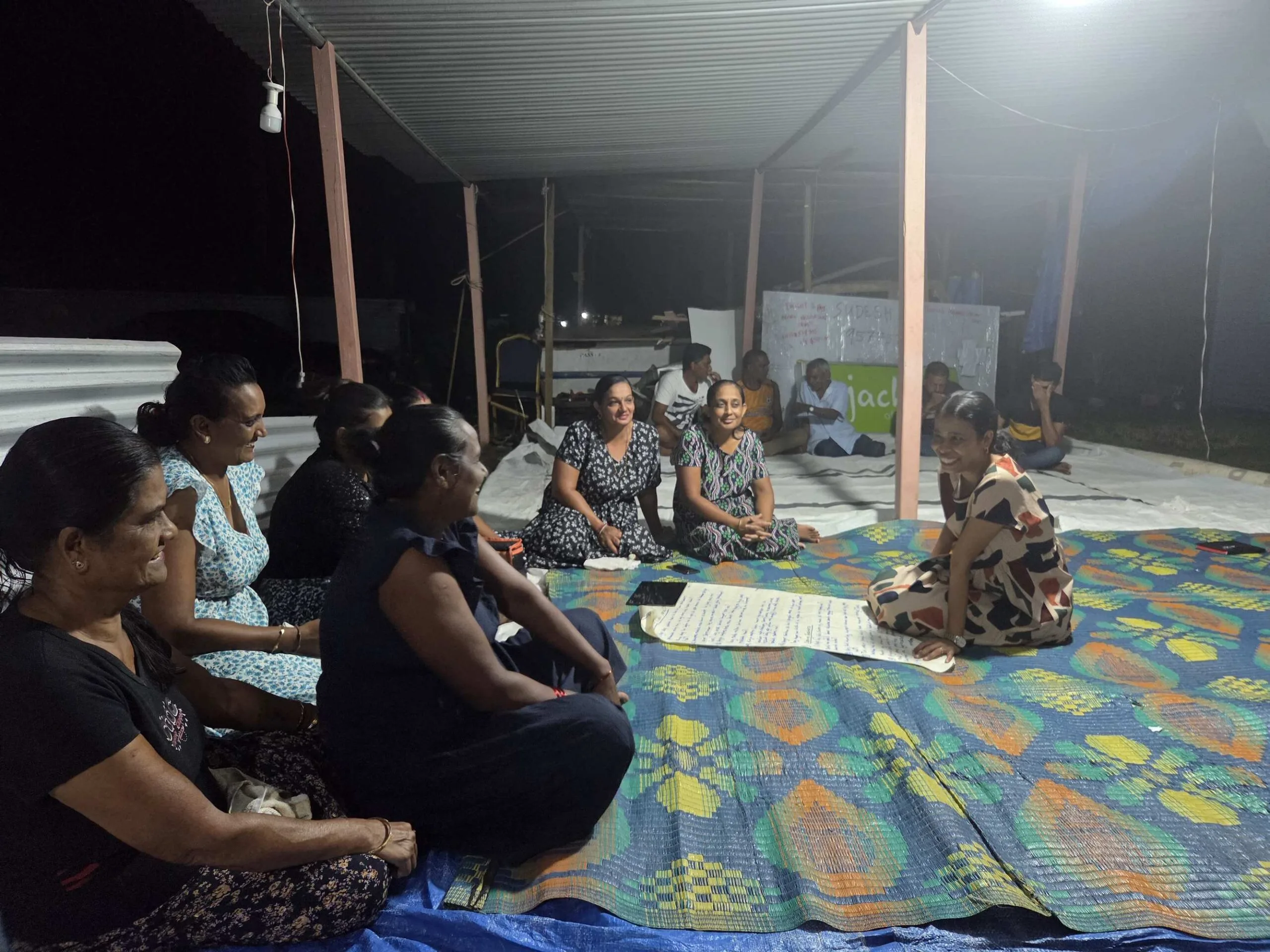
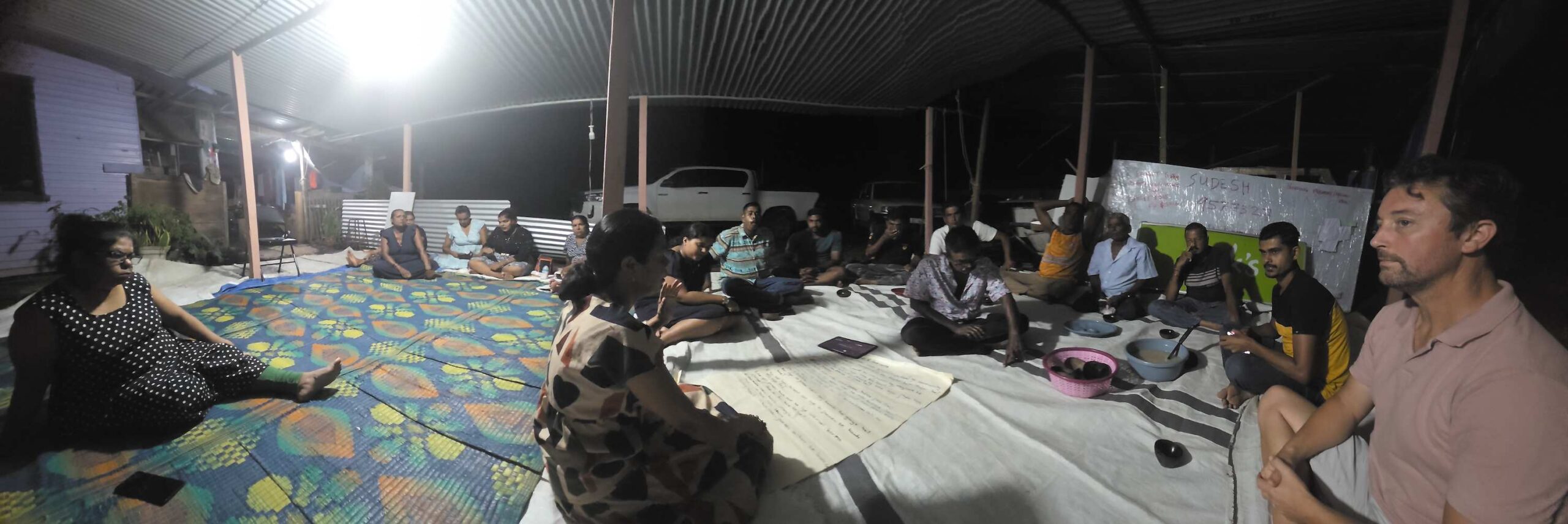
Dansie, Epeli, and I arrived at 7 pm. Ladies and villagers poured in, super inquisitive. Started with women, then a combined session with sugarcane farmers and fishers. They shared vast knowledge, fully aware of climate change’s dark side – and how mangroves save them.
Women: Spiritual Ties and Everyday Wins
Deep Hindu connections: “We use shallow mangrove waters for phool visarjan and pooja immersions,” they said. Also Ganga Pooja and cremation ash rituals there. Benefits? “Fuel wood, food, protection from floods, nurseries for life.”
Ancestral nods too: Weekly/monthly yaqona and cigarette to “Tauki” for safety; annual rooster to “Takana” (land god) and fish to sea god around Christmas. No strict rules for Indian women entering mangroves, elders might know undocumented ones. Knowledge sharing? “Kids learn in school; we don’t talk mangroves much at home.”
Fishers: Nursery Lifeline
They cherish mangroves: “No mangroves, no fish, we don’t cut them!” Nursery for kanace, bamba, tiri damu, mud crabs, moci, kuka, lairo, even hammerhead/tiger sharks at estuaries. Learned by watching parents: “Andheriya and Anjuriya tides.” Cold season brings walu; tiri damu poisonous Nov-April.
Sugarcane Farmers: Saltwater Struggles
Salt intrusion hit 1990s, good yields in ’70s/’80s, now wrecked. Sea flooding, storm surges, spring tides ruin farms. Production down 75% for some: “Nothing grows now.” Still pay leases from pockets. Fertilizer woes: “Used 10 bags on 2 acres before; now 20, but half the yield.” Damages soil minerals too. “In 10 years, no more sugarcane, soil fully salinized.”
Other pains: Rain floods from poor drainage wipe crops. Toga grass signals death: “Looks like rice from afar, but farm’s done – no sugarcane, veggies, nothing.” 80% are farmers, but declining yields push jobs elsewhere. Youths flee to Suva for school; only 5% return. Labor shortage kills it and harvesting hard. Machines trash ratoons, force replants. Muddy rains damage more.
These FGDs were eye-openers – raw, real, urgent. Grateful for every voice.
We wrapped the FGDs and returned to my homestay around midnight, exhausted but buzzing. Next day, Friday March 13th, we were up early – out at 7 am to present iTatau at my final site visits and show Dansie around the key spots. What a way to close the fieldwork chapter!
Friday, March 13th: Final Site Tour and Farewells
Meli from the Wainikoro District Office picked us up sharp at 7 am, a young, composed guy, our driver for the day. Big thanks to District Officer Mr. Sanjay Chand, who arranged the driver. Wainikoro roads can be tricky, so we asked for help, and Labasa folks delivered!
Site Visits with Dansie
First: Wavuwavu, then to Naivitia so Dansie could see the challenges firsthand. Tea break at Mr. Jiten Sharma’s (our first homestay) – bhajia, boiled peas, strong Indian tea. Perfection!
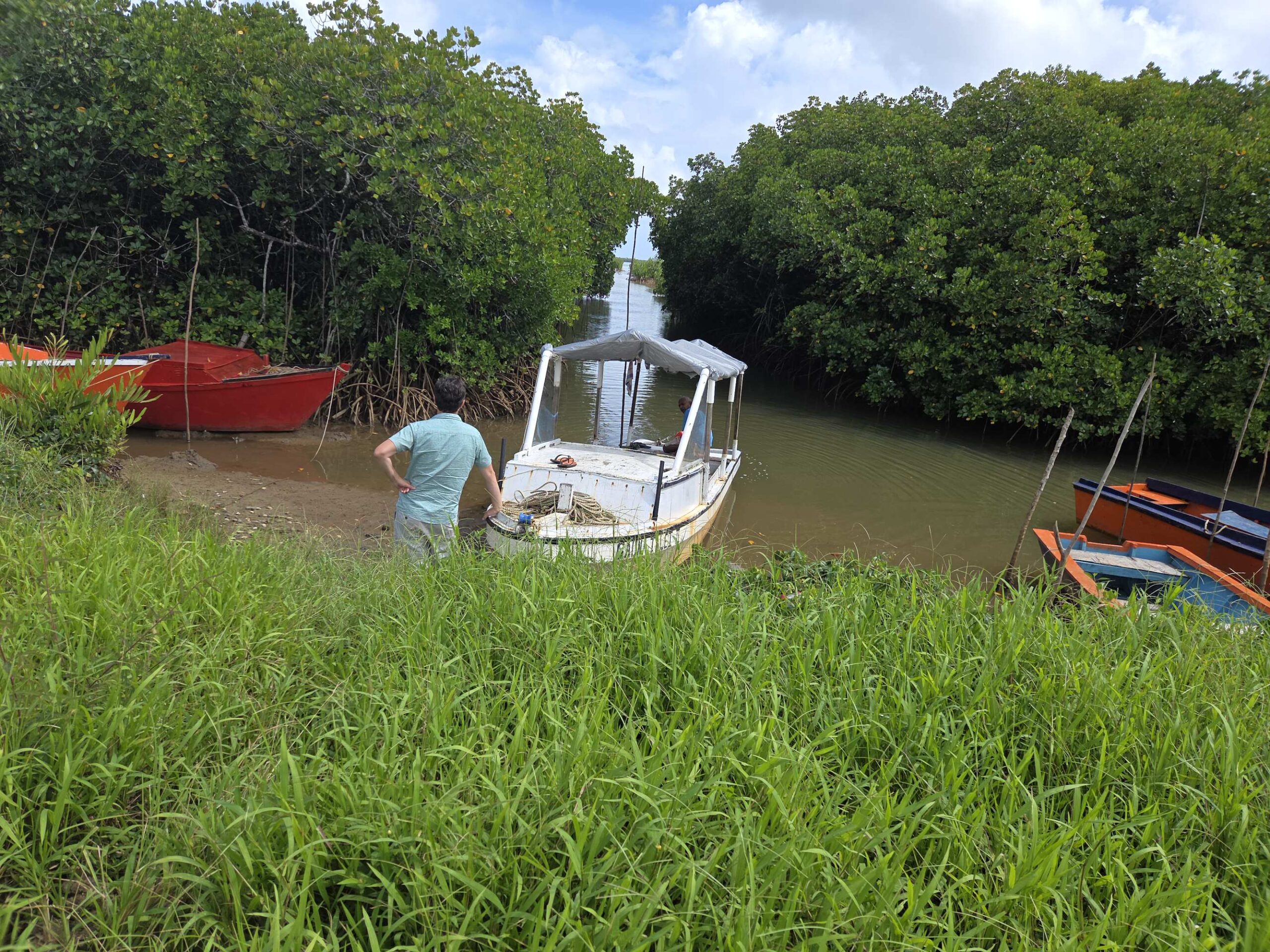
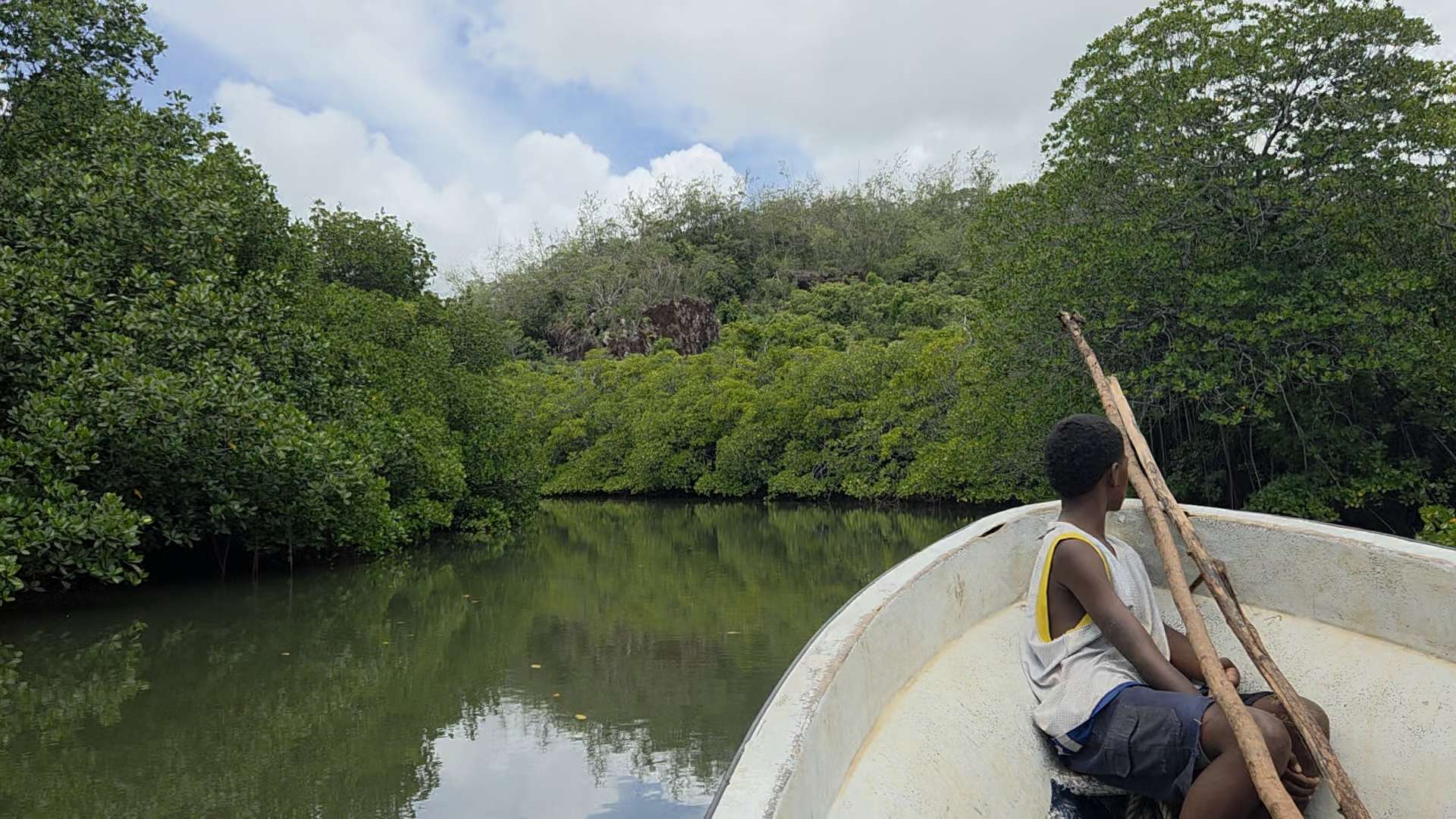
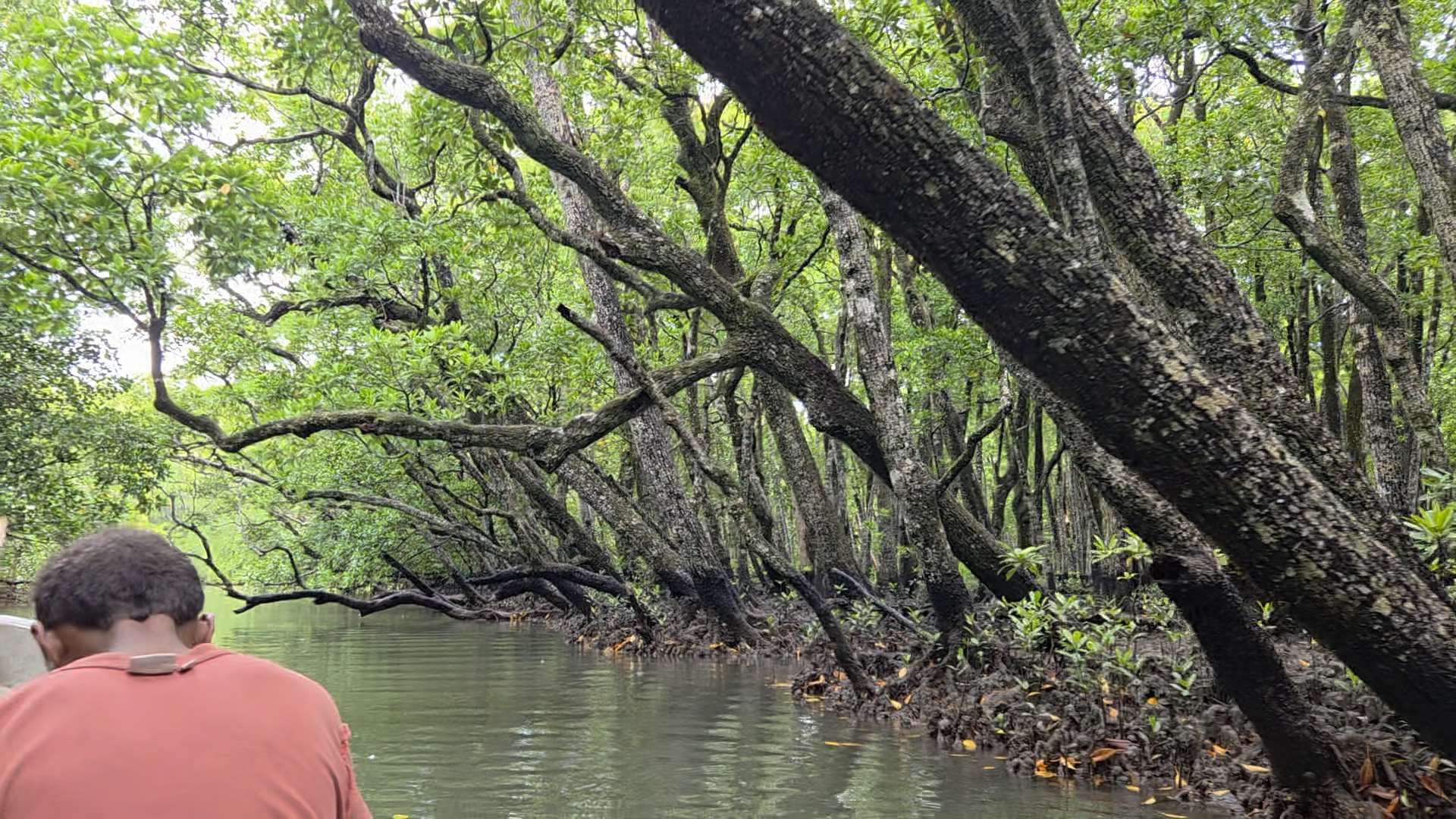
Next: Vunivutu. Turaga ni Koro took us deep into dense mangroves by fibreglass boat. Sea ride was fun; we explored nearly an hour.
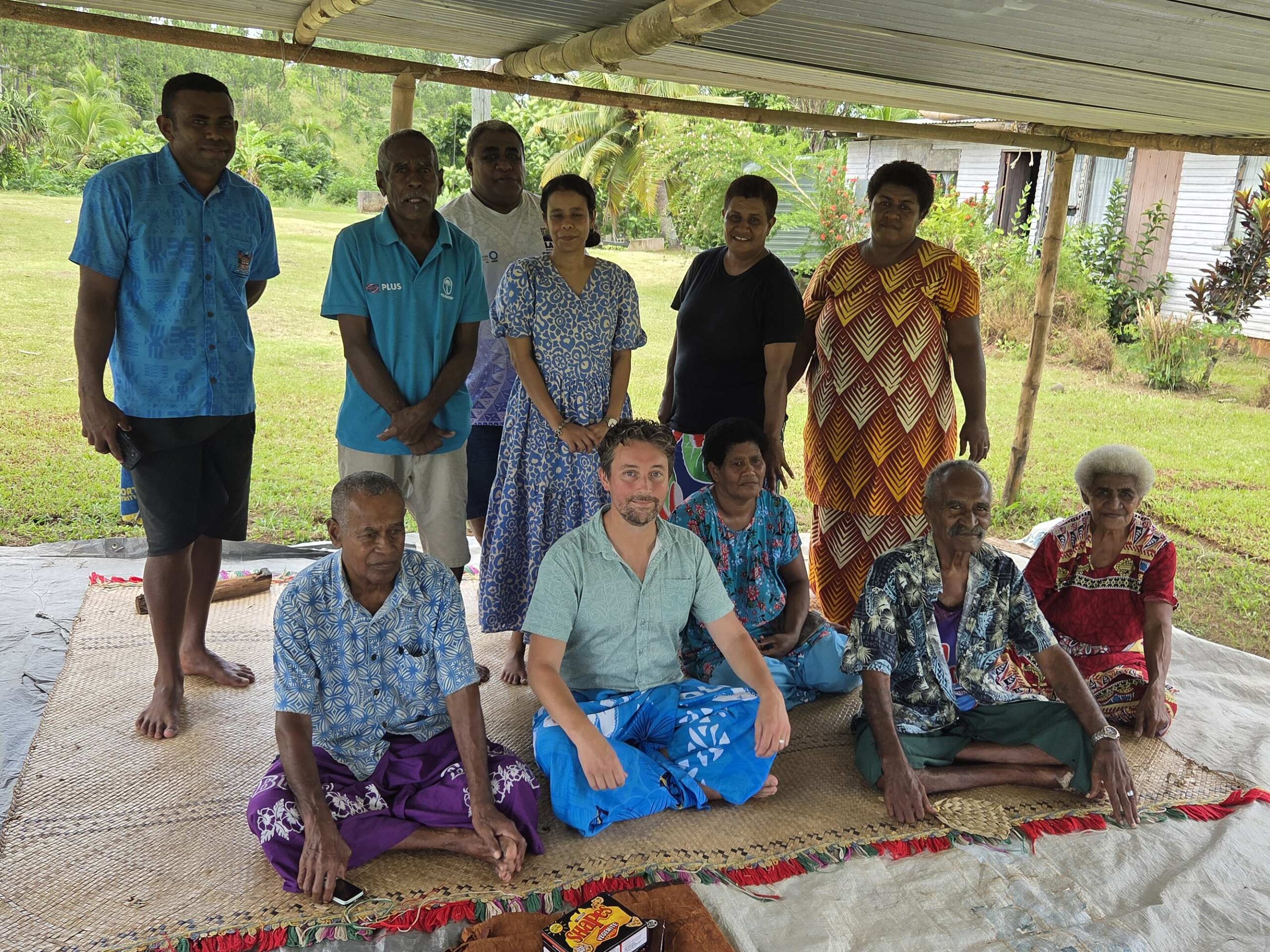
Back to Mouta for warm, delicious lunch, all my faves. Happy vibes and good chats after. Meli then shared his clan’s floating island – close encounter with Fijian traditions. Respect grew even deeper. 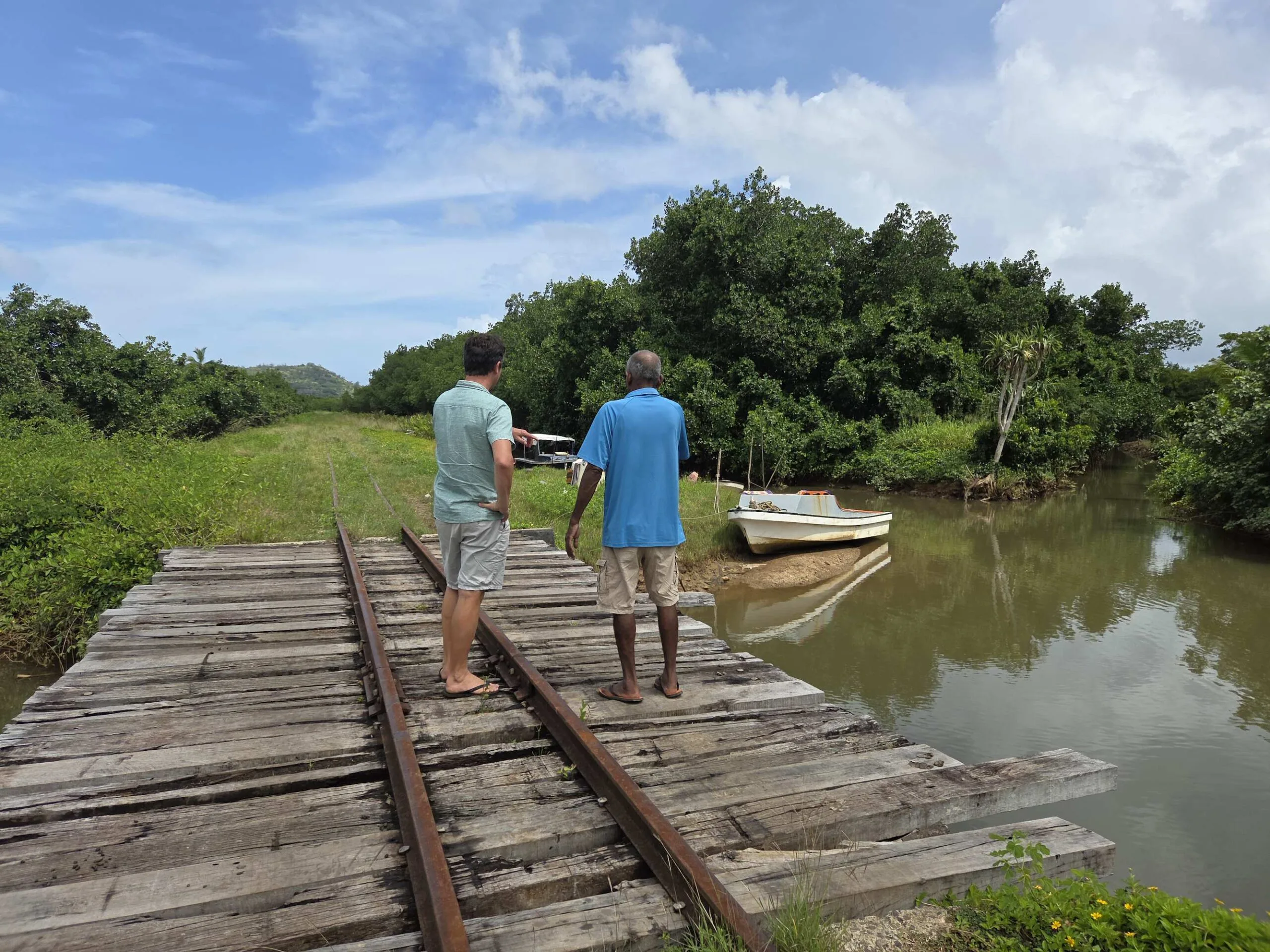
Day’s End
Headed back to Labasa town. Dansie powered through despite feeling sick. Dropped him at the hotel, returned the vehicle, bid Meli goodbye. Sweet memories carried us home to the homestay.
What a full-circle day, grateful for every helper and sight.
Saturday, March 14th & Journey Home: Vanua Levu Farewell
Saturday, March 14th marked one full month since leaving Suva and our eve of departure from Vanua Levu. We spent it packing up, double-checking everything was in order. Fieldwork summed up, bags ready.
Sunday, March 15th: Final Goodbyes and Flights Home
Flight out at 3:55 pm from Savusavu airport. We hugged goodbye to our lovely Tuatua hosts and hit the road by 11 am. Our taxi driver made it special, no lookout point missed on the scenic drive.
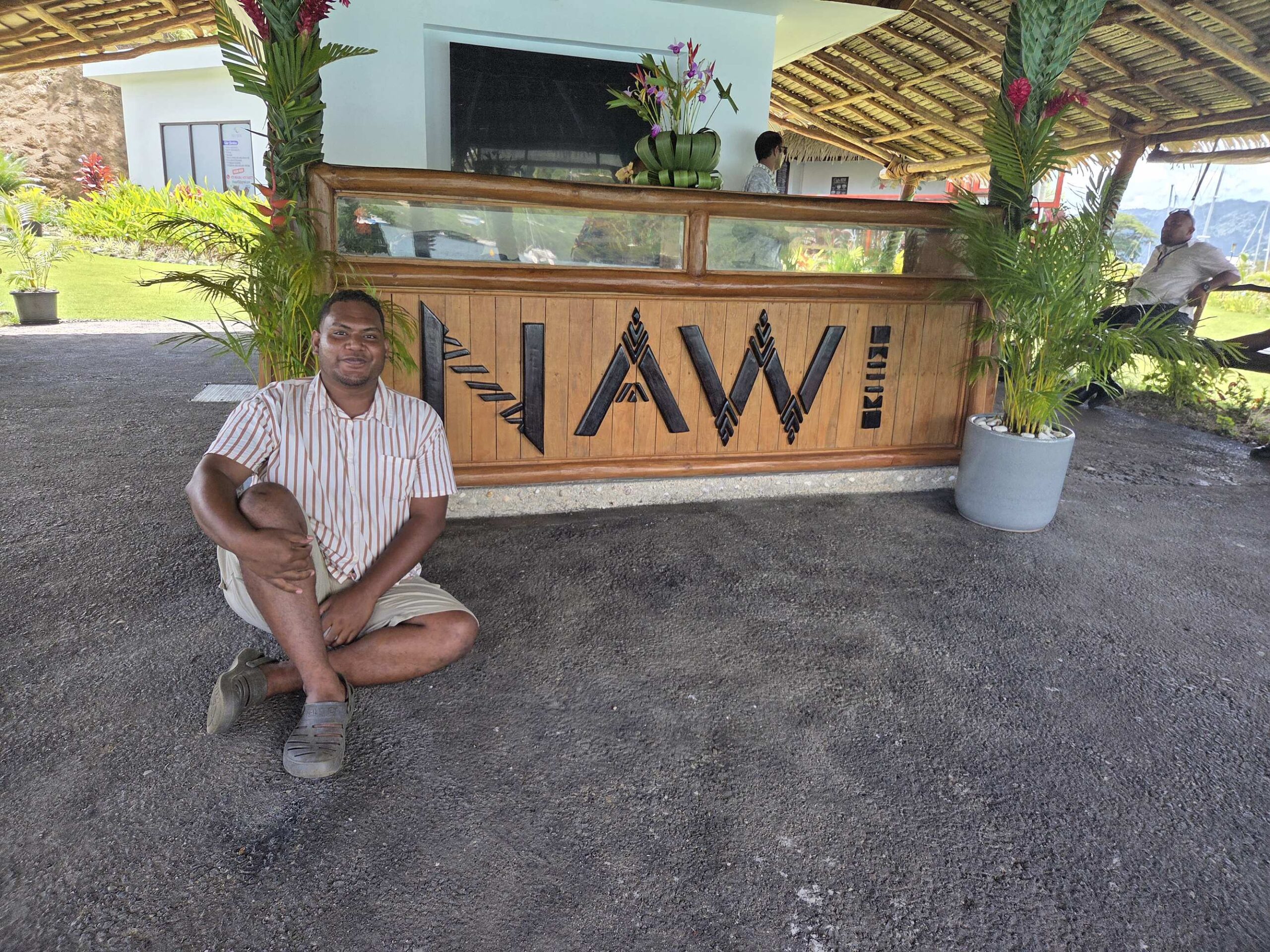
Savusavu arrival- Our taxi driver took us to the hot springs first. Still early, so a quick Nawi Island ride, Epeli earned that treat. Quick lunch, then airport. Departed 3:55 pm, reached Nadi in 45 minutes. Waited for Nausori flight (out 7:30 pm, landed 8:00 pm). Wow, finally back home!
Being away was hectic, but I thank my husband and daughter for holding down the fort without a peep. Blessed with family support, my supervisory team, Project Halo crew, and friends cheering me throughout data collection.
Chapter Close
Vanua Levu fieldwork done. As I write this, prepping for Raviravi and Votua Ba fieldwork. New chapter soon, till then, goodbye!
——
Read my previous posts: Fieldwork Diaries #2 – Part 2| Fieldwork Diaries #2 – Part 1