
Project Halo Co-lead Associate Professor Andrew Dansie recently took a three-month sabbatical, which included time in the Western Province, Solomon Islands. While there he worked on expanding Pacific air quality monitoring efforts beyond those in Honiara, where he has been working since 2020. The trip saw the successful installation of air quality monitoring units at two key locations: Munda and Tetepare Island. Tetepare, widely recognised as the largest uninhabited island in the South Pacific, is a particularly significant site for baseline environmental data. The units will track particulate matter and other atmospheric conditions in real time, complimenting those in Honiara, and contributing to a broader understanding of air quality trends across the region.
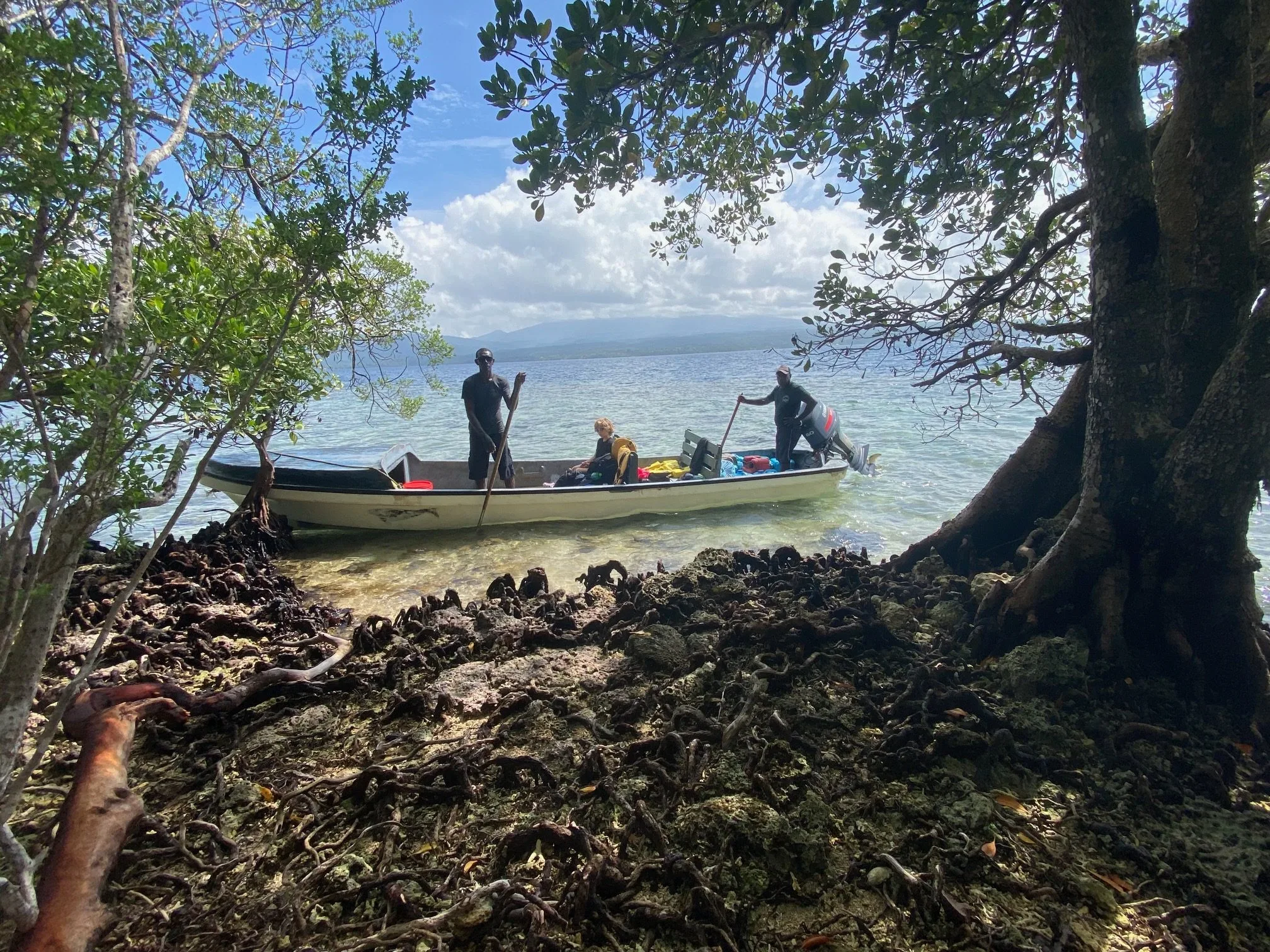
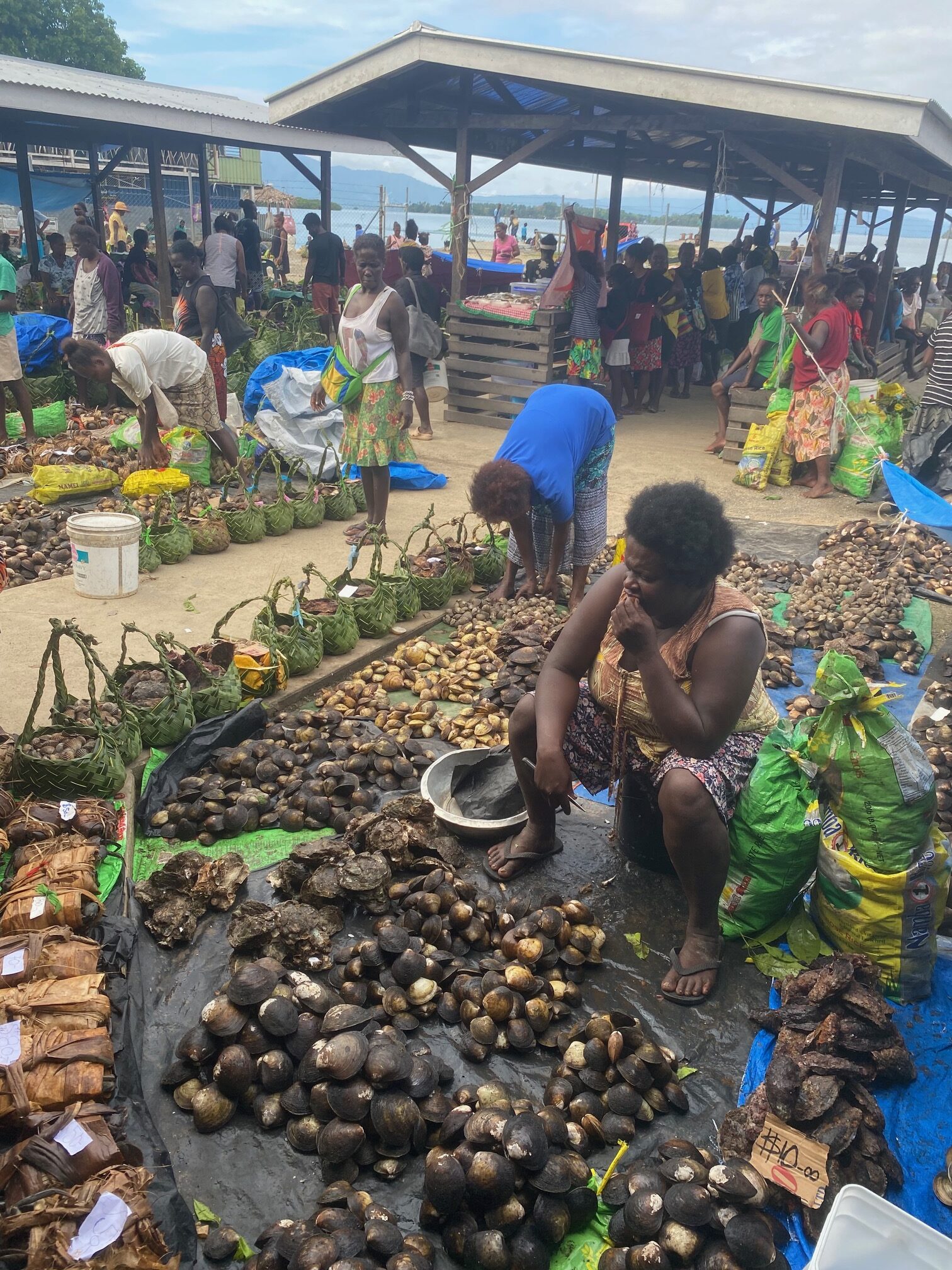
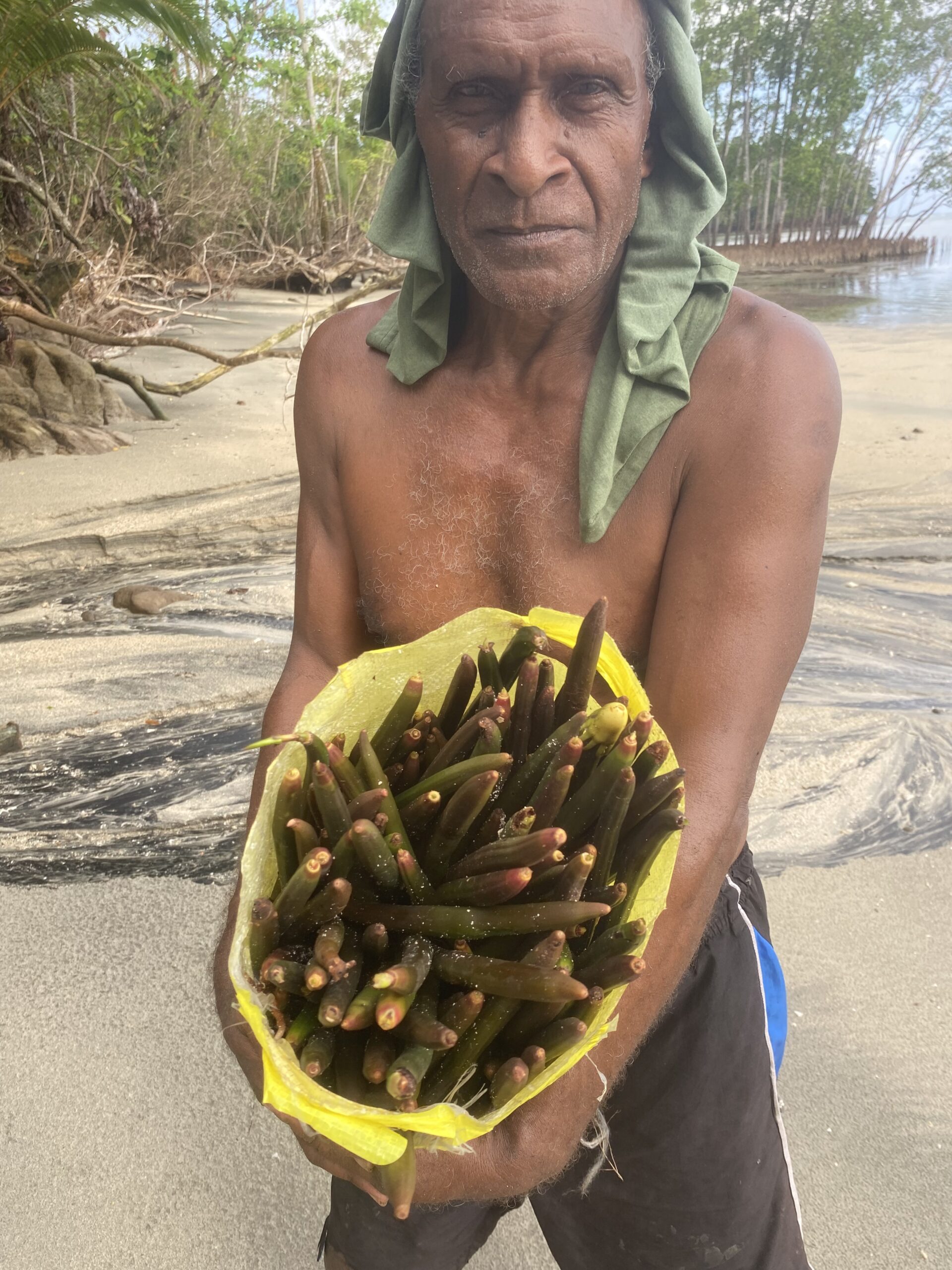
The expedition also included opportunistic mangrove inspections along the coastline where Project Halo desktop modelling is predicting where suitable conditions for resilient mangrove forests exist in a changing climate. Throughout the Western Province the mangroves visited were found to be in good condition, with strong root systems and signs of natural regeneration — an encouraging indicator for coastal protection and the abundant ecosystem services they provide. One trip highlight underscored to role of mangroves in providing traditional foods. This was in the form of petu; a traditional dish made form the propagules (the mangrove version of seedpods) of rhizophora mangroves. The mangrove propagules are harvested from the tree and then grated using a sharp shell, mixed with fresh herbs and spices and boiled – a delicious meal full of fresh flavour and a porridge like consistency.
However, the damage left behind by Cyclone Maila (April 2026) told a very different story for costal infrastructure which had taken a significant hit in the Province with many jetties and buildings either heavily damaged or destroyed entirely — cutting off communities that rely on them for daily transport, fishing, and the movement of supplies. Underwater, the picture was equally concerning. Observations revealed widespread coral reef damage, with large areas of broken reef structure from the cyclone, exacerbating coral bleaching that has been commonplace across the province.
The visit underscored how a single cyclone event can simultaneously disrupt both community livelihoods and the marine ecosystems that underpin them. Importantly, mangroves provide protection from such severe events and the region hosts an abundance of healthy mangrove forests and impressive biodiversity both above and below water.