
Transition to Wainikoro Boca (February 27th)
On February 27th, after fruitful days of surveys and focus groups in Wavuwavu and Vunivutu, our team bid a heartfelt goodbye to our wonderful hosts and traveled to our next site, remote Wainikoro Boca for new accommodation.
Farewell and Arrival
We made our way from Wavuwavu to Wainikoro Boca, one of the most isolated spots we would stay during this fieldwork. The hosts there gave us a warm welcome right away, making the place feel like home despite the remoteness.
Settling In Amid Challenges
Limited internet slowed our work on data uploads, but our portable WiFi held up, thank you, Anushka, for approving the purchase. We tried pushing forward, yet progress lagged in this connectivity-challenged area.
Evening Cyclone Alert
By evening, news hit of a potential tropical cyclone nearing Fiji, stirring stunned silence and fear. I hoped it would spare us any landfall, carrying those anxious thoughts to bed while praying for clear skies and good updates come morning.
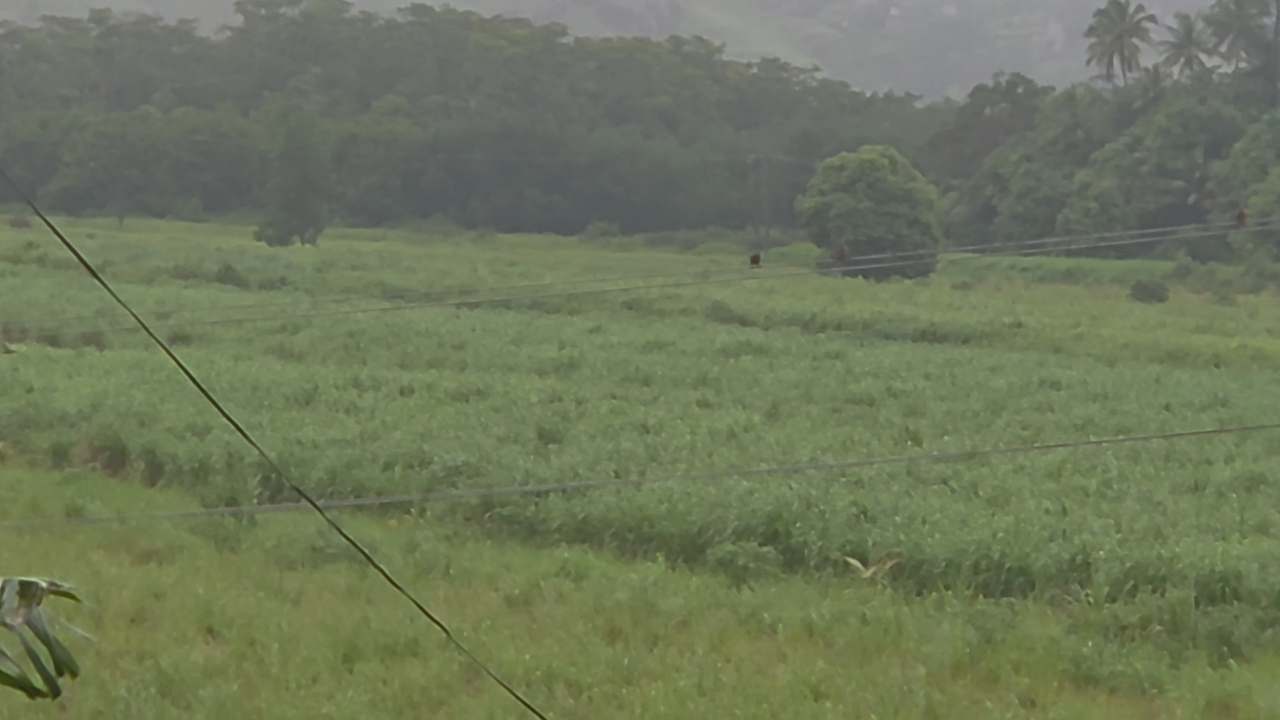
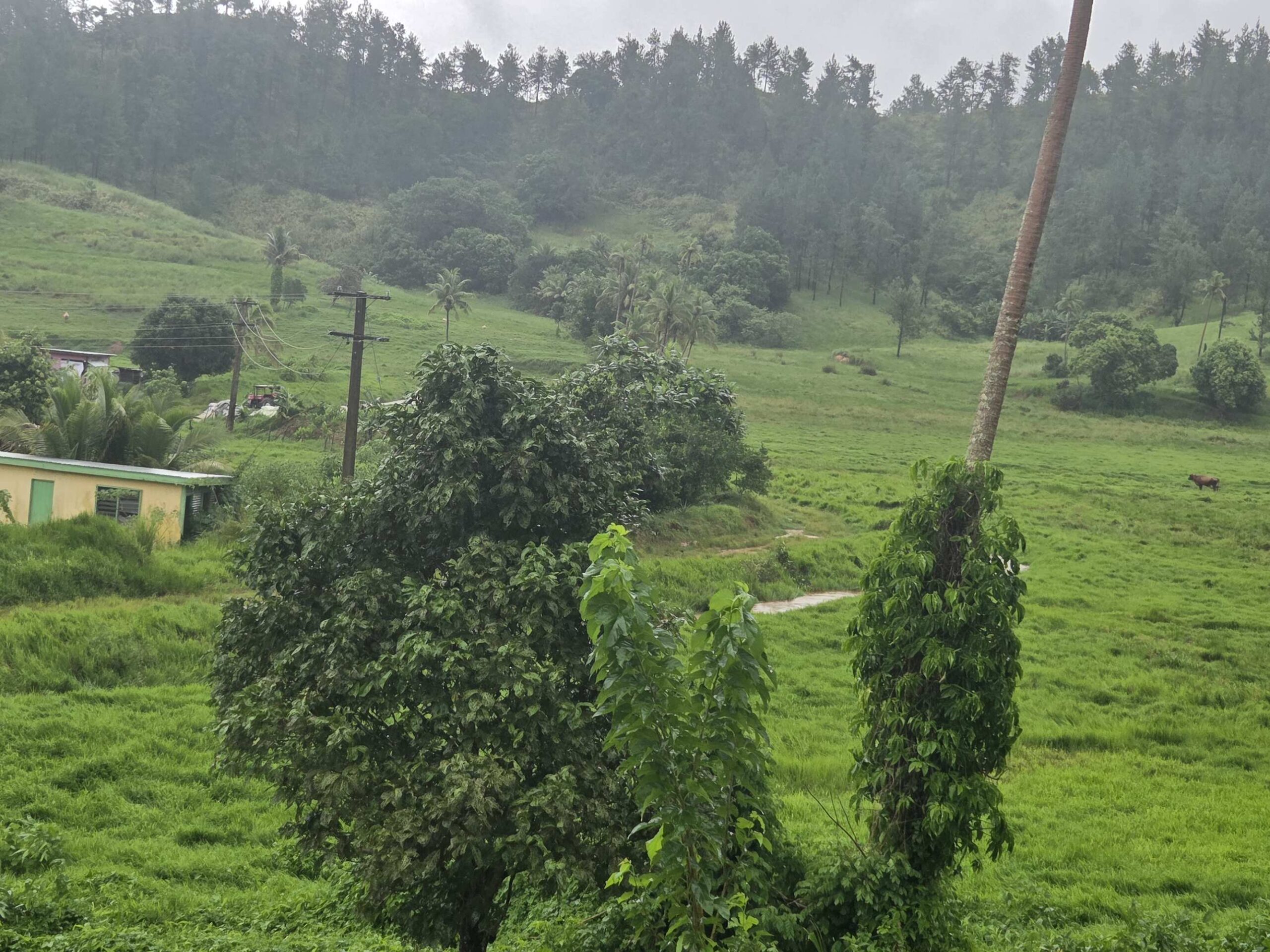
This shift tested our adaptability, but the hospitality and our drive kept mangrove insights flowing.
Honoring Community Mourning
Data collection paused due to a death in Wainikoro Boca, this small remote village where people live like one big family, my hosts and all community families focused entirely on funeral arrangements. The funeral took place on Saturday, February 28th, halting all surveys out of respect for their traditions and the families’ convenience. Another ritual on Sunday gathered everyone again, so Epeli and I used the time to analyze data from Wavuwavu and Vunivutu; after our previous hectic schedule, this break refreshed our spirits.
Fieldwork Amid Cyclone Caution
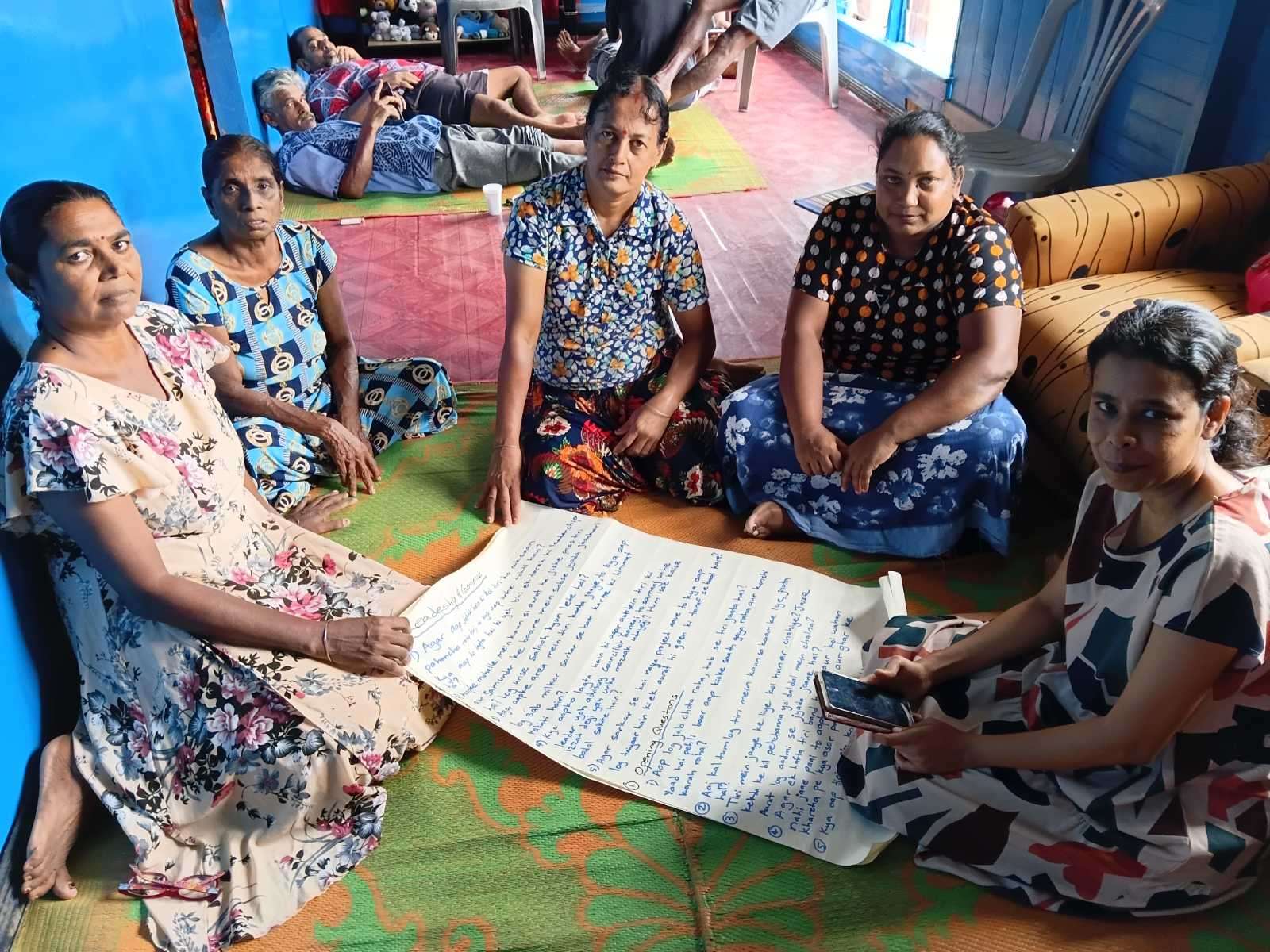
By Monday, March 2nd, TC Urmil tracked far from Fiji’s islands though schools closed nationwide as precaution. The morning sky hung cloudy but without rain or strong wind, allowing me to conduct household surveys at a few nearby homes despite the subdued atmosphere. In the afternoon, my host kindly invited community members for focus group discussions right at our homestay, the wind and heavy rain began only as participants arrived, testing our resolve yet yielding invaluable insights.
Women’s Mangrove Insights
Most women had lived in Wainikoro Boca over 20 years, learning fishing from husbands or sons. “I first went to the mangroves after marriage—my husband introduced me,” several shared, noting family outings felt more like fun than necessity. They prioritize farming rice and sugarcane over heavy fishing reliance, with two admitting, “We’re not very familiar with fishing or gleaning, but we accompany our husbands for fun.” One participant added, “It was my son who taught me,” while they mostly catch “moci” (small prawns) in mangroves.
Farmers’ Saltwater Struggles
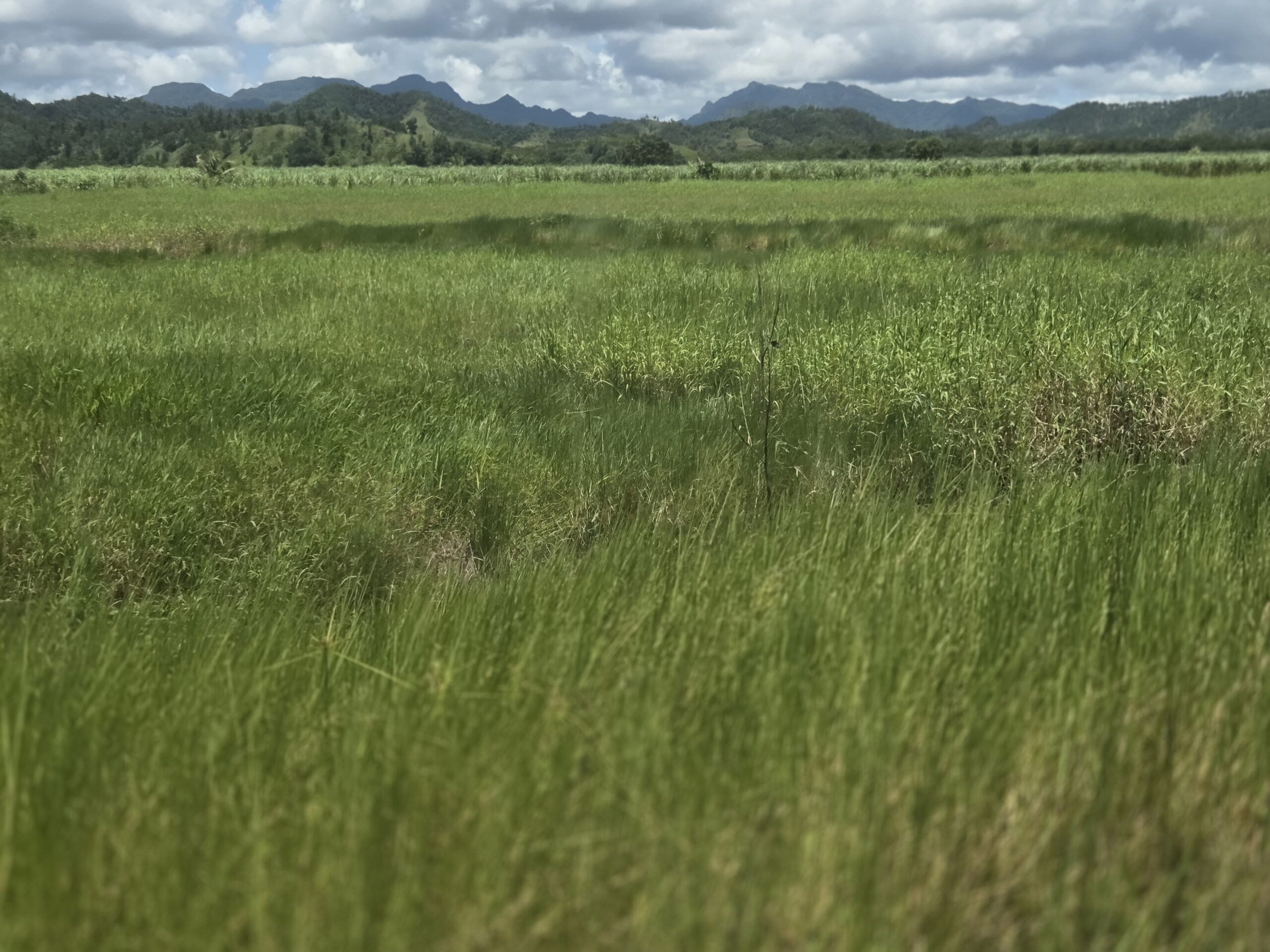
Floodgates malfunction, opening 6 hours then closing, worsening inland flooding that drowns crops. “Our farms are on low land with constant saltwater intrusion,” farmers explained, worried about declining sugarcane yields. “Yes, we’re concerned, sugarcane is our main income; saltwater makes land infertile,” one said, noting psychological strain: “When sea inundation hits, it affects our minds too.” They now use more fertilizers, hiking costs as saltwater levels rise compared to 10 years ago.
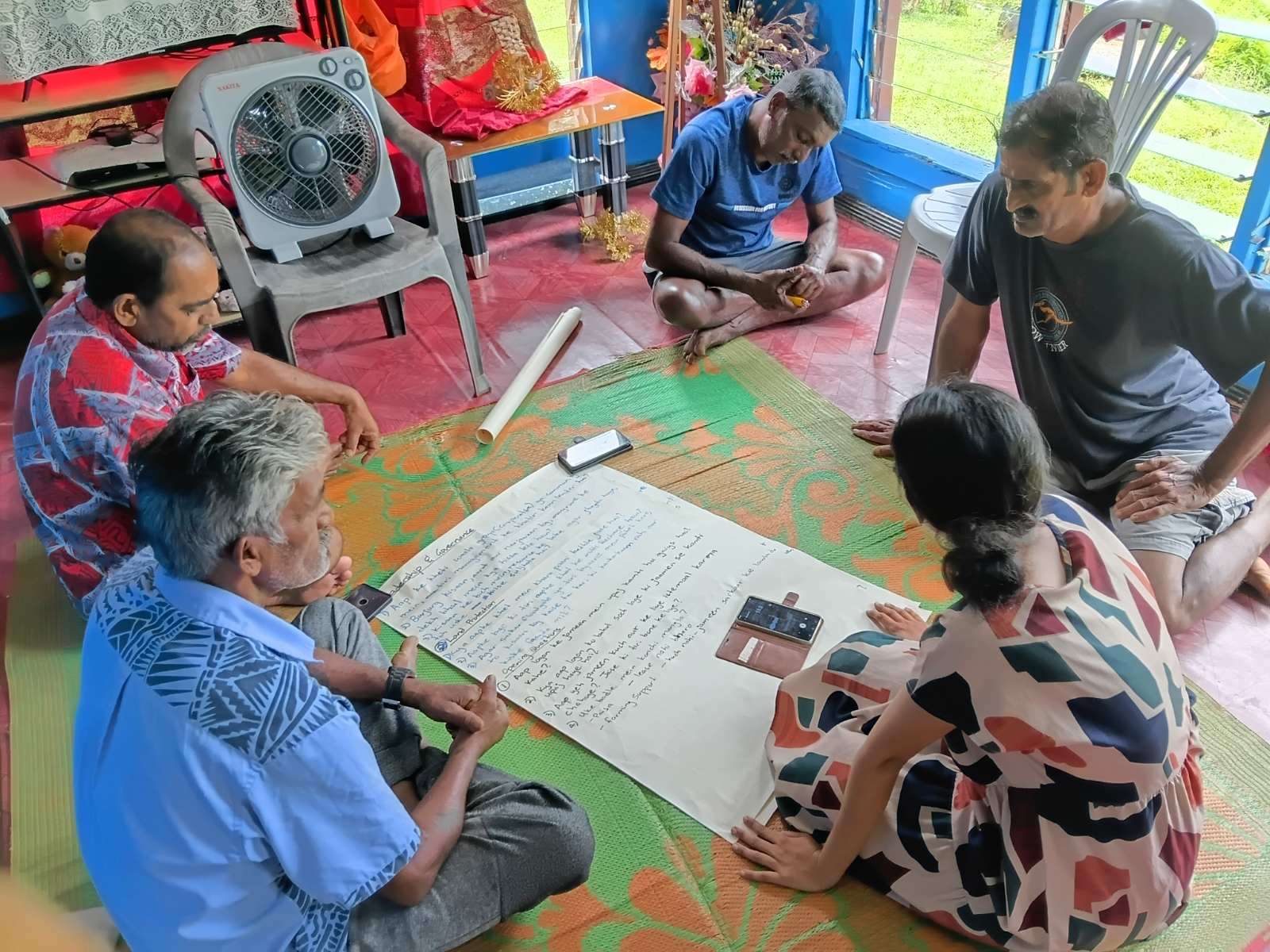
Fishers’ Traditional Knowledge
Fishers learned from parents by observation. “When sugarcane flowers, it’s season for silasila, oqo, and flying fish,” they noted. Historically, CSR company cleared mangroves for railway lines and locomotive fuel, causing massive destruction. They mentioned that they mostly fish for subsistence use, “Fishing is our main source of protein especially during off crushing season.” The fishers also narrated memories of seeing hammerhead sharks in Wainikoro River.
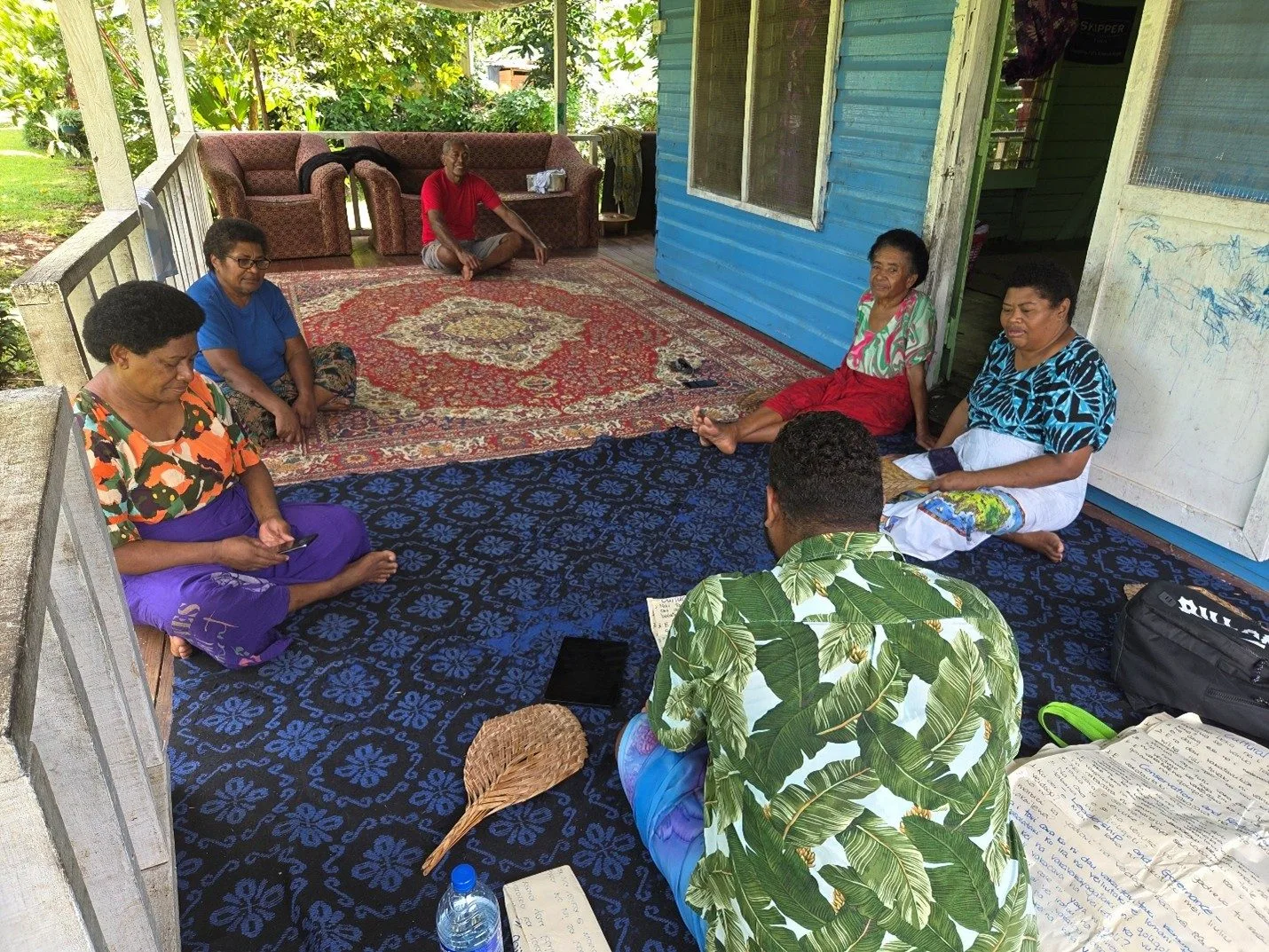
Unforgettable FGDs Amid the Storm
I’ll never forget holding our focus group discussions as TC Urmil passed nearby. Women, farmers, and fishers came despite the wind and rain, sharing openly about mangrove benefits, traditions, and strength against climate threats. We finished all sessions that day, turning tough weather into valuable stories from the community.
Moving to Mouta Village
After wrapping up in Wainikoro Boca, we moved to Mouta village next, a small community of just ten households heavily dependent on mangroves. On Monday, we called the Turaga ni Koro to check if we could visit post-cyclone; he welcomed us warmly, saying, “We’ll wait for you on Wednesday, March 4th.”
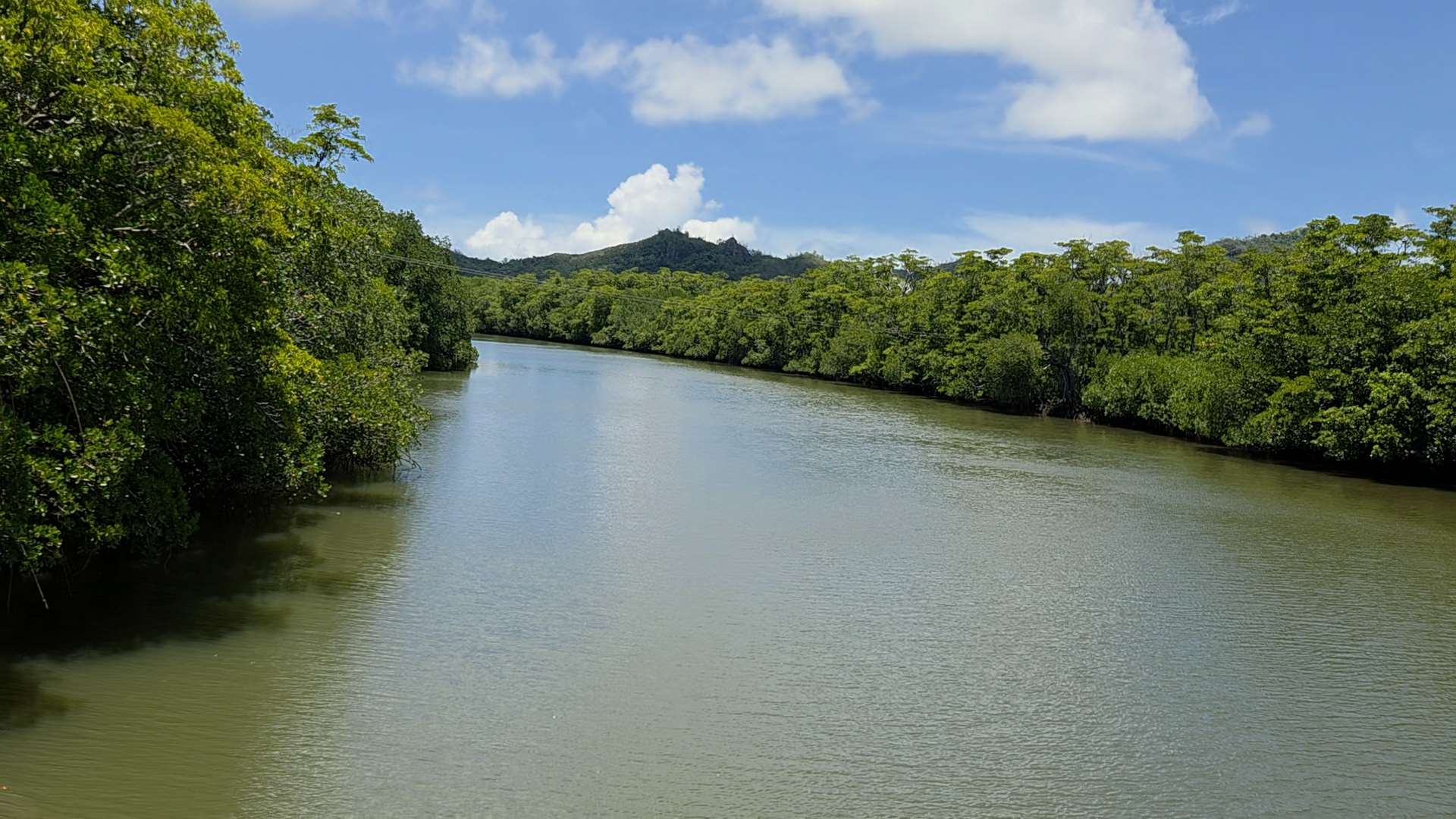
Generous Welcome at Mouta
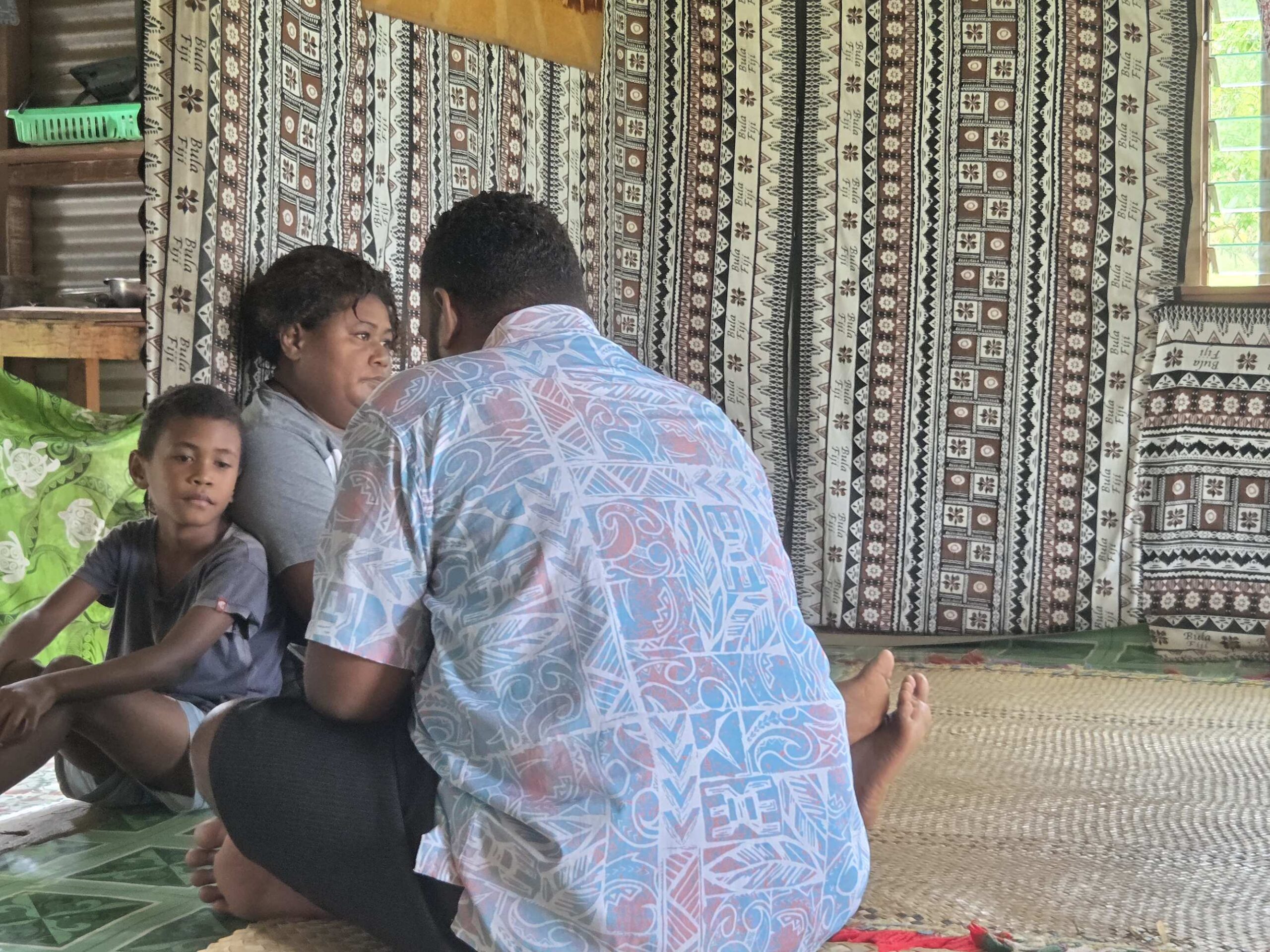
Our transport picked us from the homestay and dropped us at Mouta, where the “friendly north” spirit shone again. The Turaga ni Koro took a day off just to help, seating us in his living room, what a generous person. He invited two women for household surveys; they greeted me fluently in Hindi (their second language after Vosa Vakaviti), making me feel right at home.
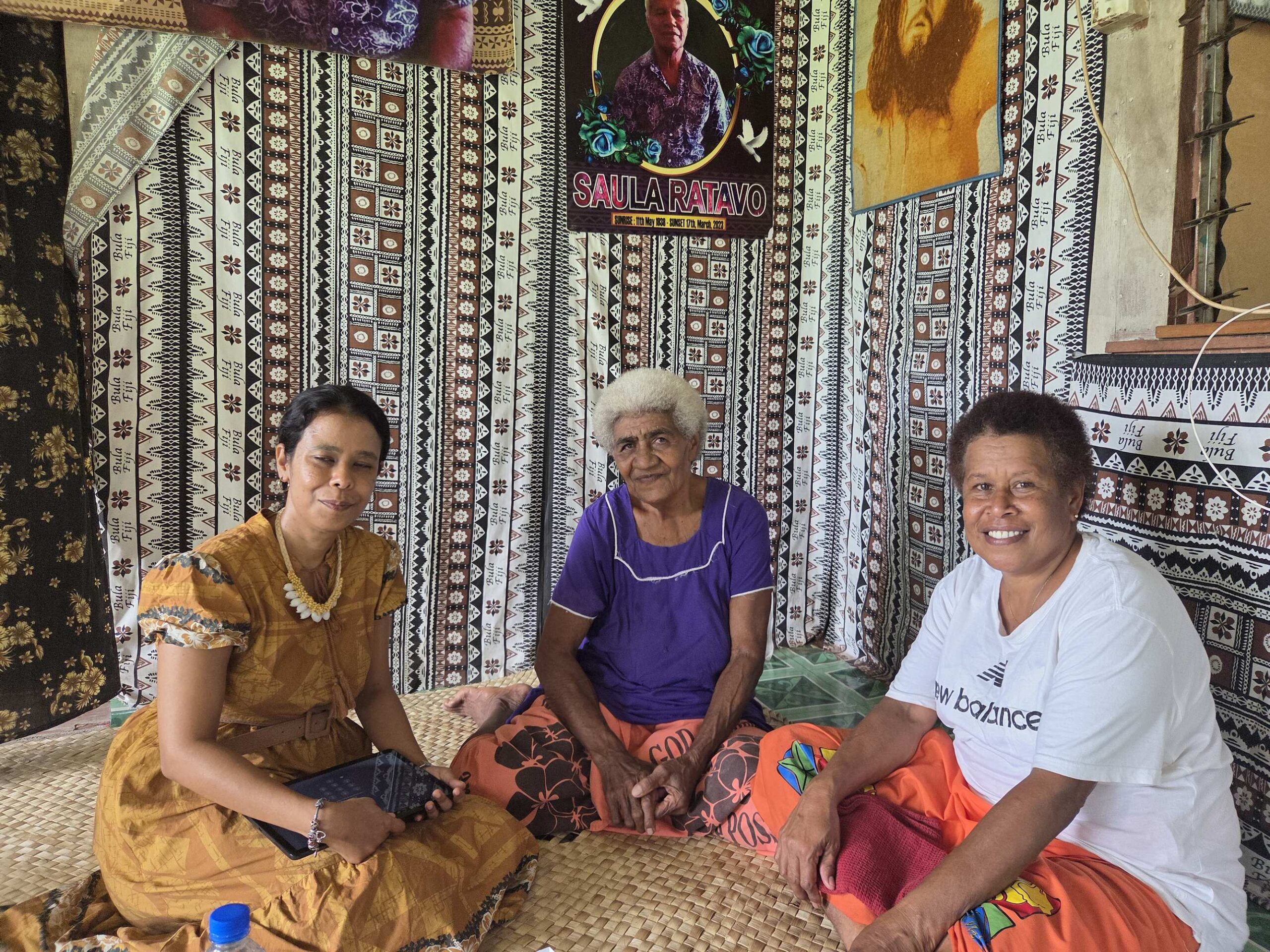
Thoughtful Hospitality
Post-interviews, they served yummy Babakau with butter and lemon tea, divine, even though I was full, I couldn’t resist. More surveys followed, leading to an all-vegetarian lunch; they were so considerate of my dietary needs. I met a lady who became like a mother to me, no longer a stranger, truly home.
Rich FGD Insights
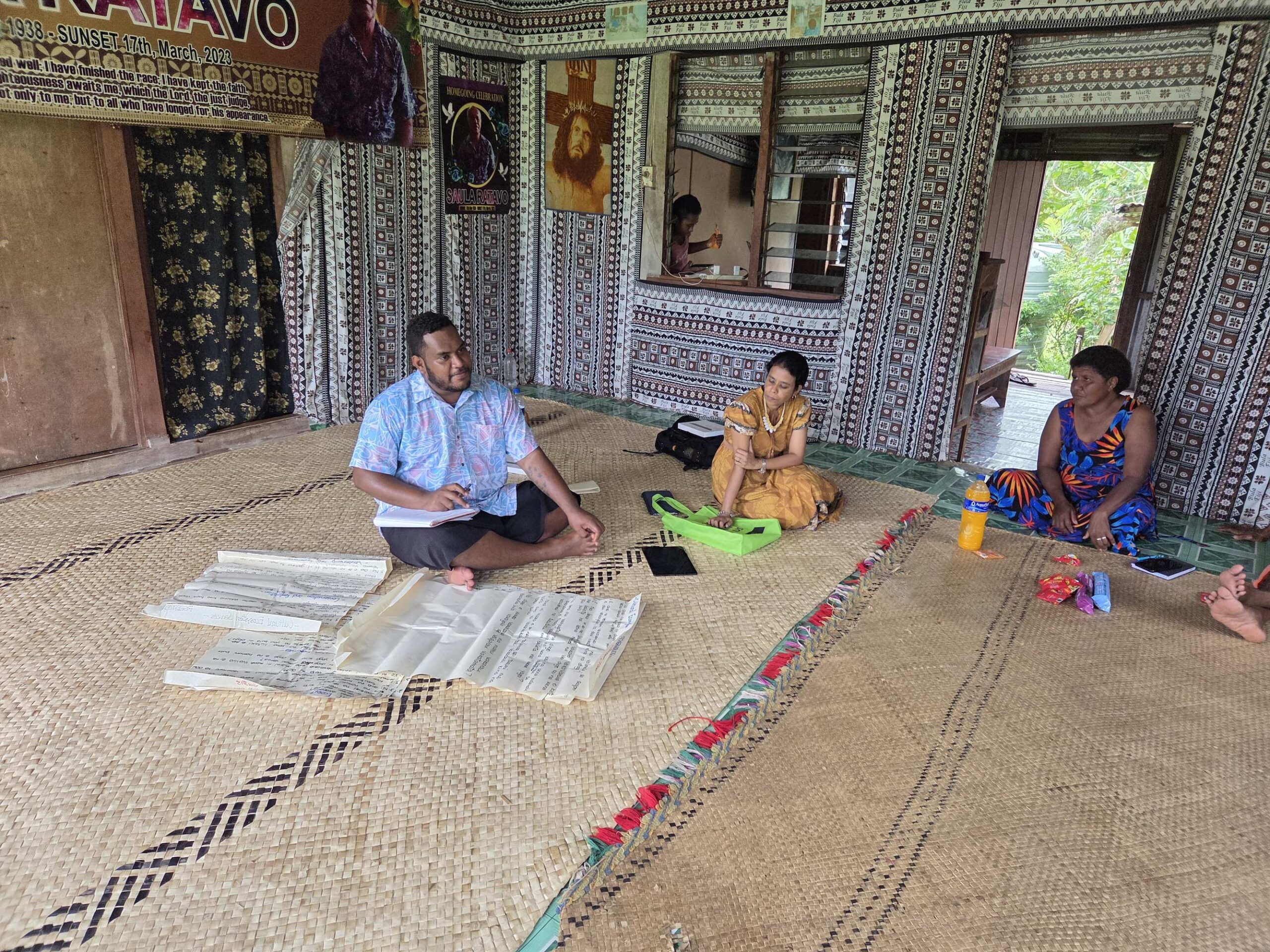
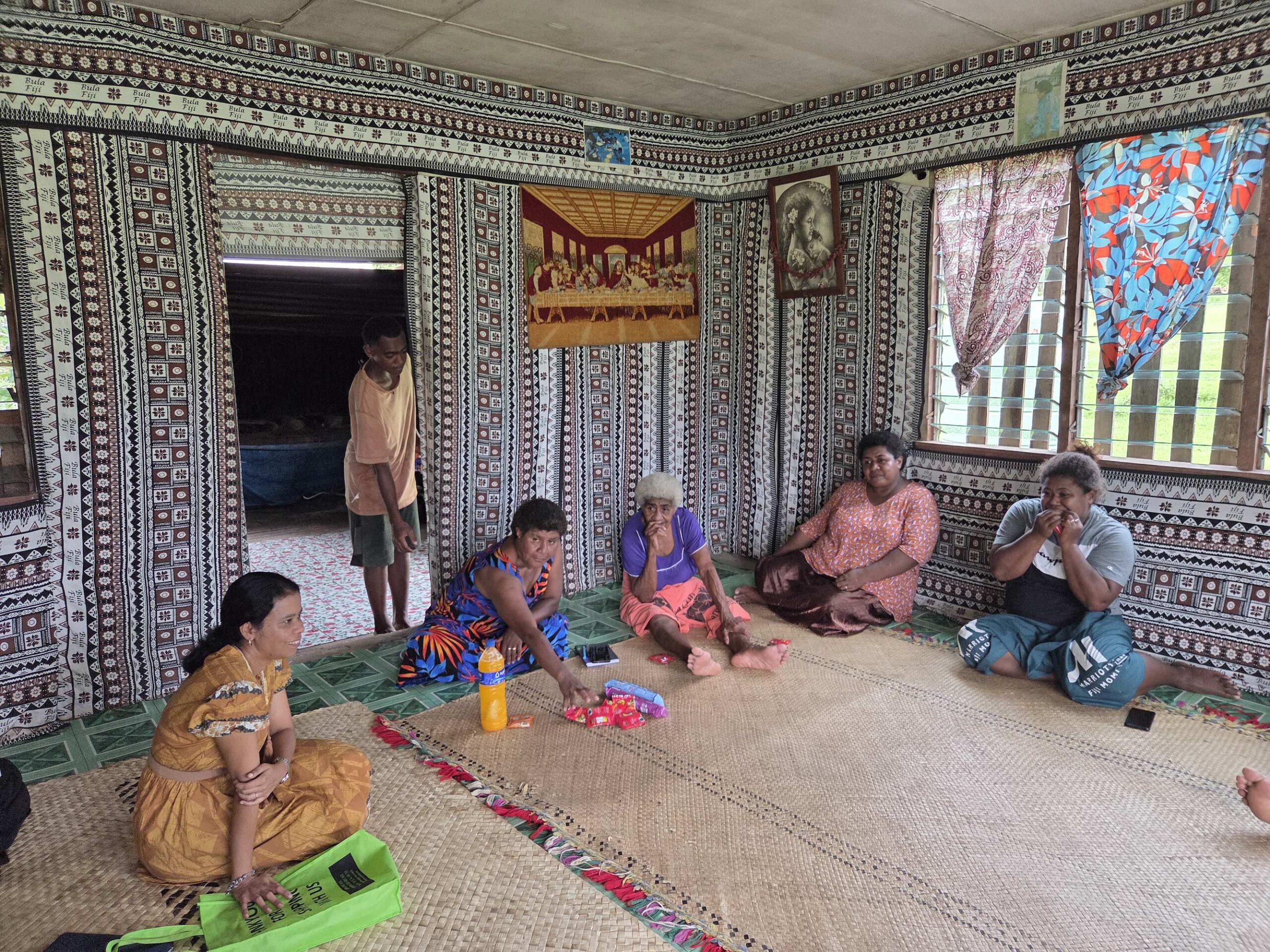
After afternoon breaks and more interviews, the Turaga ni Koro arranged focus group discussions (FGDs), one after another. We gained great insights, new knowledge, funny stories, and emotional ones too.
Elders and Leaders on Traditions
“Mangroves benefit us in many ways, in Mouta, we gather dead wood (kau madu/kau mamaca) struck by lightning for fuel; it’s our tradition,” they shared. No sacred mangrove sites in village boundaries, but Nadogo district’s qoliqoli (traditional fishing grounds) are sacred, governed by Tui Nadogo. Nuqa fish season (Nov-Jan) once followed yavirau (coconut leaf net fishing) for qoli vakayabaki events, but modern licenses allow overfishing anytime.
Youths’ Call to Action
Youth voices often go unheard, so they urged starting community mangrove projects for conservation to gain elders’ notice. With training and tools, youths can monitor long-term and plant mangroves, understanding benefits to stay committed.
Women’s Mangrove Roles
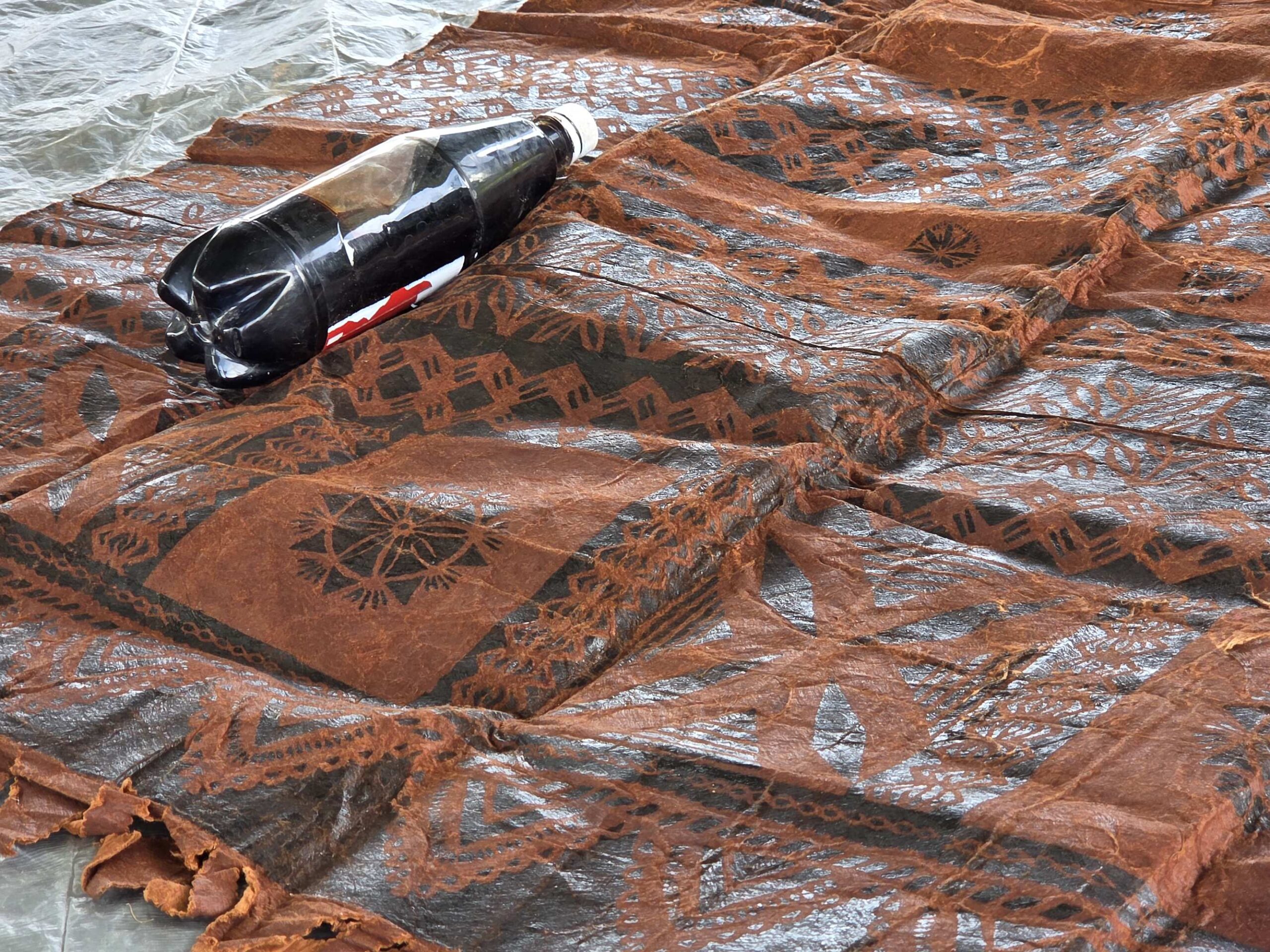
Women use mangroves traditionally: collecting dye for sale/subsistence (home decor, masi printing), fishing crabs/shellfish, making garlands, conserving per custom, and traditional medicines to avoid hospital costs. They teach youth by example, preparing dyes/medicines visibly. Incentives or alternative income would empower protection; they care for future generations despite challenges like climate-disrupted patterns, domestic duties, marine taboos, forestry bans without permits, and limited awareness.
Fishermen’s Changing Practices
Two Nadogo islands are taboo (protected since 2023/2024 by vanua, lotu, WWF, government), marked by a feast, future talks post-taboo. Traditional methods faded; now they use nets, spearguns, spears, handlines.
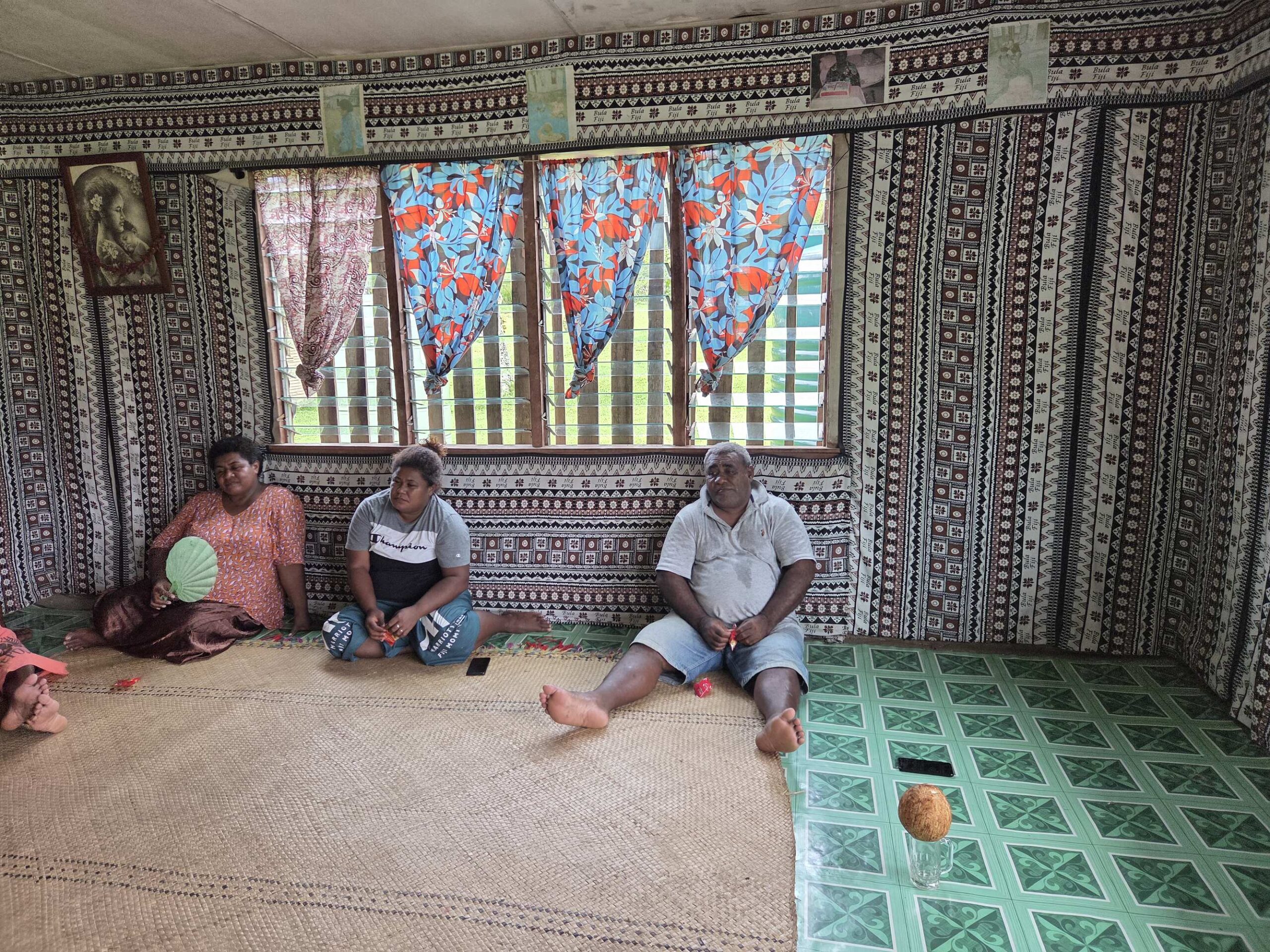
This day in Mouta blended heartfelt connections with deep mangrove knowledge, fueling my PhD on ecosystem valuation and resilience.
With Wainikoro Boca and Mouta now complete, four sites total in just two and a half weeks. Epeli and I felt happy and relieved at our steady progress under Project Halo. This success motivated us for the final two sites closer to Labasa town. I was eager to compare how mangrove values and resilience views differed between remote villages and town-dwellers, onward with fresh energy!