
Homecoming in Rakiraki: Wrapping Up Fieldwork in Nanuku and Togovere
Finishing a month of research in Vanua Levu left me energised—and ready for the next chapter. On 22 June at 7 am, I left Viti Levu with Epeli, who was just as excited as I was. We took the three-hour drive via the Kings Road to Togovere Village, our first stop, where I dropped Epeli with the Turaga ni Koro of Togovere. He was welcomed by a lovely family and seemed very happy to settle in. From there, I made my way to my homestay in Tavua to spend the day planning for data collection.
Setting the stage: planning, protocol, and people
Back in Tavua, I used the first day to map out the week: confirming contacts, aligning on interview schedules, and preparing survey materials. I also reached out to the Advisory Councillor of Nanuku, who was super helpful from the very first call—offering guidance on the best times to visit households, suggesting key community members to speak with, and helping us navigate local dynamics. That early coordination made a real difference once we hit the ground.
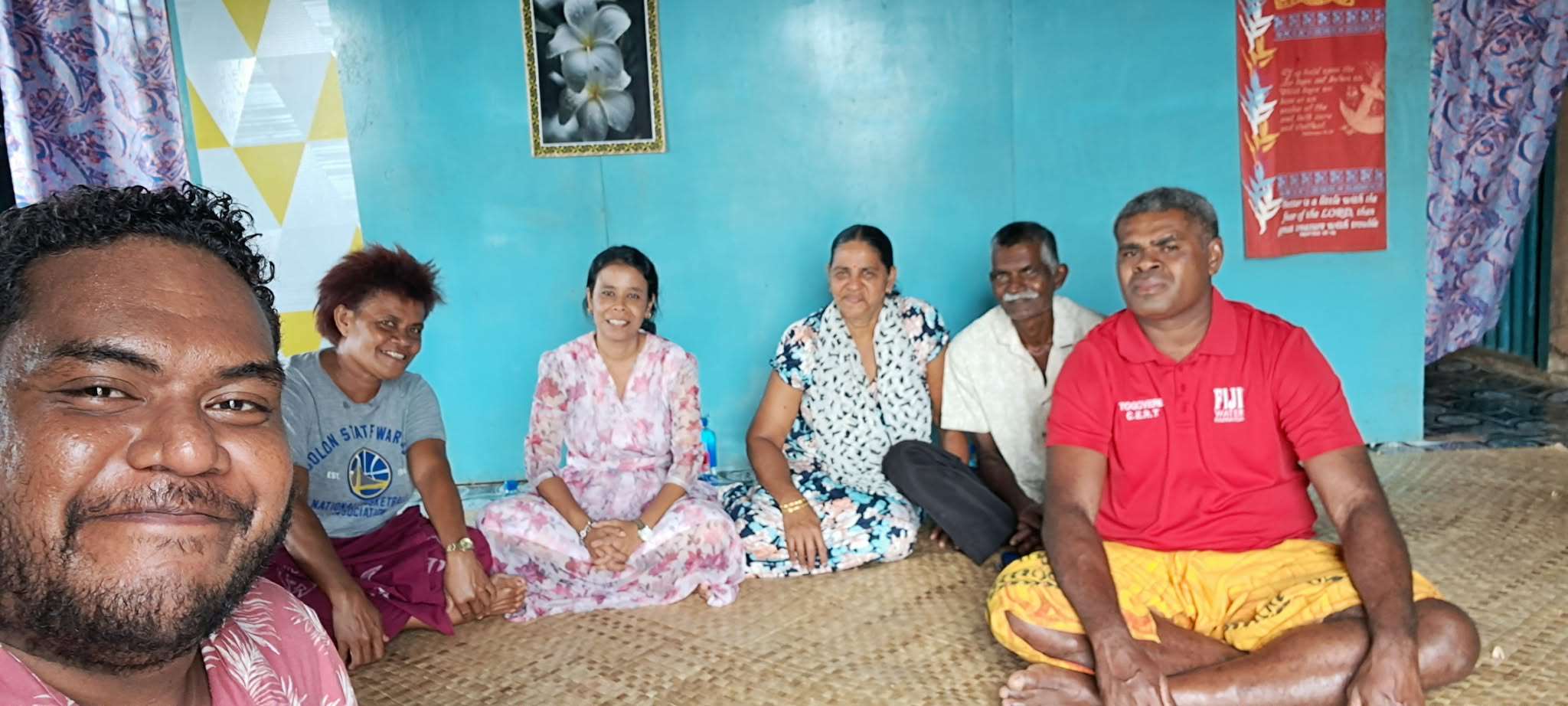
In Fijian fieldwork, small acts of respect go a long way. Presenting sevusevu and following village protocol isn’t just formality, it’s how you signal that you’re a guest who values the community’s time and trust. That foundation made everything that followed smoother and more meaningful.
Dividing the work, doubling the impact
The next day, Epeli began his household interviews in Togovere while I started mine in Nanuku. We decided to divide the work to make communication easier and to respect the ethnic diversity in both communities. In practice, this meant tailoring our approach to each village’s context, being mindful of language and cultural nuances, and ensuring that participants felt comfortable sharing their experiences.
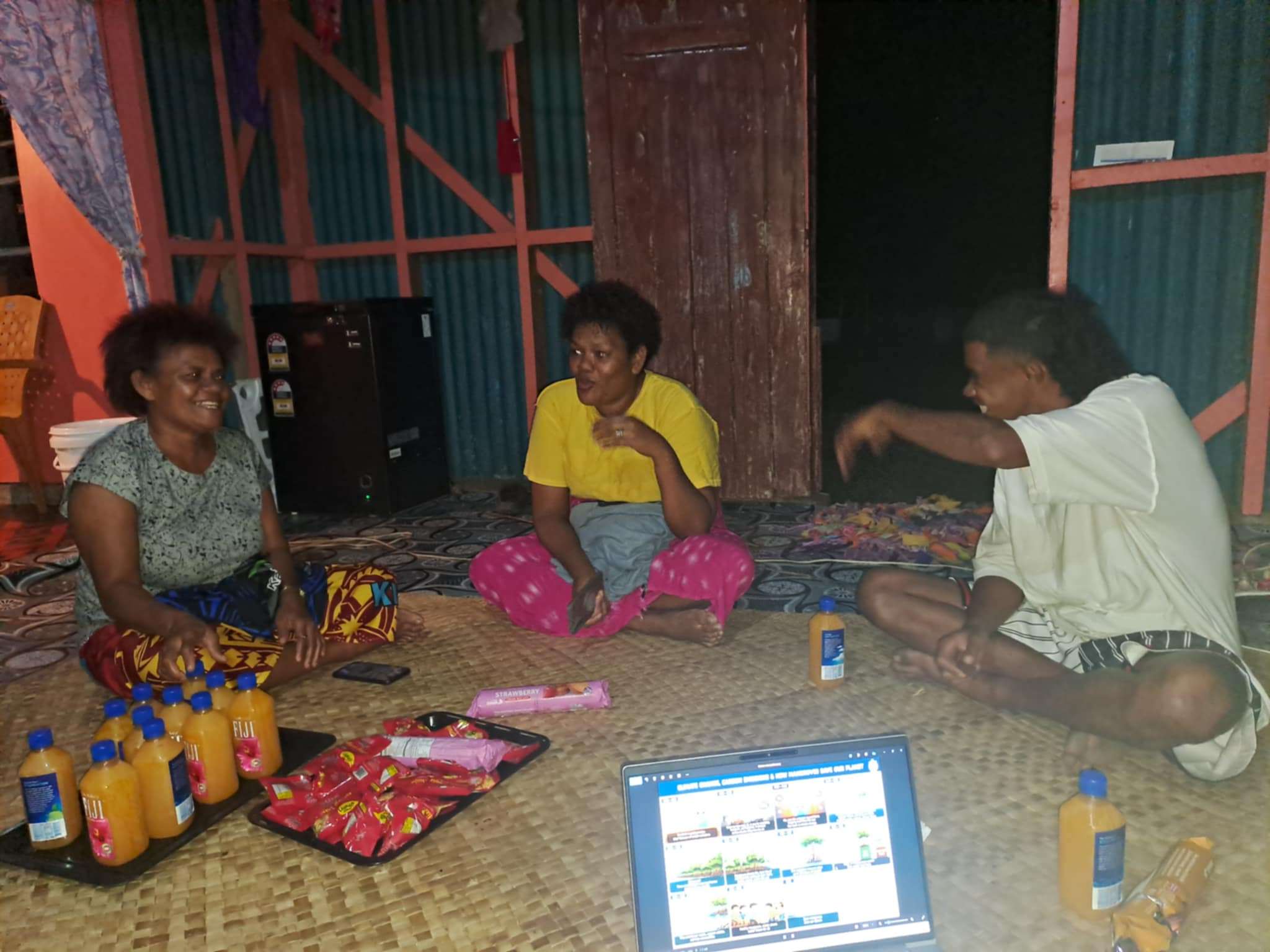
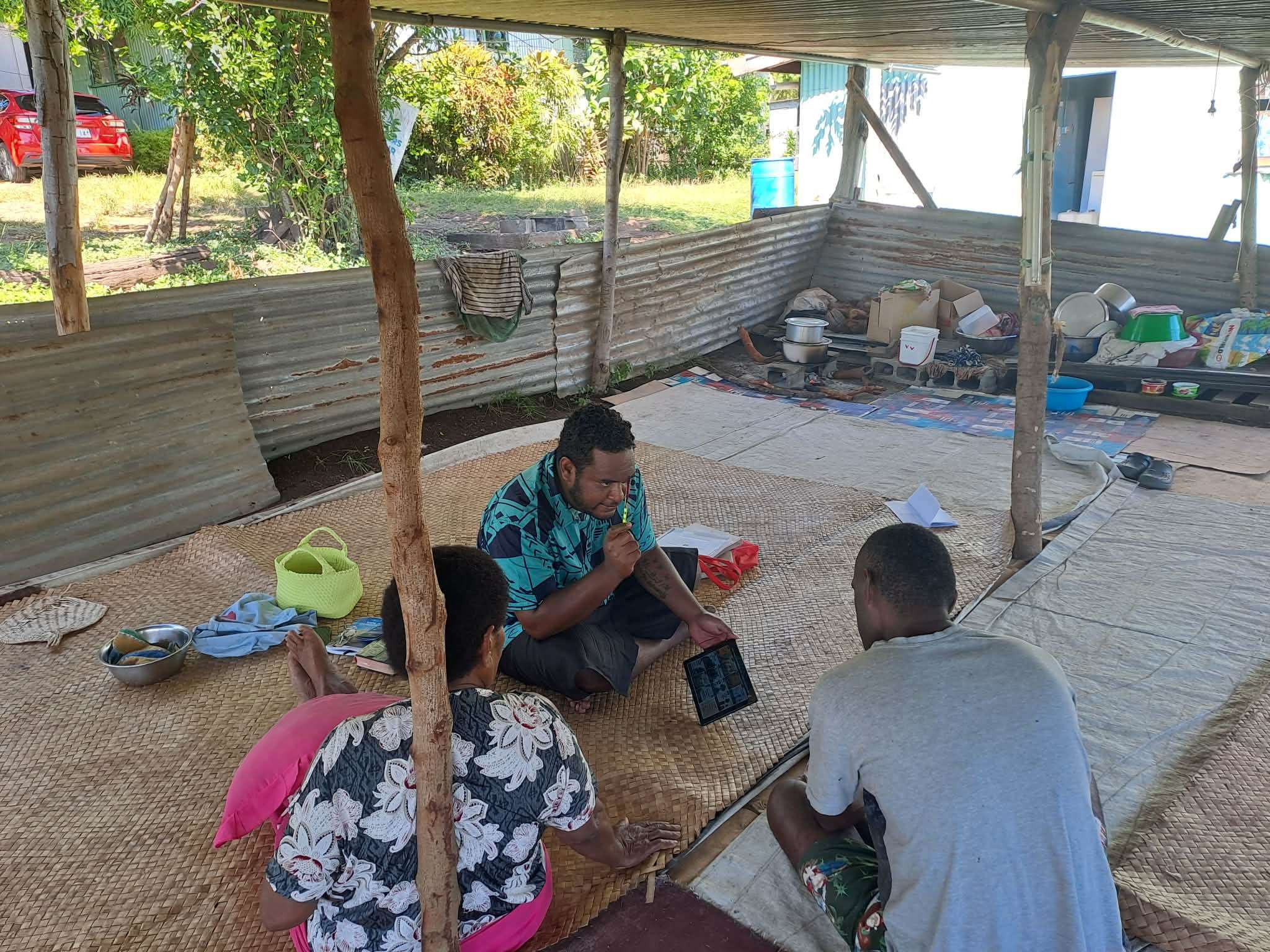
I hired a car which took me around, and thanks to that mobility and the warm cooperation of residents, we managed to complete the maximum number of household surveys and focus group discussions (FGDs) in both Nanuku and Togovere. Some days were long, with back-to-back interviews and travel between settlements, but the rhythm felt right: listen, learn, adjust, and keep moving.
A fieldwork homecoming
Being from Tavua, returning to Nanuku and Togovere in Rakiraki felt like coming home. I met many familiar faces, and the people were super cooperative throughout. Conversations flowed more easily because there was already a sense of connection, people knew my family, or knew of them, and that shared history helped build trust quickly. It also meant I could move through the communities with a lighter footprint, relying on local knowledge rather than imposing an external schedule.
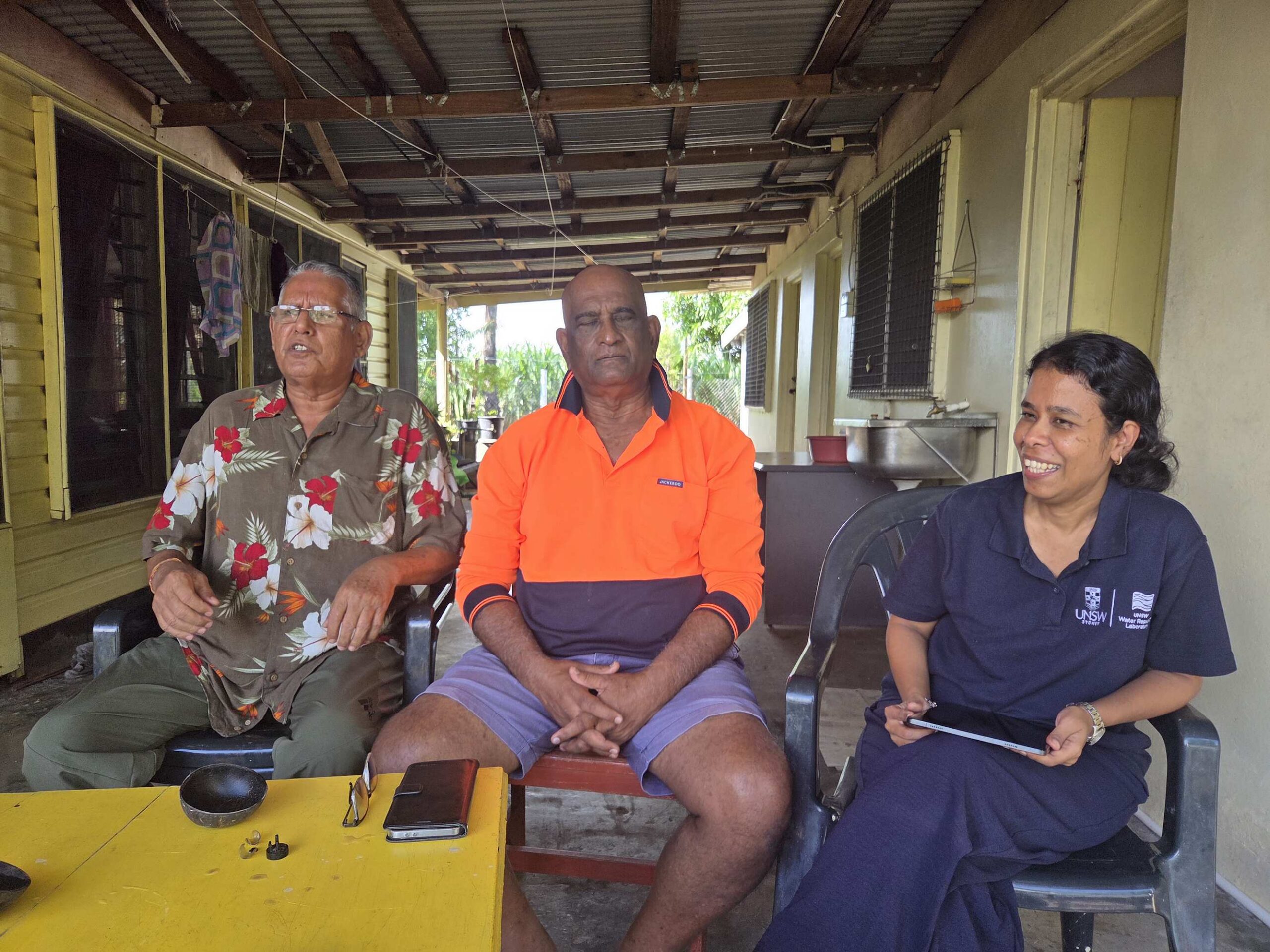
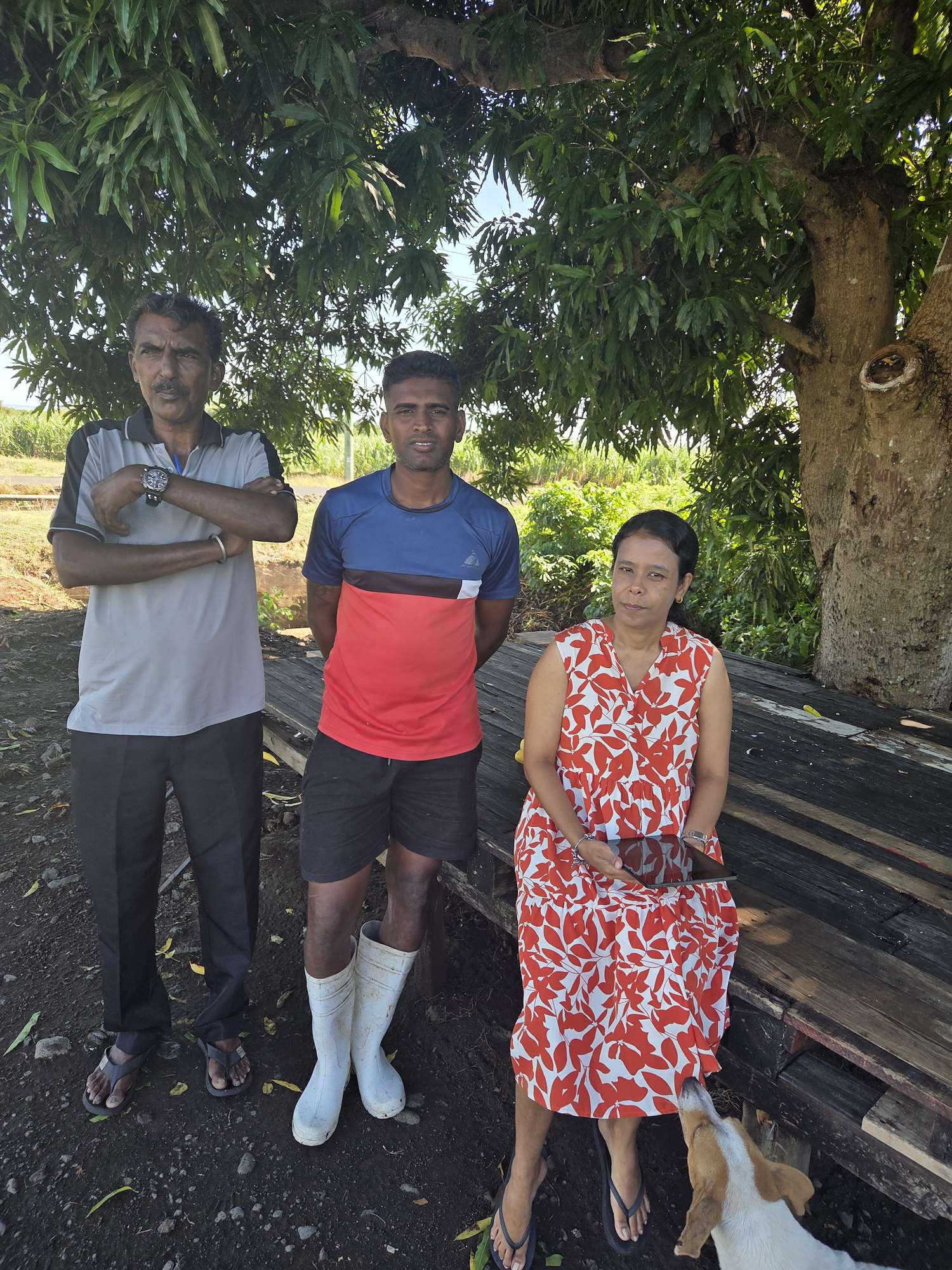
I would like to sincerely thank the Advisory Councillor of Nanuku, who was incredibly helpful from the start, and the Turaga ni Koro of Togovere, who took time out of their busy schedules to support our data collection. Their willingness to open doors, introduce us to the right people, and sometimes sit in on discussions added depth and credibility to our work. Vinaka Vakalevu.
Closing one chapter, opening the next
We returned home on 7 July, marking the close of data collection. Now begins the next phase: data analysis and write-up. This is where the stories from the field take shape as evidence, patterns emerge, quotes find their place, and the bigger picture of community experiences starts to crystallise. It’s also where the responsibility feels heaviest: to represent people’s voices accurately, to honour the time they gave us, and to translate fieldwork into something useful for policy and practice.
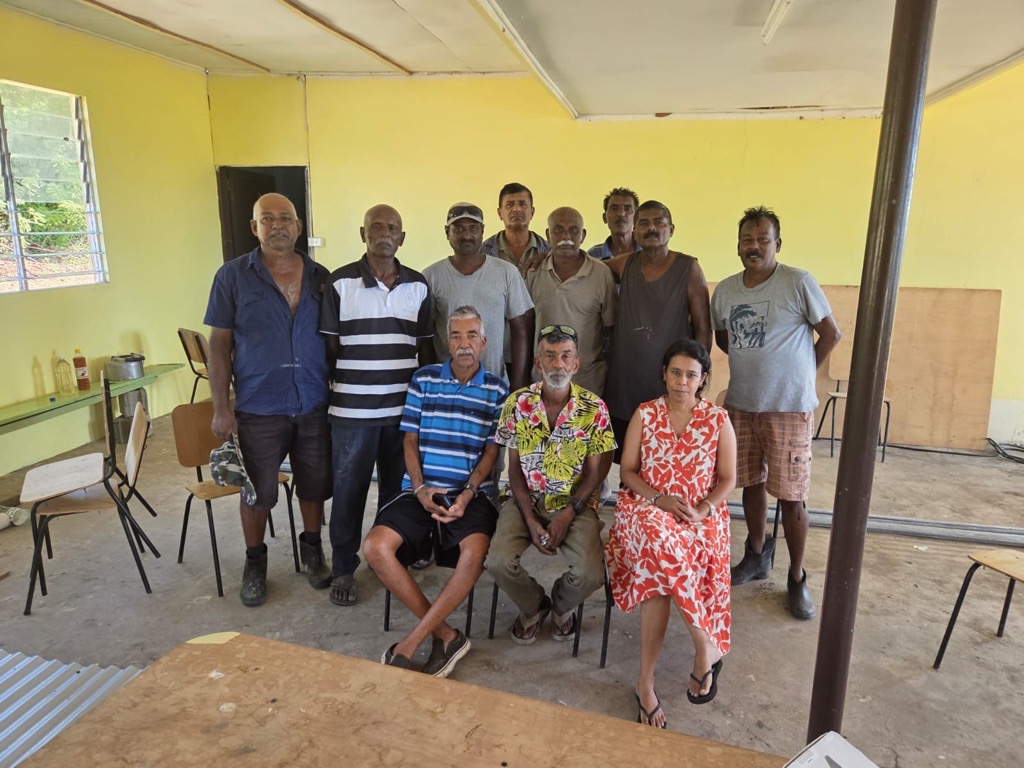
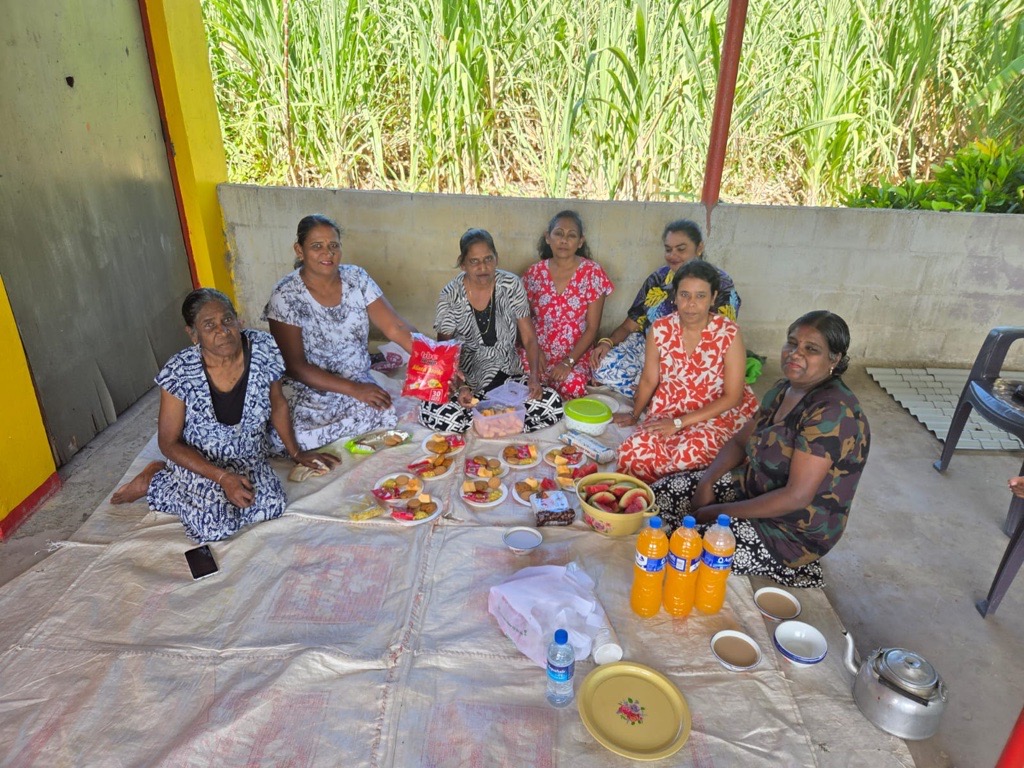
I sincerely thank my team of supervisors for their guidance, my family for their continuous support, and Epeli—who made this possible. Thank you, Epeli, for being a wonderful research assistant and helping me achieve what once seemed difficult. Your calm presence, sharp instincts in the field, and willingness to go the extra mile made all the difference.
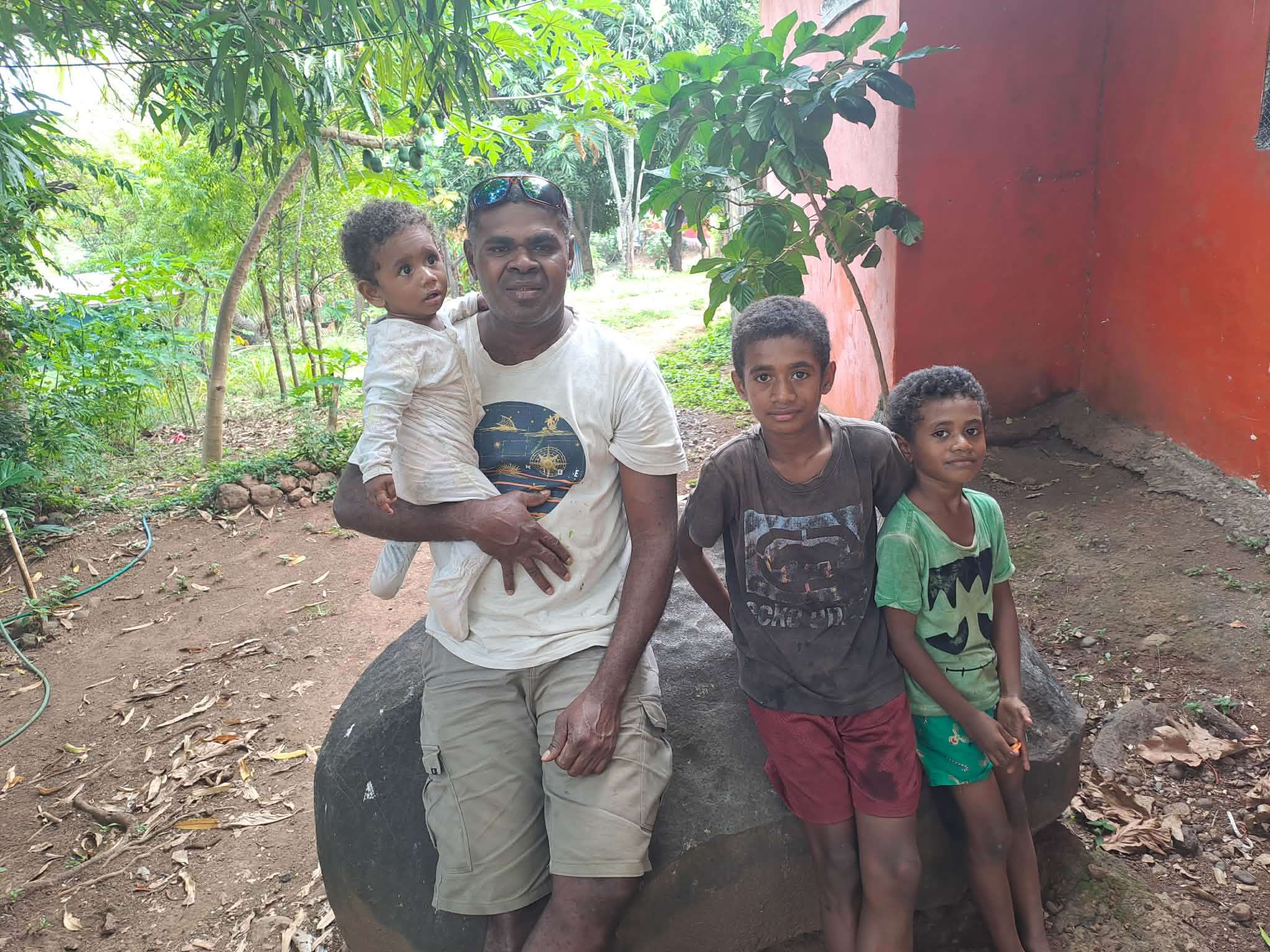
Vinaka Vakalevu, everyone!