
From Vanua Levu to Viti Levu: Two Weeks of Fieldwork, Community, and Project Halo in Ba
Finishing a month of research on Vanua Levu felt like closing one chapter and immediately opening another. On 30 April, I left Viti Levu with Epeli at 7 am, both of us buzzing with excitement for the next leg: a focused two-week research and engagement window across Raviravi, Votua, and Natutu in Ba. What followed was a blend of long drives, warm village welcomes, unexpected AirBnB drama, and the kind of fieldwork moments that remind you why community-based research matters.
The road to Ba, and a quick AirBnB plot twist
Our first stop was Votua Village, a six-hour drive via the Kings Road. I dropped Epeli with the Turaga ni Koro of Votua, a lovely family who made him feel immediately at home. From there, I headed to the AirBnB in Ba, only to find it in poor condition and not quite what we had hoped for.
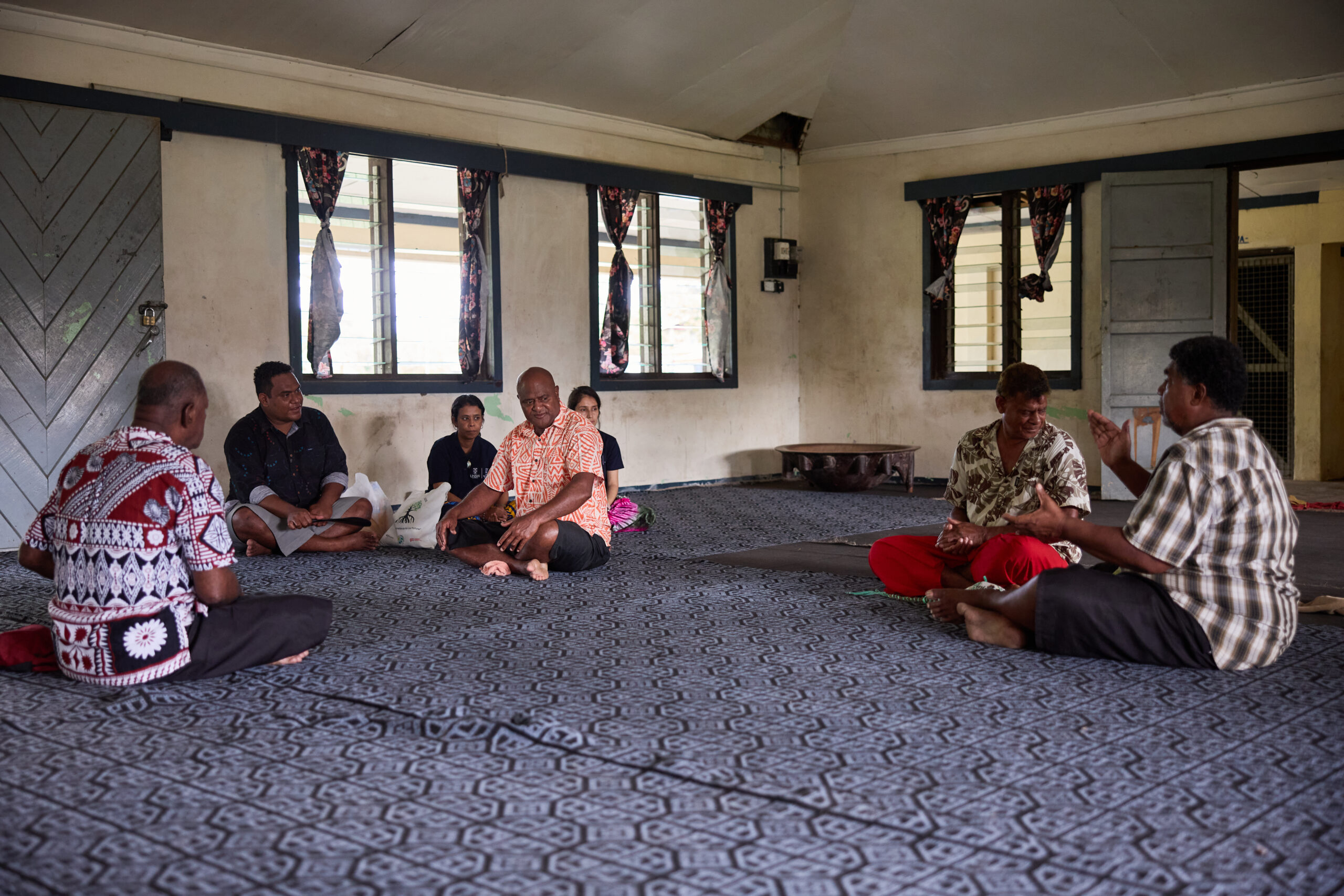
Laura arrived with Richard and Alex, and we quickly decided to book a different place and move. But before the move, we made the most of the morning: Richard wanted photographs of the mangroves at Vatia, so we headed out early. On the way back, we stopped at Natutu and then Votua to present sevusevu and seek permission to conduct household interviews and focus group discussions (FGDs). Both villages welcomed us warmly, a reminder that in Fiji, relationships and protocol come first.
In Fijian custom, Sevusevu (the presentation of yaqona/kava) is the formal “key” to a village. It signals respect, introduces your purpose, and invites the community to host you as guests, not just visitors.
Knocking doors in Raviravi: setbacks, then a breakthrough
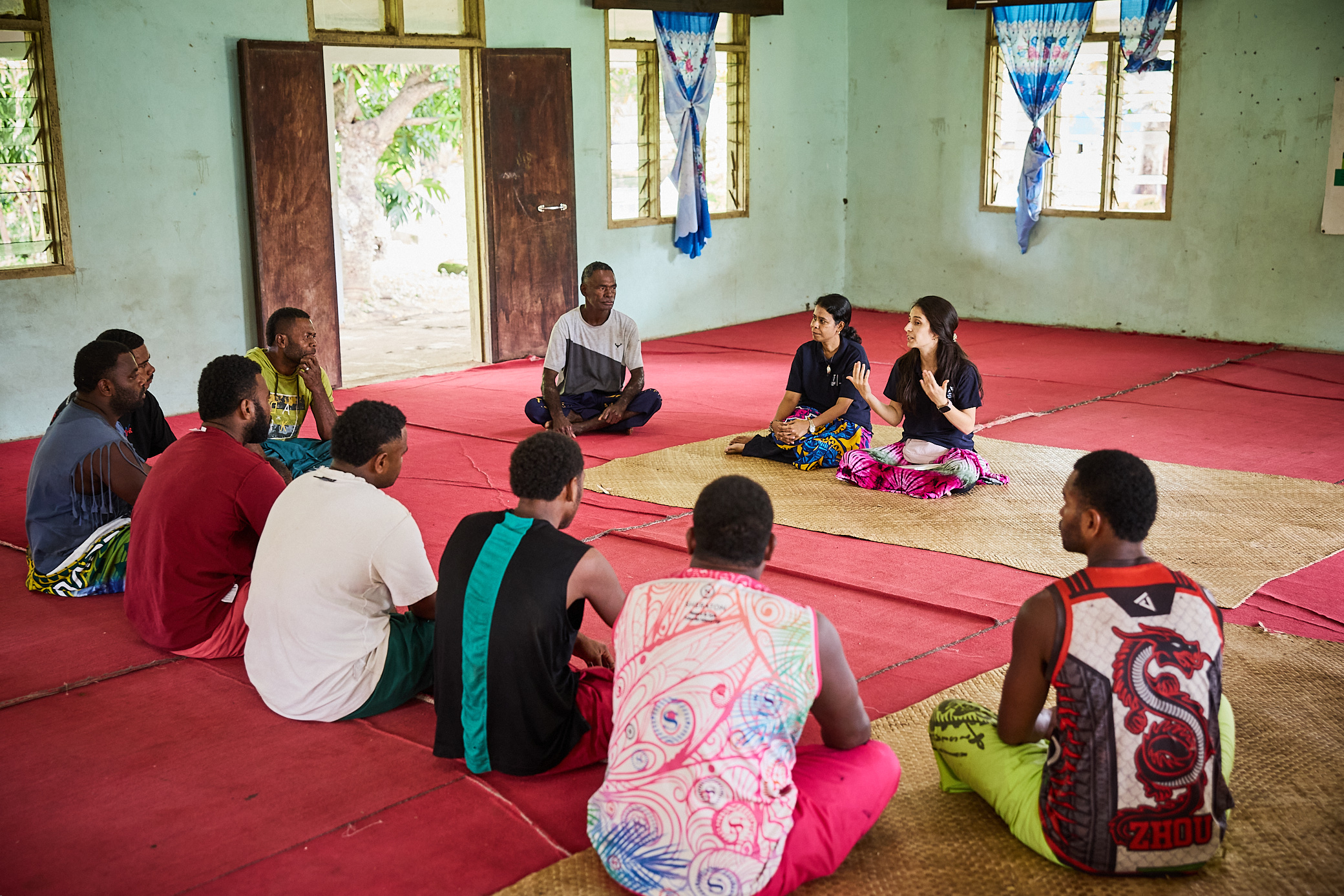
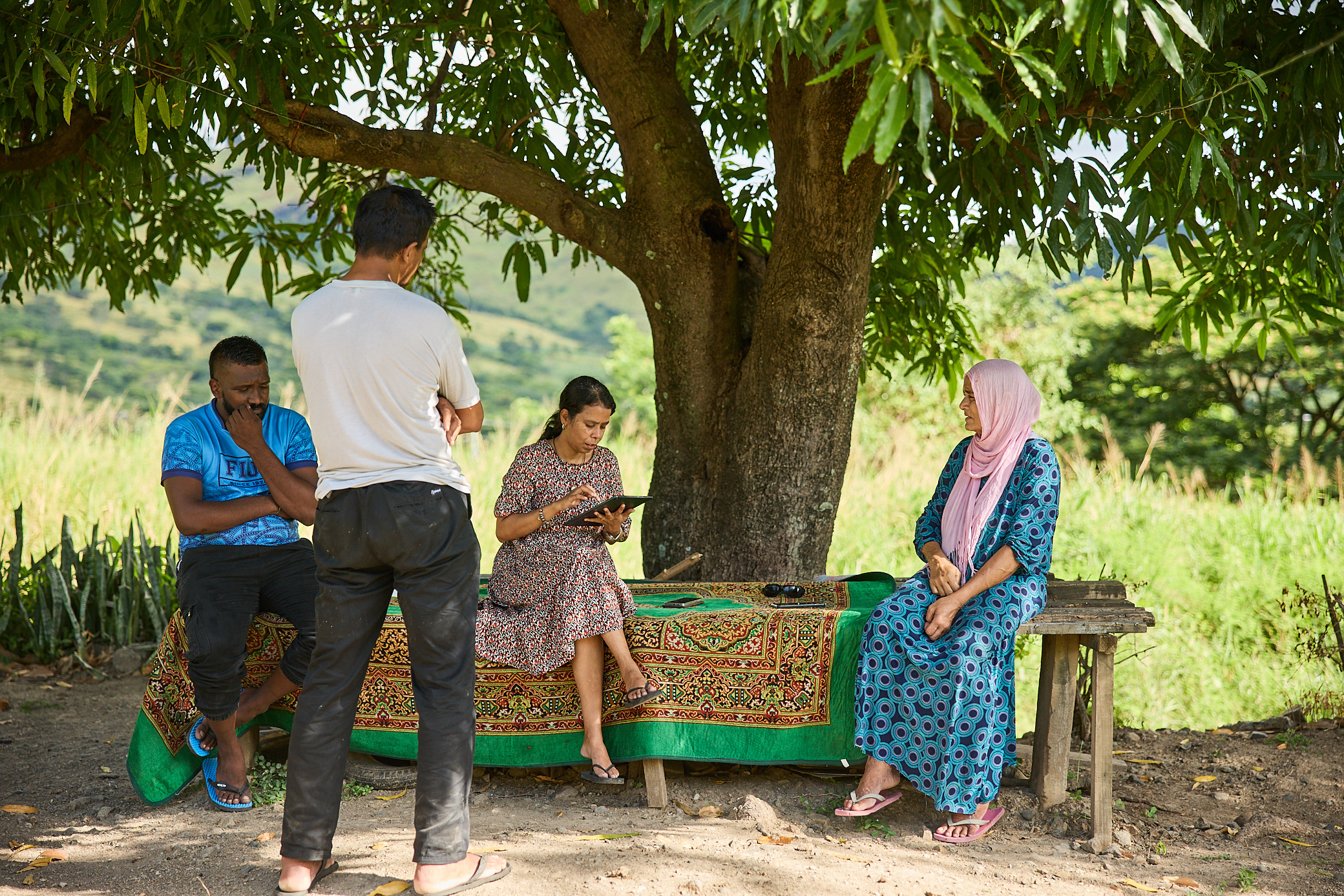
On Saturday, 2 May, we made our way to Raviravi. The Advisory Councillor advised us to begin interviews immediately, so we started knocking on doors. The first few households were a disappointment: they were no longer doing sugarcane farming, which narrowed our target sample. But persistence paid off, we found our first interviewee, a kind lady who pointed us to the next house. That next house turned out to be a farmer-fisher household, and the person there became our great helper for the rest of the household interviews and FGDs.
A half-day with Moveen Ali: saltwater, sugarcane, and change
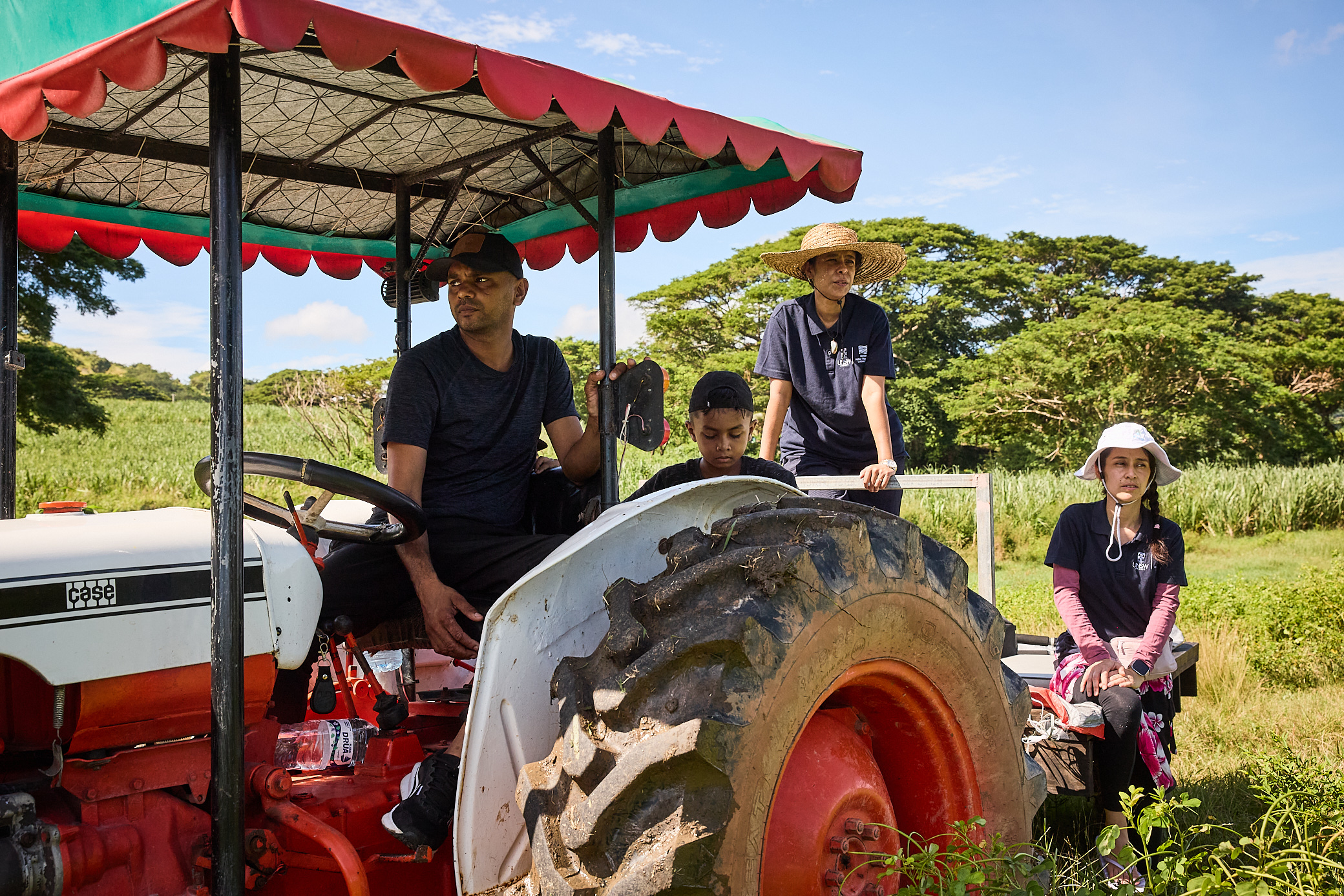
On Sunday, 3 May, Mr. Moveen Ali met us and his son Nafeez took us around Raviravi and the Project Halo site on his tractor. He was an excellent guide, sharing how sugarcane farms have changed over the years due to saltwater intrusion, a pressure that’s increasingly visible along Fiji’s coasts and a key driver behind mangrove restoration and coastal resilience work.
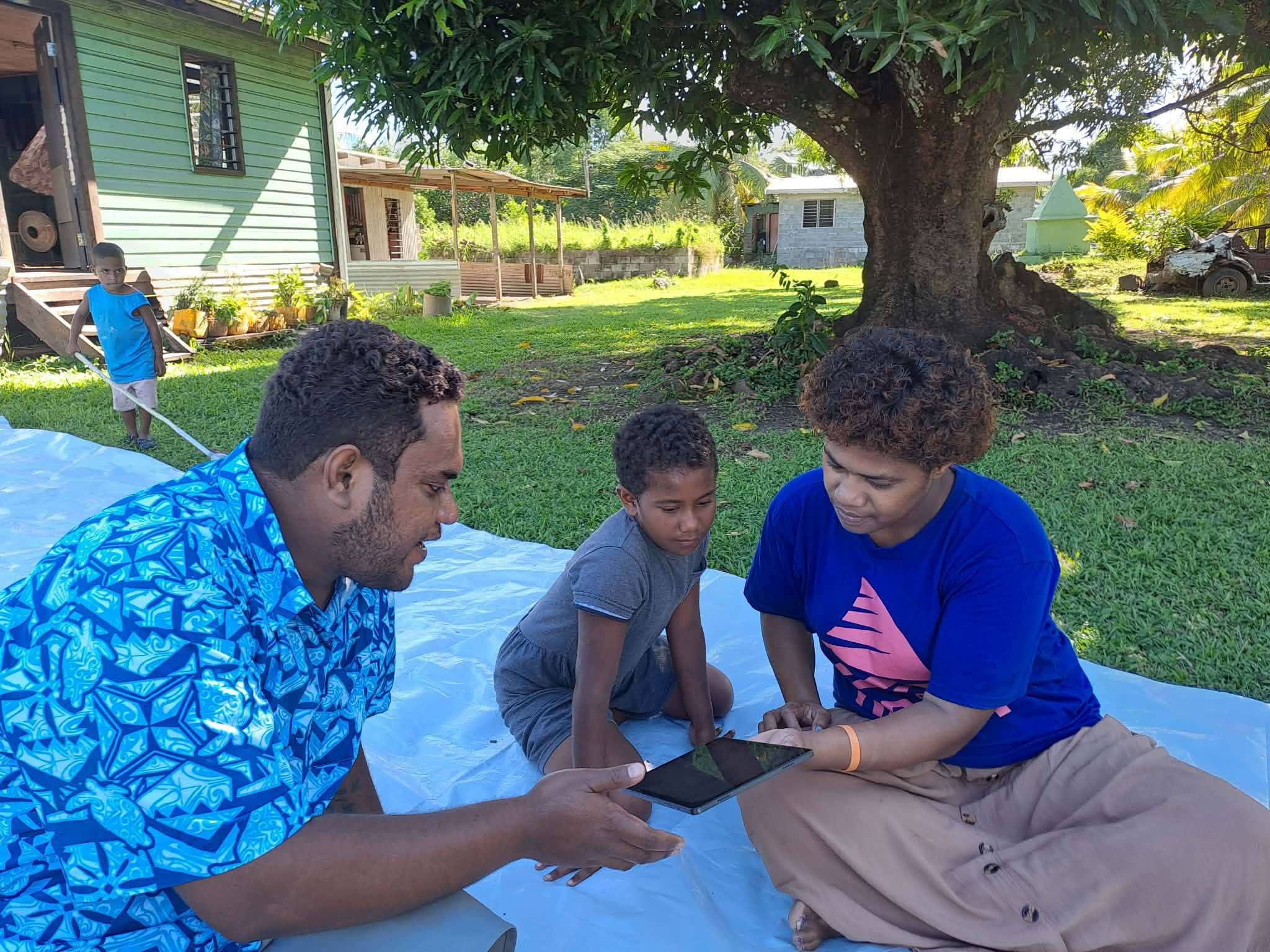
After the half-day trip, we headed to Natutu for more interviews. The rhythm of the days settled into a pattern: early starts, pre-consultations with farmers, identifying targeted participants, and steadily building trust through conversation.
The real challenge: tracking down targeted farm-holders
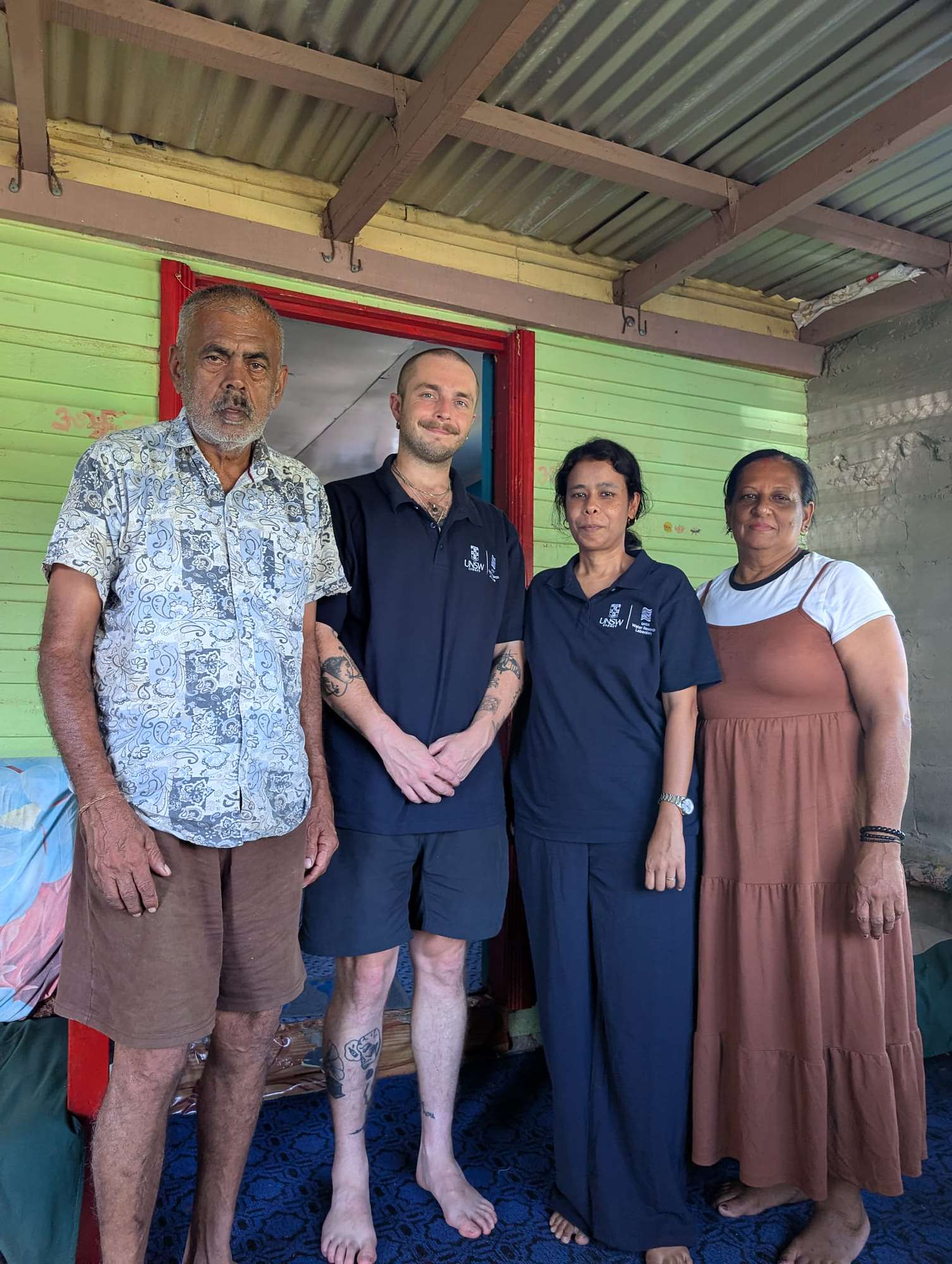
One of the trickier parts of this fieldwork was simply locating all the targeted farm-holders. Some had migrated away from the area for work or family reasons, and others were not well known to current residents, so even when we asked around, people couldn’t say where they might be. This made it difficult to reach everyone on our list within the short window we had, and we had to rely heavily on local guides, repeated visits, and flexible scheduling to fill the gaps. Luckily, Mr Moveen Ali, the Project Halo Community Champion helped us located most farmers.
Dividing the team to cover more ground
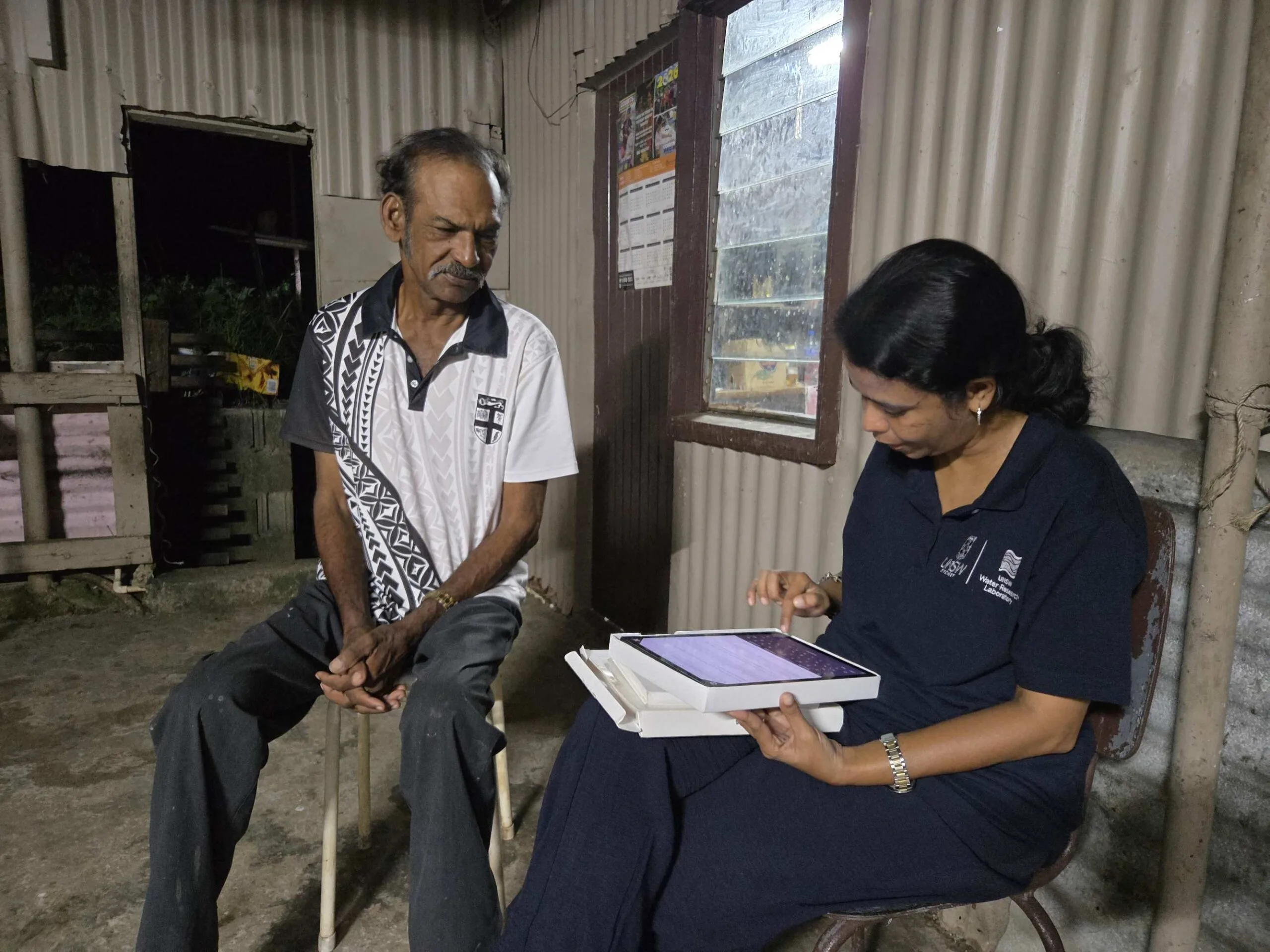
By Monday morning, Laura and I had moved to our homestay, dropped our things, and were picked up by Moveen Ali to meet farmers for pre-consultation. We managed to identify most of our targeted farmers, and things began moving smoothly. Meanwhile, Epeli reported from Votua/Natutu that he was managing well and had started his interviews without issues. Given the distance between Votua/Natutu and Raviravi, we decided to split up to maximize household interviews in a short period. I travelled to Epeli a few times to check in and support where needed.
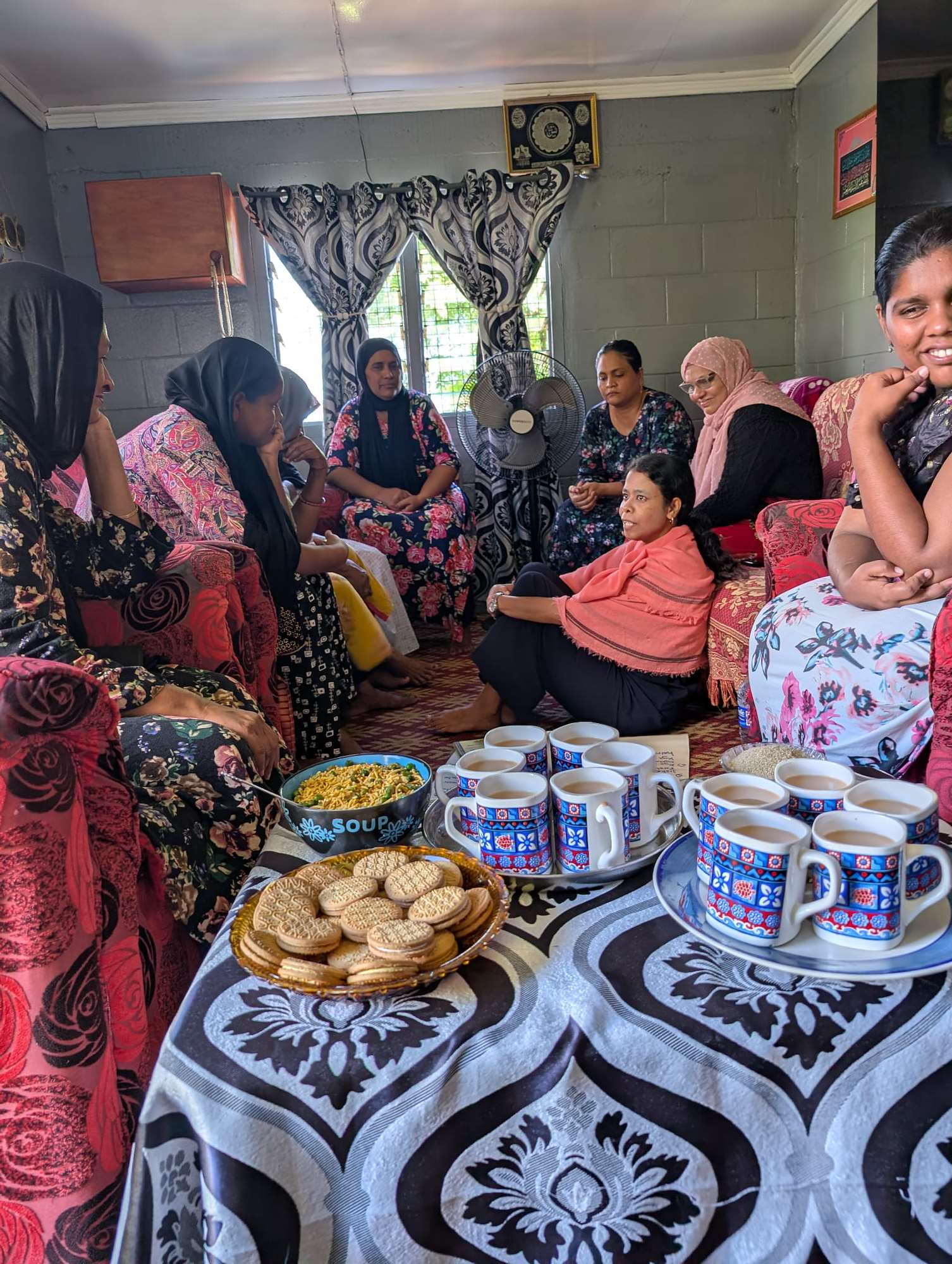
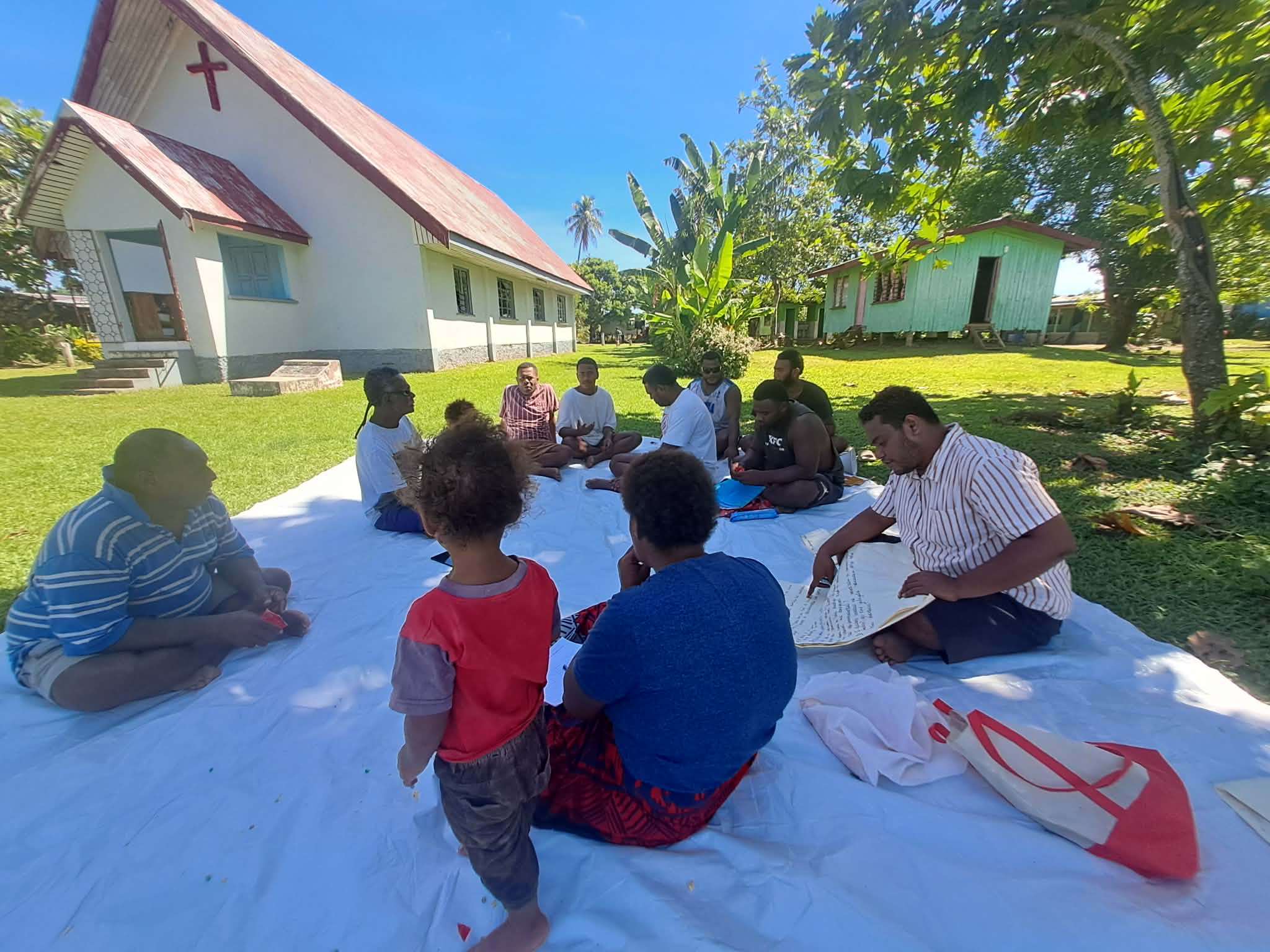
Laura left on 5 May, but I continued with interviews and FGDs. On 6 May, Josh joined me and we kept the momentum going. Josh left on Sunday, 10 May, and I pressed on with the remaining interviews and discussions.
Stakeholder consultations: sharing Project Halo’s plans
On 12 May, the Team Halo arrived, Dr. Isoa, Brad, Laura, Salote, and Jimmy and we held a stakeholder consultation with Raviravi landholders at the Raviravi police post from 7–9 pm. Ministry of Waterways engineers also joined us. The next day, 13 May, we held a daytime consultation at Votua Village, led by Dr. Isoa and Salote.
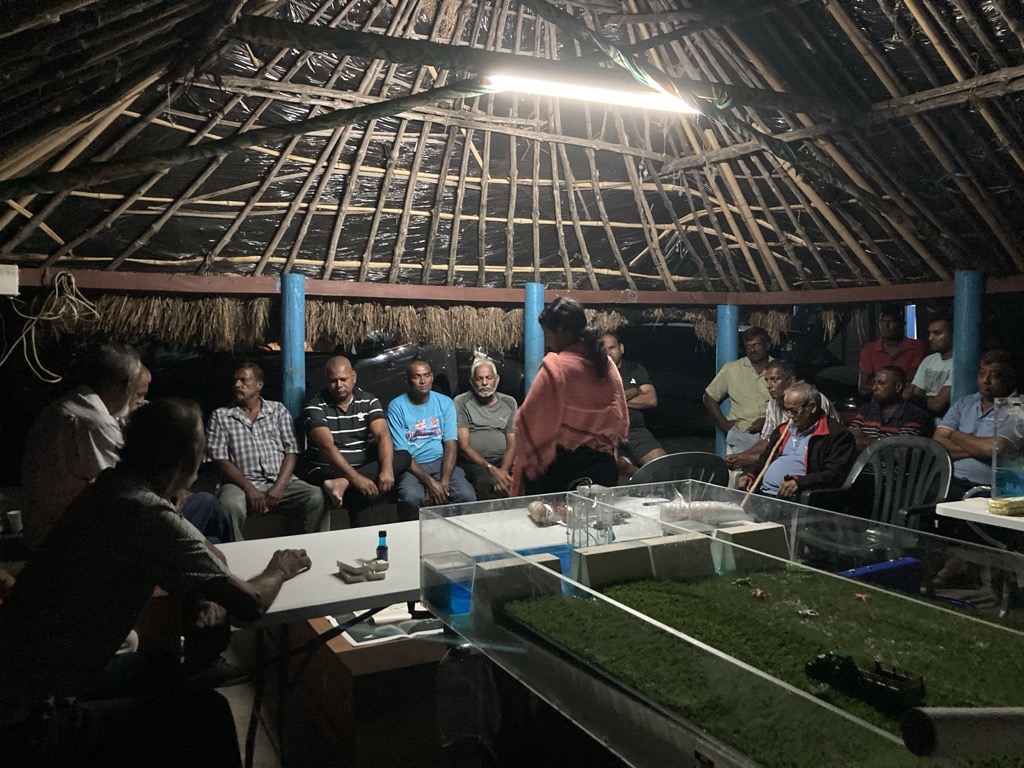
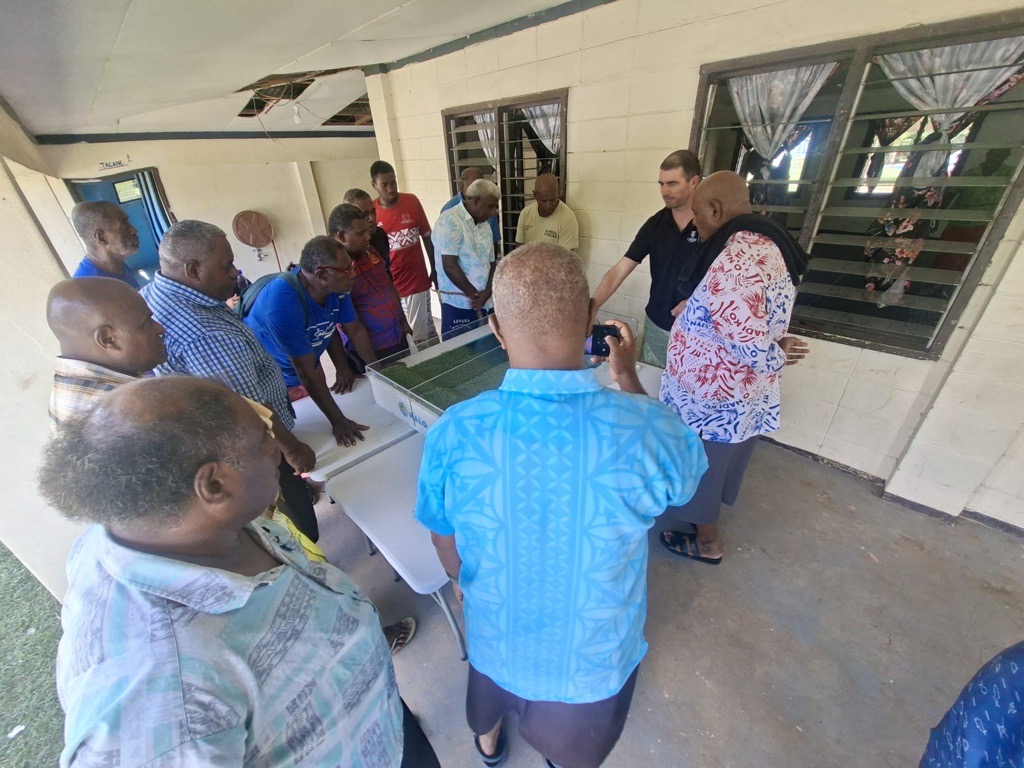
Both sessions were engaging and gave us a valuable opportunity to share what Project Halo is planning in Raviravi and nearby areas. For us, community engagement isn’t a box to tick, it’s central to how the project should work. We believe it’s essential to keep communities informed, listen to their priorities, and co-shape activities so they’re relevant and sustained.
What stood out (and why it matters)
- Protocol first: Presenting sevusevu at Natutu and Votua set the tone. It opened doors, built trust, and positioned us as guests rather than outsiders.
- Local knowledge is gold: Moveen Ali’s tractor tour and stories about saltwater intrusion brought the data to life. It’s one thing to read about declining cane yields; it’s another to hear how families adapt year after year.
- People on the move: Migration and weak local knowledge of some farm-holders made it hard to locate everyone on our list. We adapted by leaning on community guides, revisiting households, and being flexible with timing.
- Teamwork across distance: Splitting the team between Raviravi and Votua/Natutu helped us cover more households quickly, while still maintaining quality and respect in each village.
- Momentum through people: The farmer-fisher who became our “great helper” shows how a single supportive participant can accelerate an entire field campaign.
What’s next
After the consultations, I wrapped up the remaining interviews and began planning the next site: Rakiraki- Togovere and Nanuku. The pace was intense, but the welcome we received, the openness of farmers and fishers, and the chance to share Project Halo’s vision with landholders made it deeply rewarding.
If you are working in coastal communities, here is the takeaway I am carrying forward: invest time in relationships, follow local protocols, and let community voices shape the plan. That’s how fieldwork becomes partnership, and how projects like Halo can deliver real, lasting value.
A humble thank you
I would like to humbly thank Mr. Moveen Ali, without his guidance, local knowledge, and generosity, for making my research journey easie. I am also deeply grateful to the Turaga ni Koro of Votua and Natutu, whose support and welcome were invaluable to our data collection and focus group discussions. A big Vinaka Vakalevu to everyone who opened their homes, shared their time, and helped make this fieldwork a success.