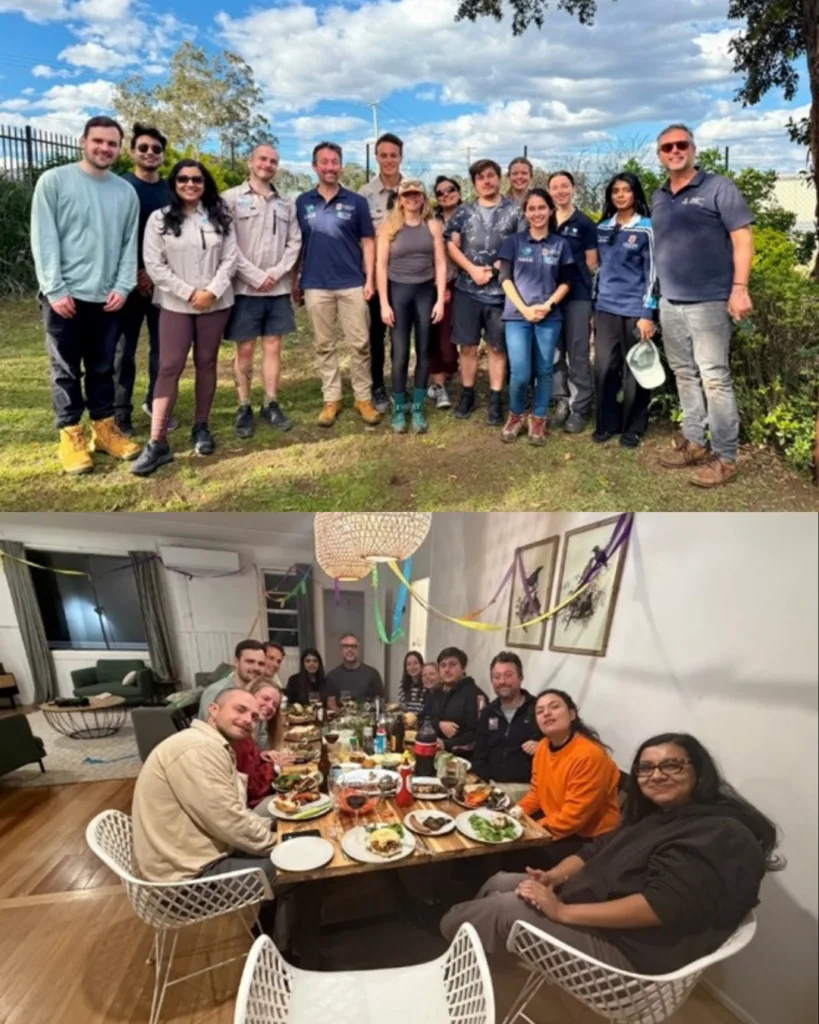
In July 2026, the Halo team at UNSW headed up to Tomago, NSW, to collect soil cores for a mesocosm experiment—a key milestone in my PhD research!
My research investigates the greenhouse gas (GHG) flux variability due to tidal/freshwater restoration in degraded farmlands. As a part of this, mesocosm experiments will assess the impact of varying salinity, inundation duration, and inundation level on GHG fluxes together with biogeochemical properties of soil, including microbial community composition.
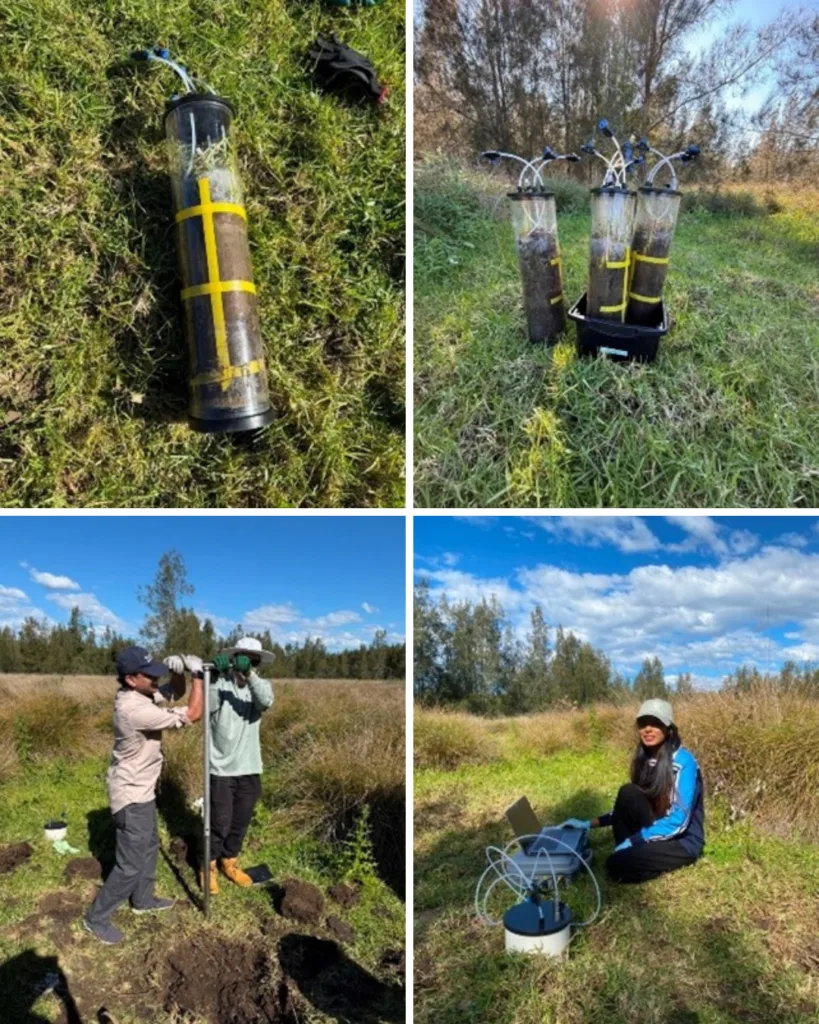
Our team departed on Tuesday 28th July to visit the site in Tomago, and we explored the restored wetlands and degraded farmlands at the Hunter Wetlands National Park. The main fieldwork took place on the next day, 29th July. Working in small teams of two to three across the degraded farmland site, we successfully collected a total of 10 soil cores.
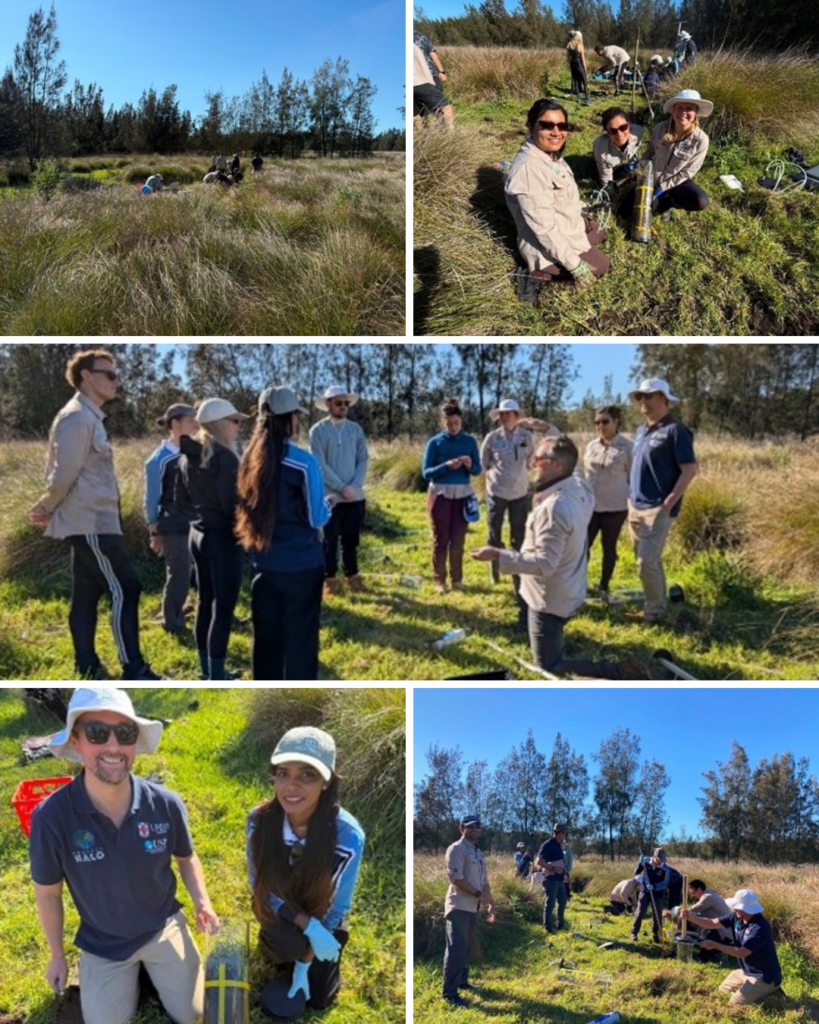
At each core location, additional soil samples were collected to analyse organic carbon content and microbial community composition. Moreover, I measured carbon dioxide and methane fluxes from the farmland site by static chamber method using a LICOR LI-7810 trace gas analyser. Furthermore, the elevation data captured at the sites highlighted that years of drainage have caused the degraded farmlands to subside, leaving them more than 0.3 meters lower than the adjacent mangrove land.
This field trip marked a critical milestone in my PhD journey; a huge thank you to everyone in the team who pitched in to make this field trip both a success and a memorable experience!